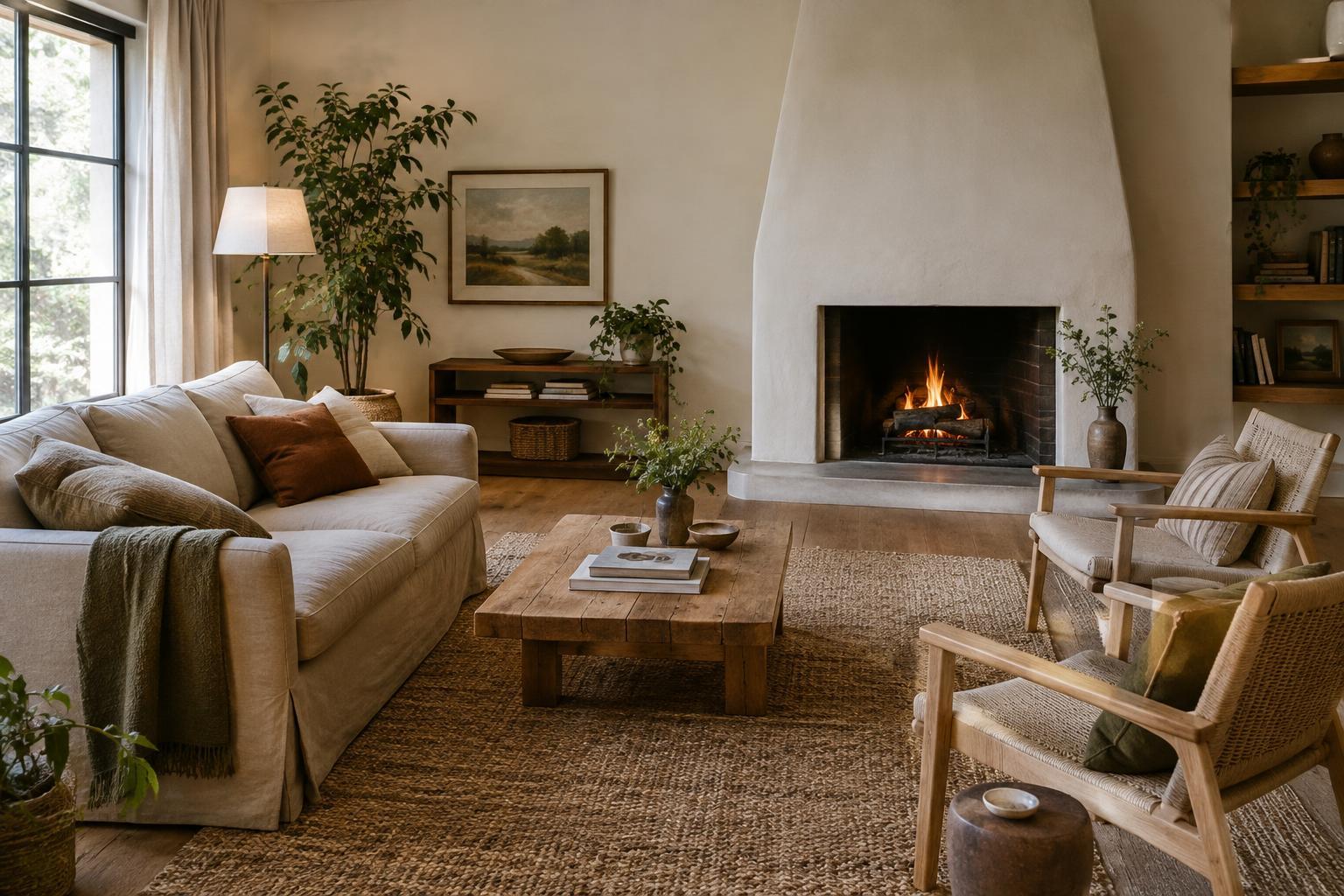
Room LayoutsAn off-center fireplace does not have to dictate an awkward furniture layout. Start with the room’s daily activities, give the hearth a clear setting, and use furniture, lighting and plants to make an asymmetrical arrangement feel intentional.
Read article · 4 min↗
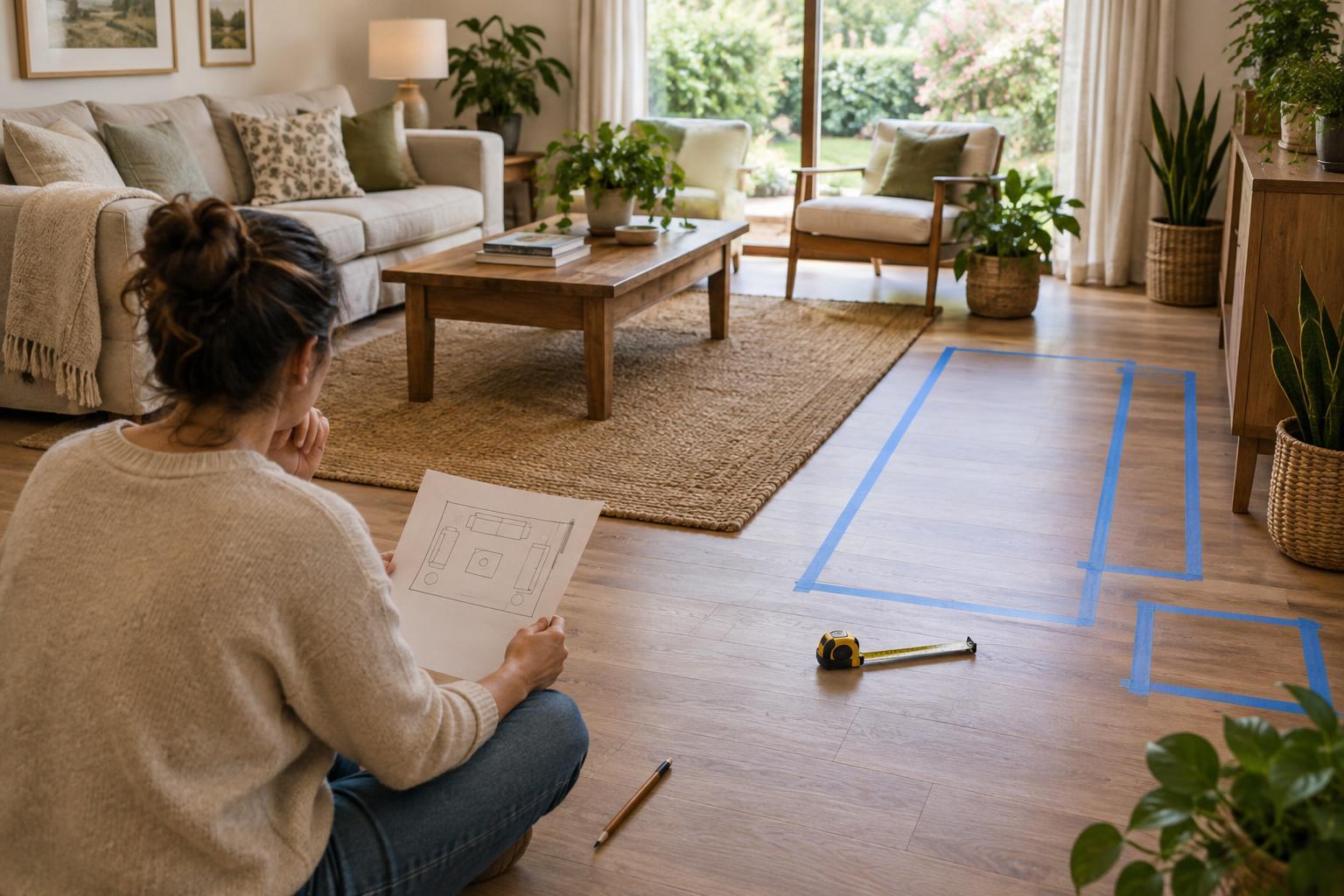
Room LayoutsA better room layout does not have to begin with dragging a sofa across the floor. Use a quick sketch, simple measurements and temporary floor markers to check how a new arrangement will look and work before moving anything heavy.
Read article · 4 min↗
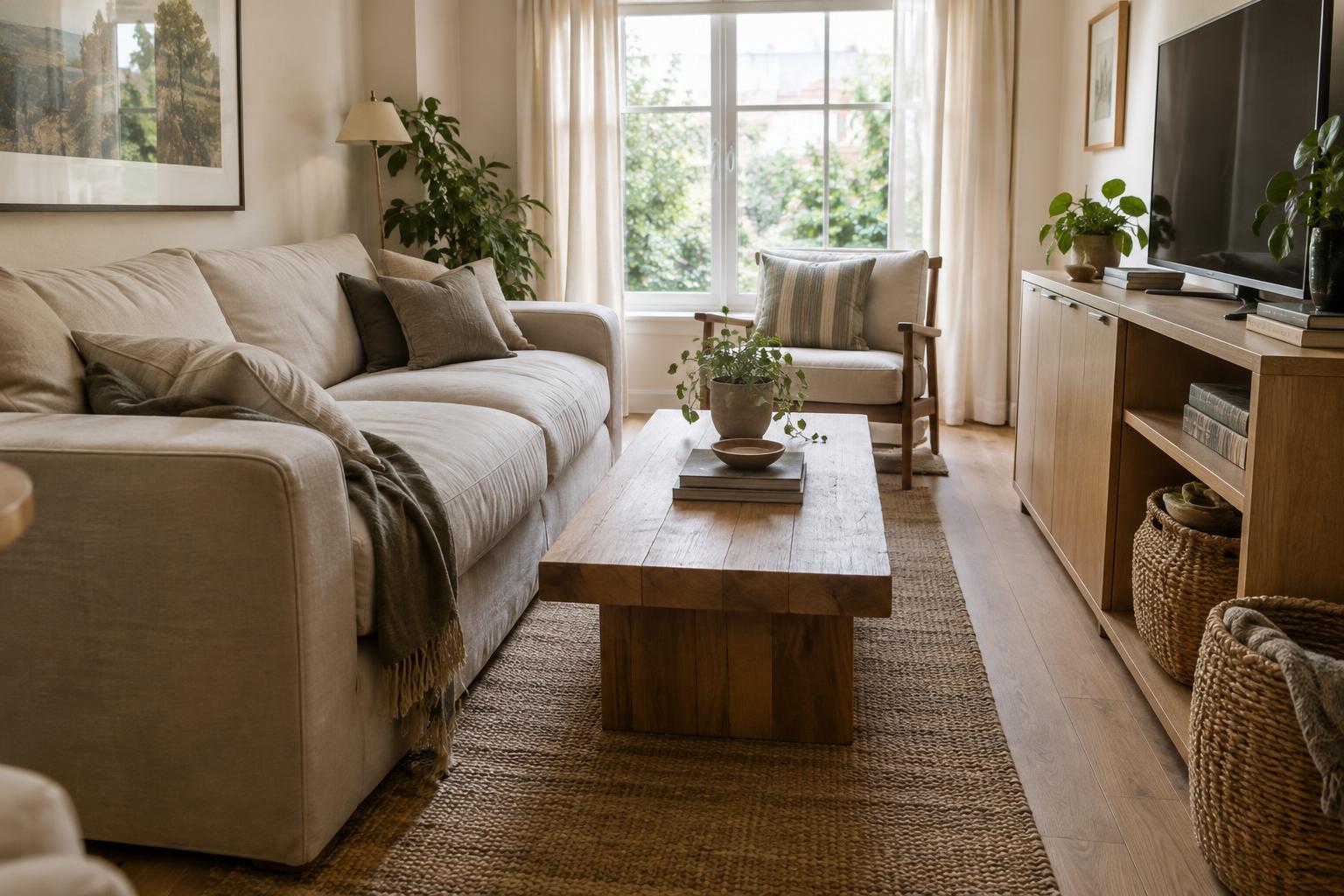
Room LayoutsA room can feel crowded even when it contains only a few pieces of furniture. Learn how to spot layout problems—from blocked walkways to poorly placed storage—and make more breathing room without giving up comfort.
Read article · 4 min↗
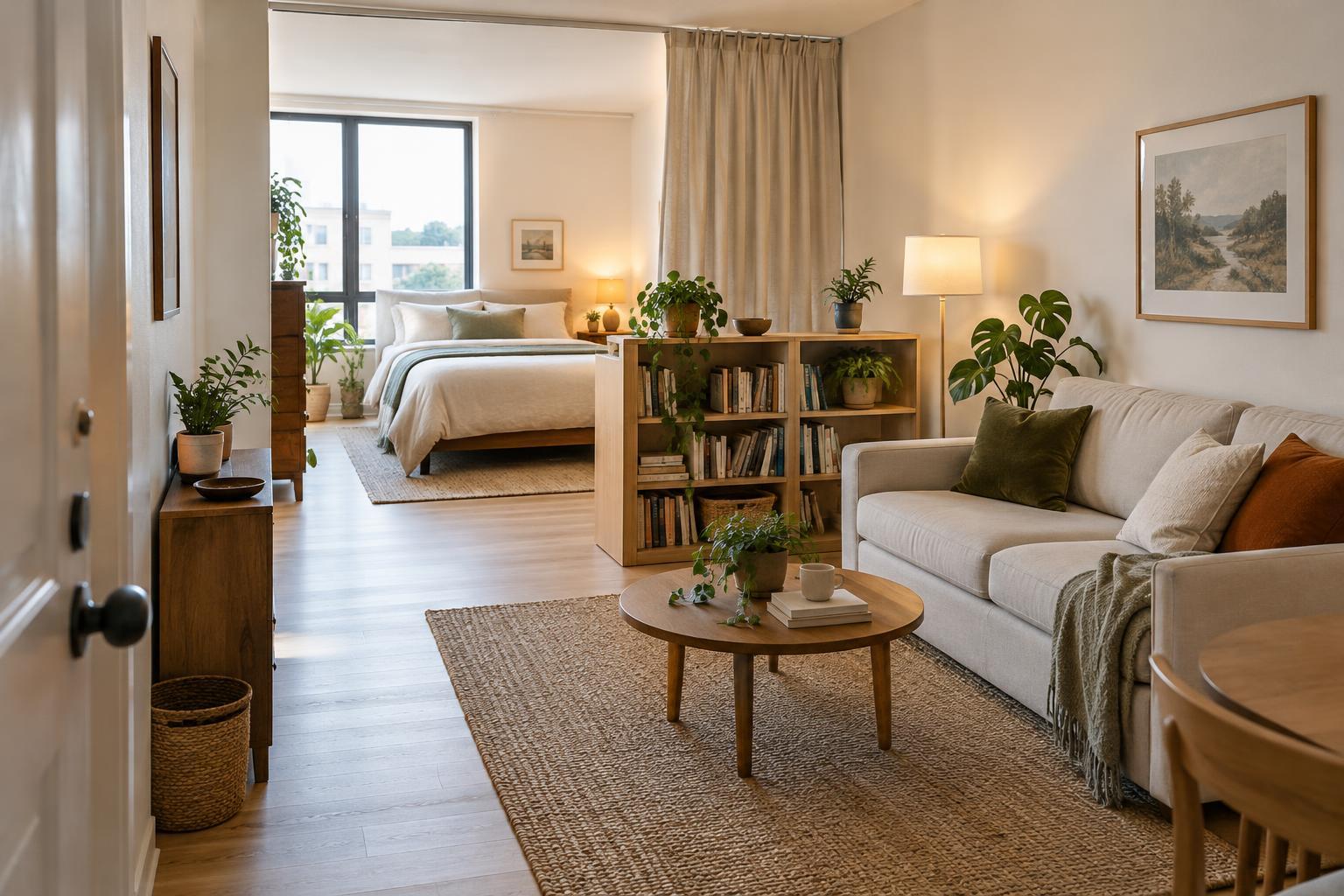
Room LayoutsA studio can feel like more than one room without adding walls. Use furniture placement, clear walking paths, lighting and flexible dividers to give sleep and daily life their own space.
Read article · 4 min↗
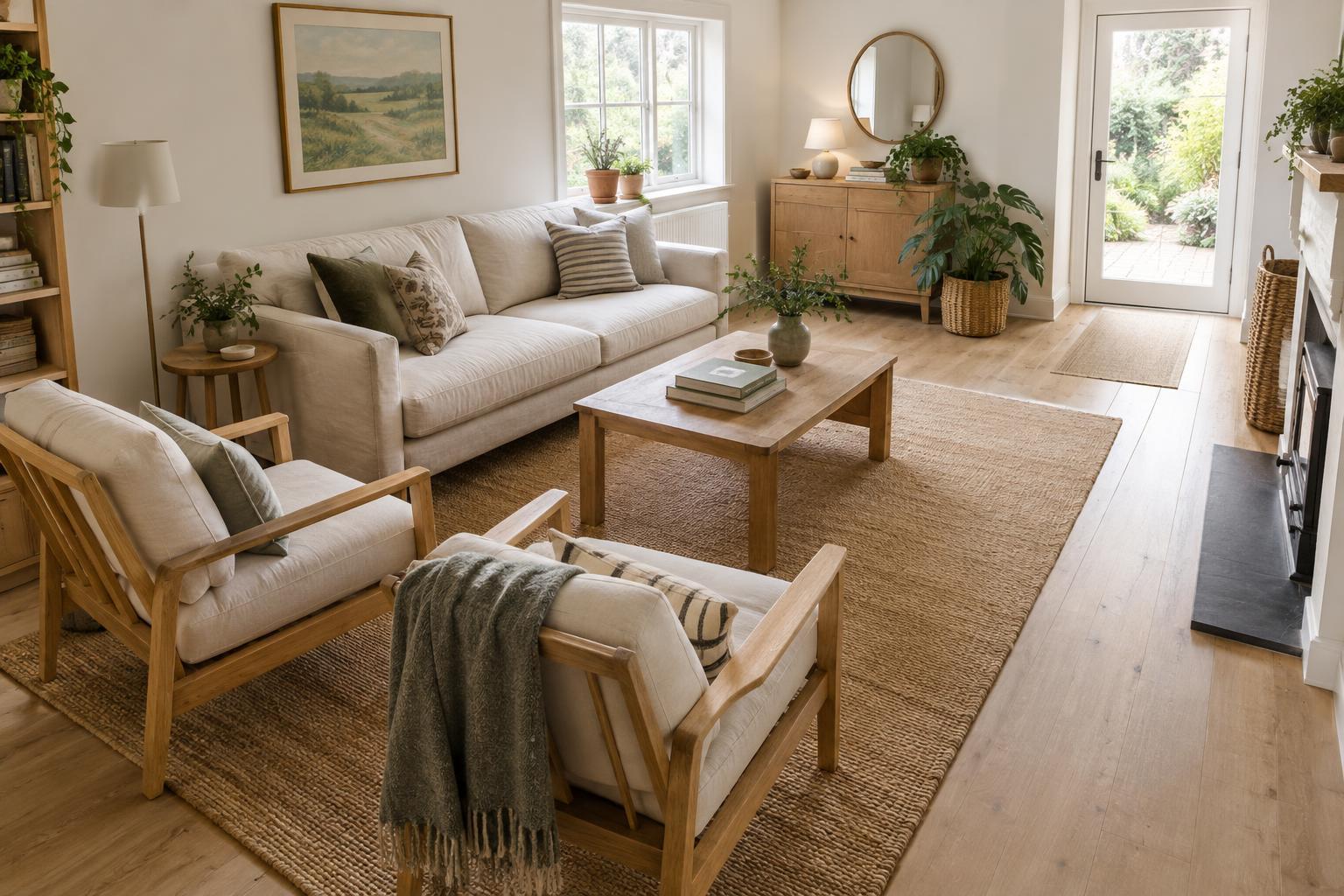
Room LayoutsA rug can make a seating area feel settled, but only if it relates clearly to the furniture around it. Learn how to choose a size, position the edges and leave comfortable paths through the room.
Read article · 4 min↗
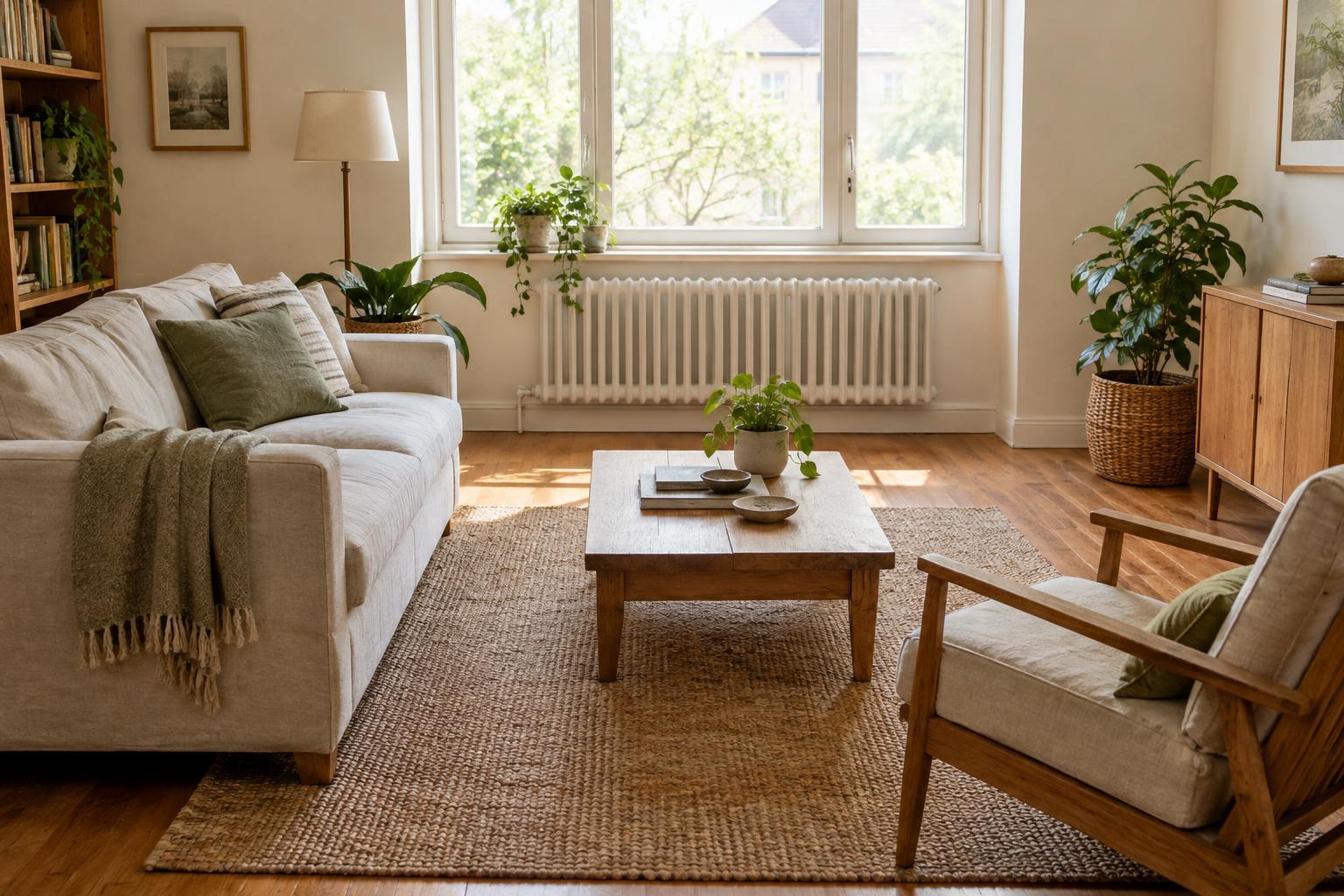
Room LayoutsA radiator or heating vent can make a room feel harder to furnish, but it does not have to dictate the whole layout. Start by identifying where heat needs to move, then place larger pieces to keep air circulating, protect furniture and plants, and make the room comfortable to use.
Read article · 4 min↗
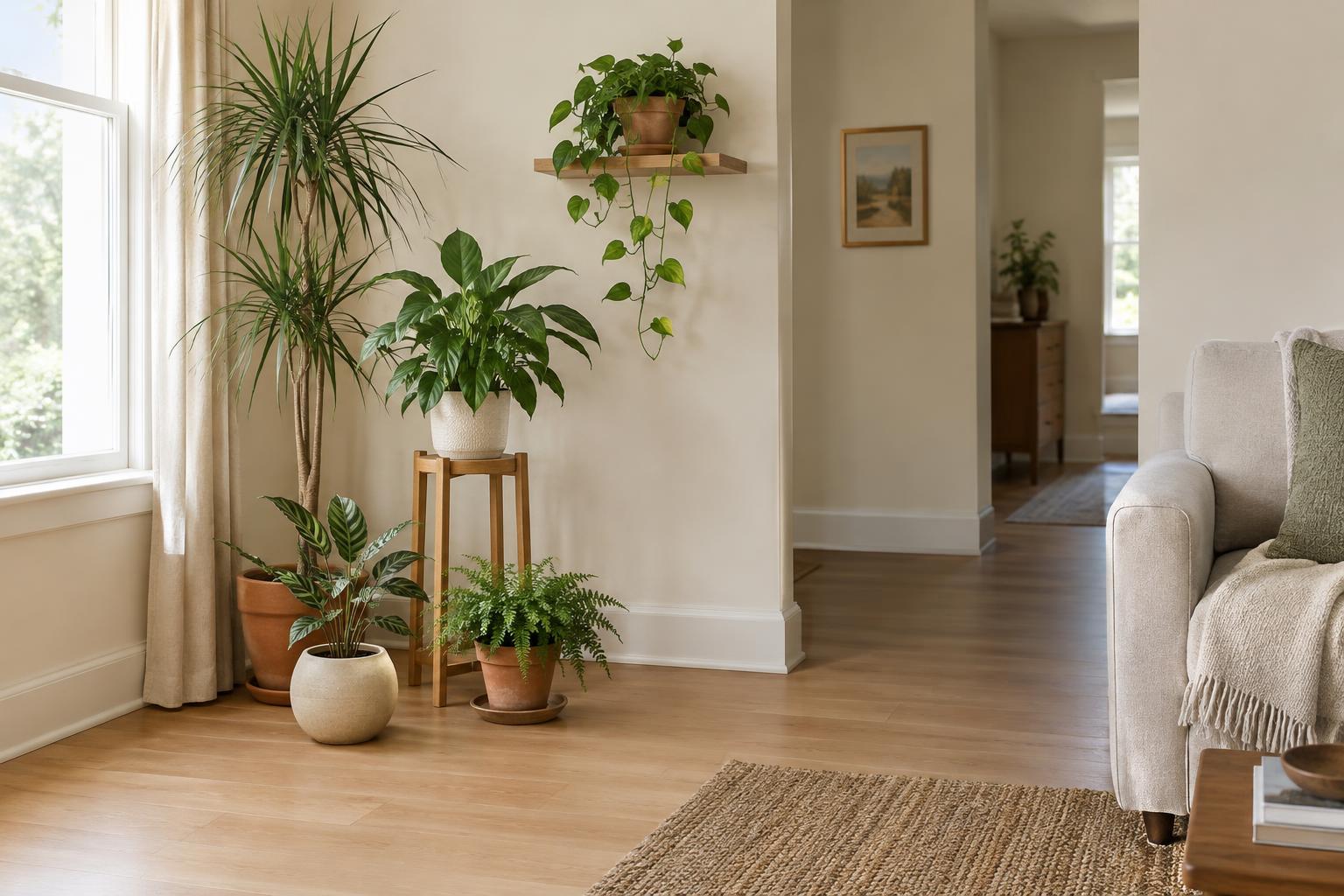
Room LayoutsA layered plant display can make a room feel greener without taking over the floor. Learn how to choose a footprint, vary heights, protect clear pathways and give every plant room to grow.
Read article · 4 min↗
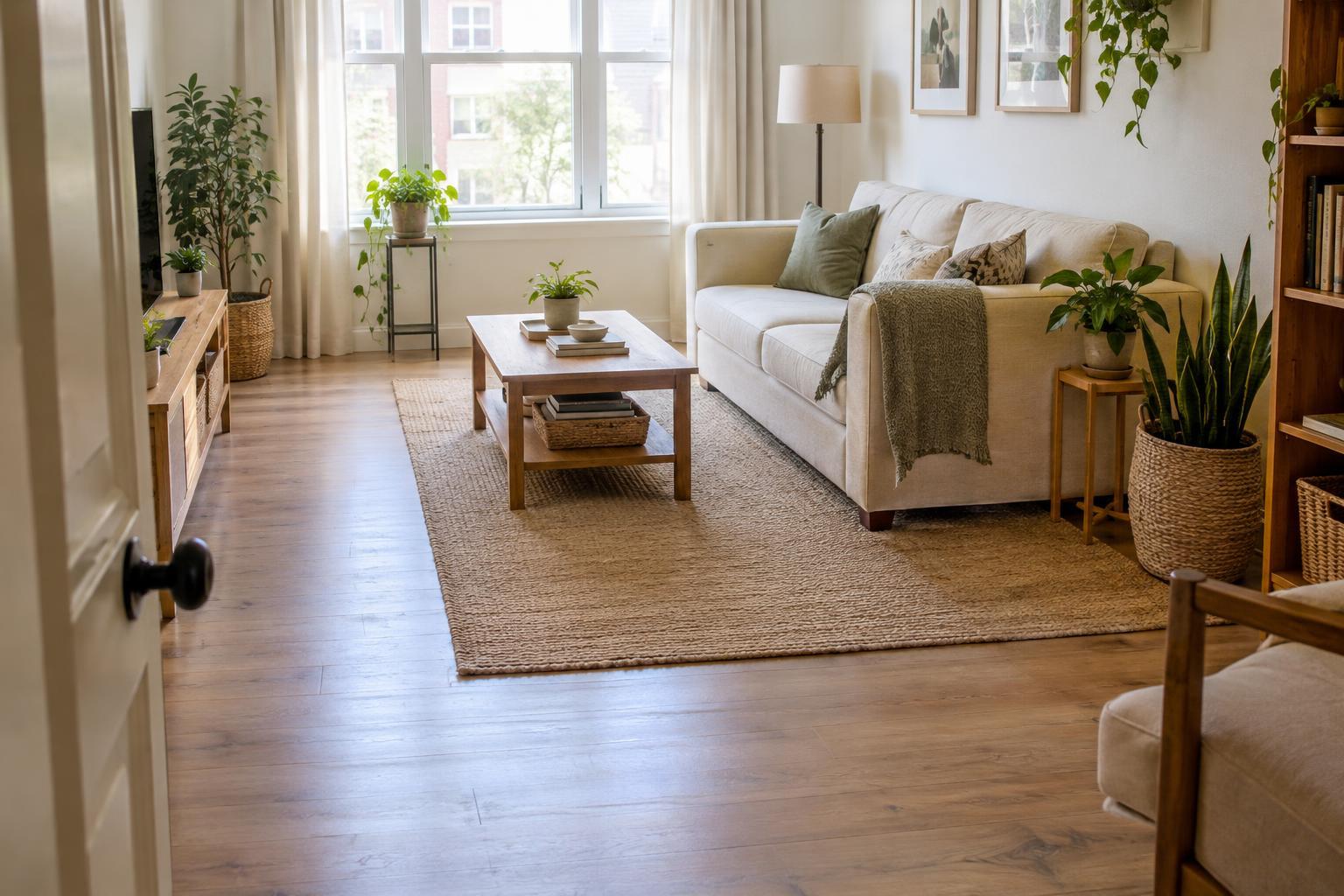
Room LayoutsPlant stands can bring greenery into a room without claiming a walkway. Learn how to spot useful locations, choose the right stand size, and test a layout against the way you actually move at home.
Read article · 4 min↗
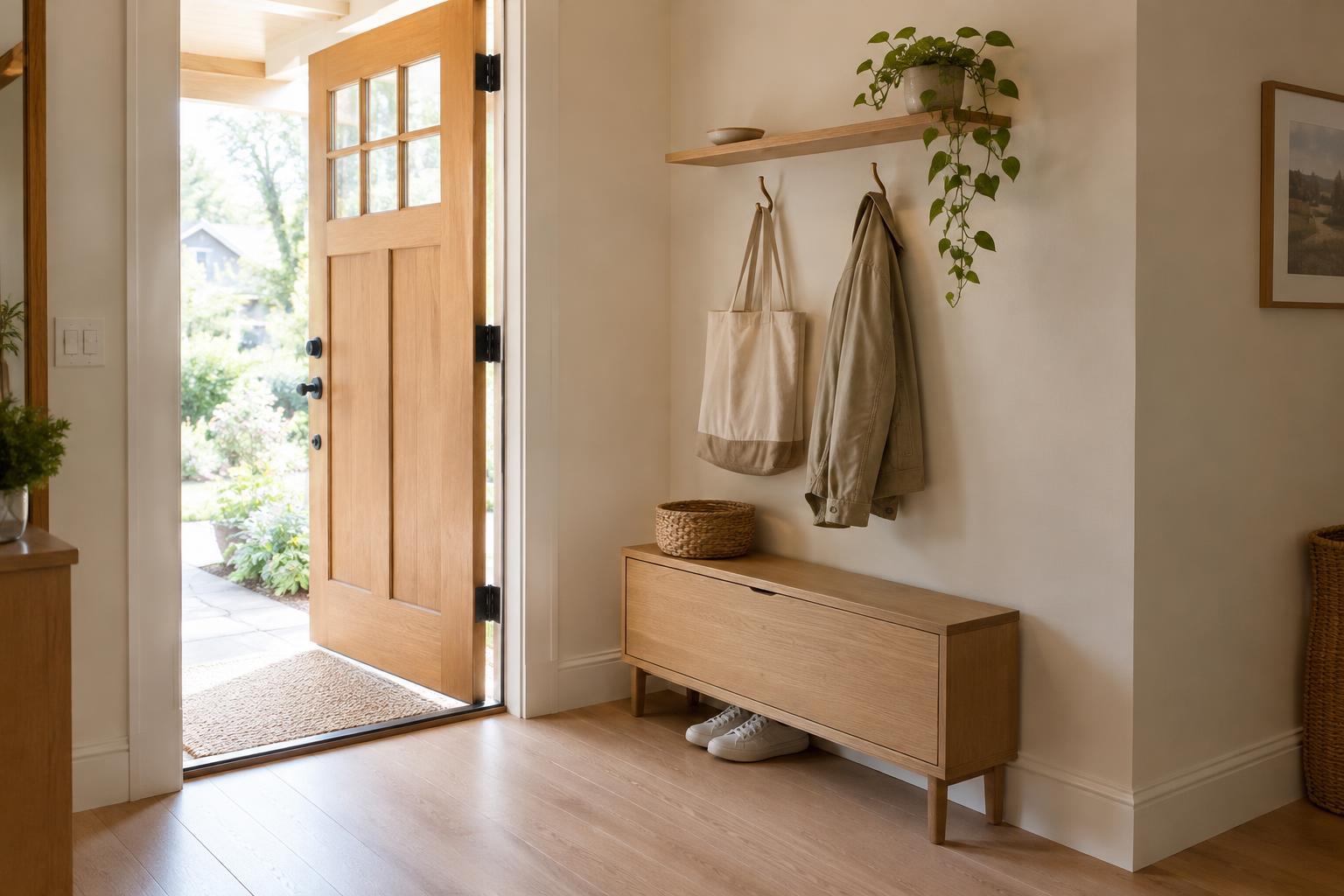
Room LayoutsA useful entryway needs a place for keys, shoes and everyday bags, but it also needs room to move. Plan a compact drop zone around the door swing and your daily habits, then use shallow storage and natural textures to keep the space calm.
Read article · 4 min↗
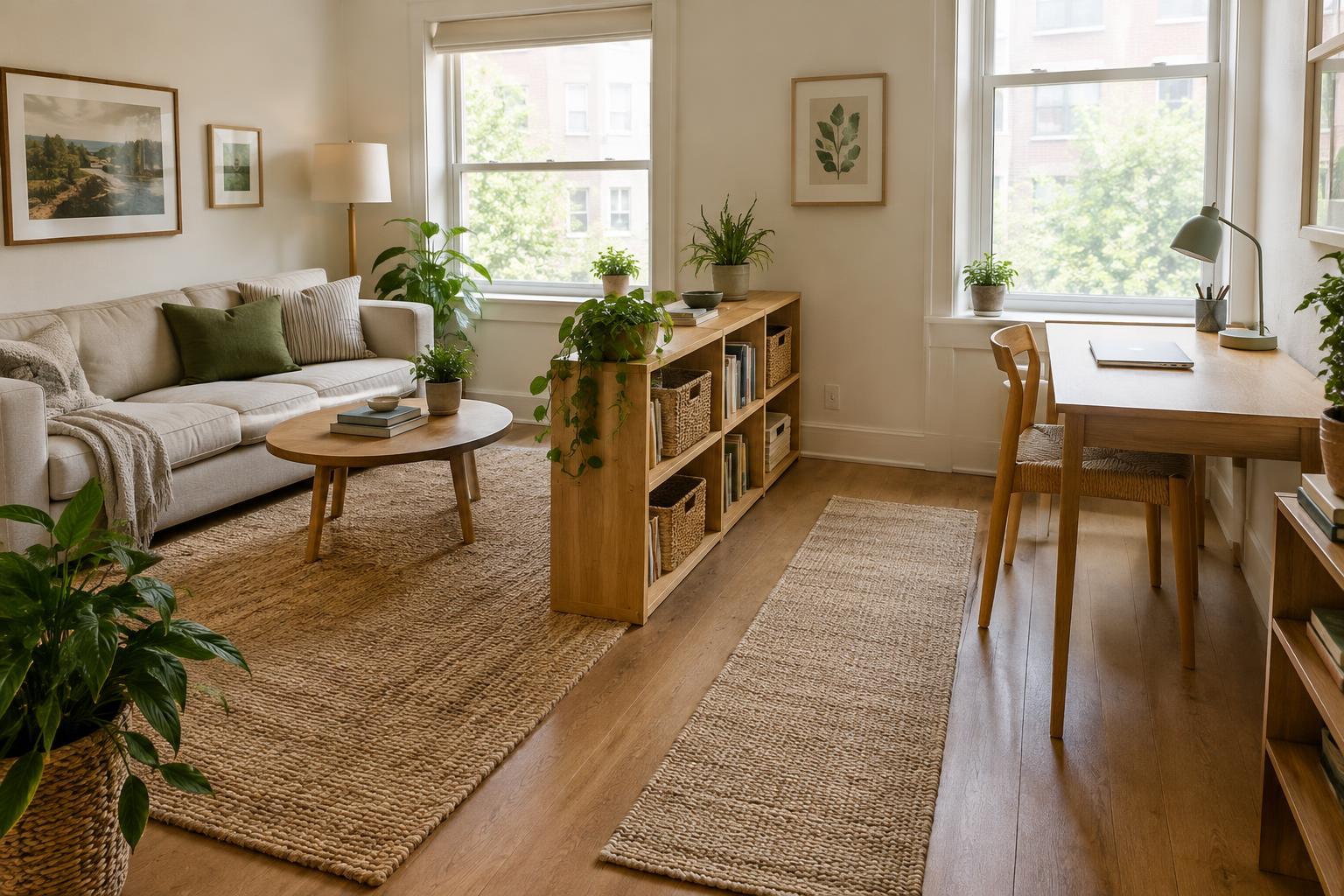
Room LayoutsA home office does not need a separate room. Give work a defined place, preserve easy paths through the room, and use flexible storage and lighting so the space still feels comfortable when the workday ends.
Read article · 4 min↗
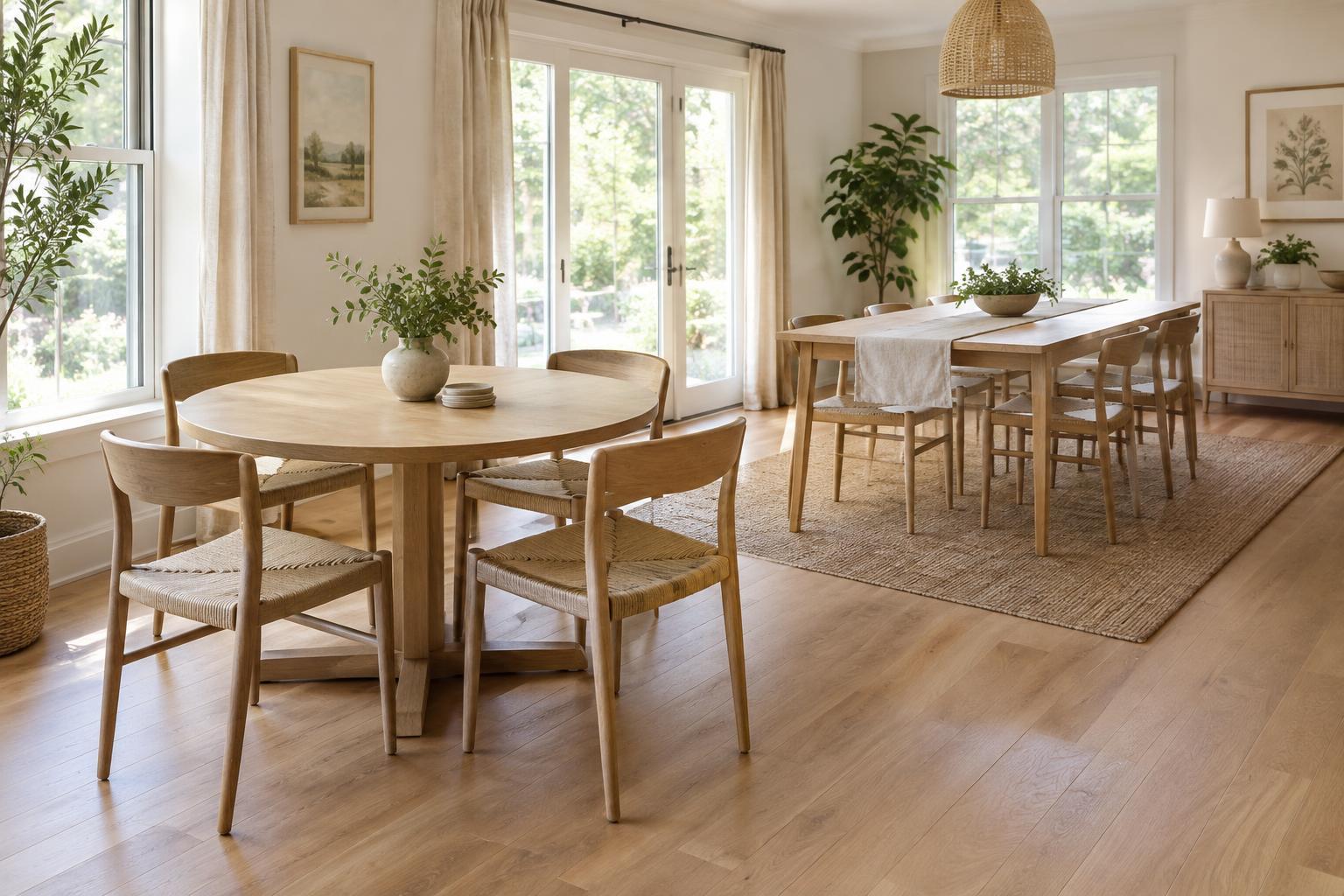
Room LayoutsThe best dining table shape depends on more than how many people it seats. Compare round and rectangular tables by measuring chair clearance, walking routes and the space you want for everyday life.
Read article · 4 min↗
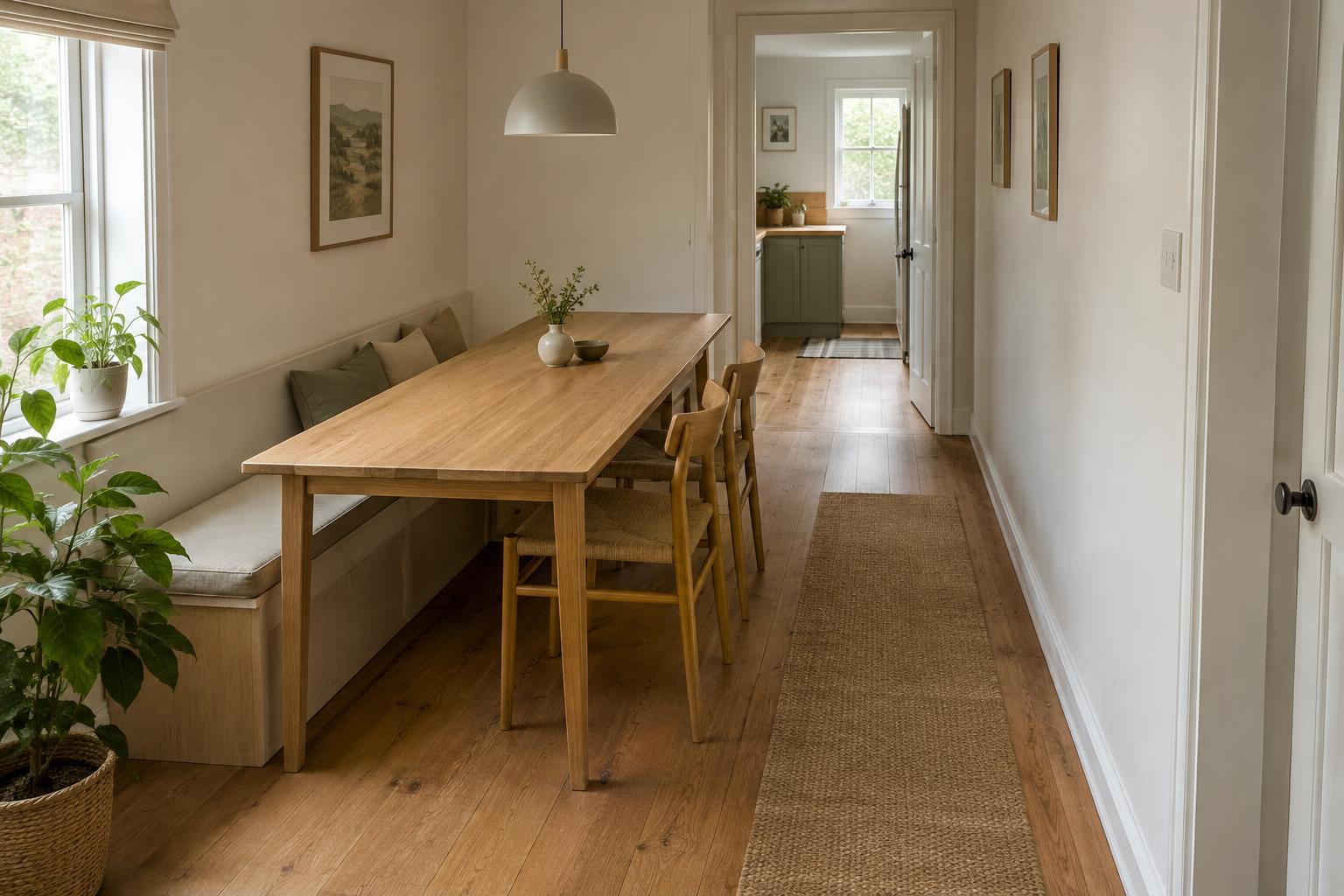
Room LayoutsA narrow room can still hold a comfortable place to eat. Start by mapping the route people use most, then choose a table shape, seating and storage that leave that route open.
Read article · 4 min↗
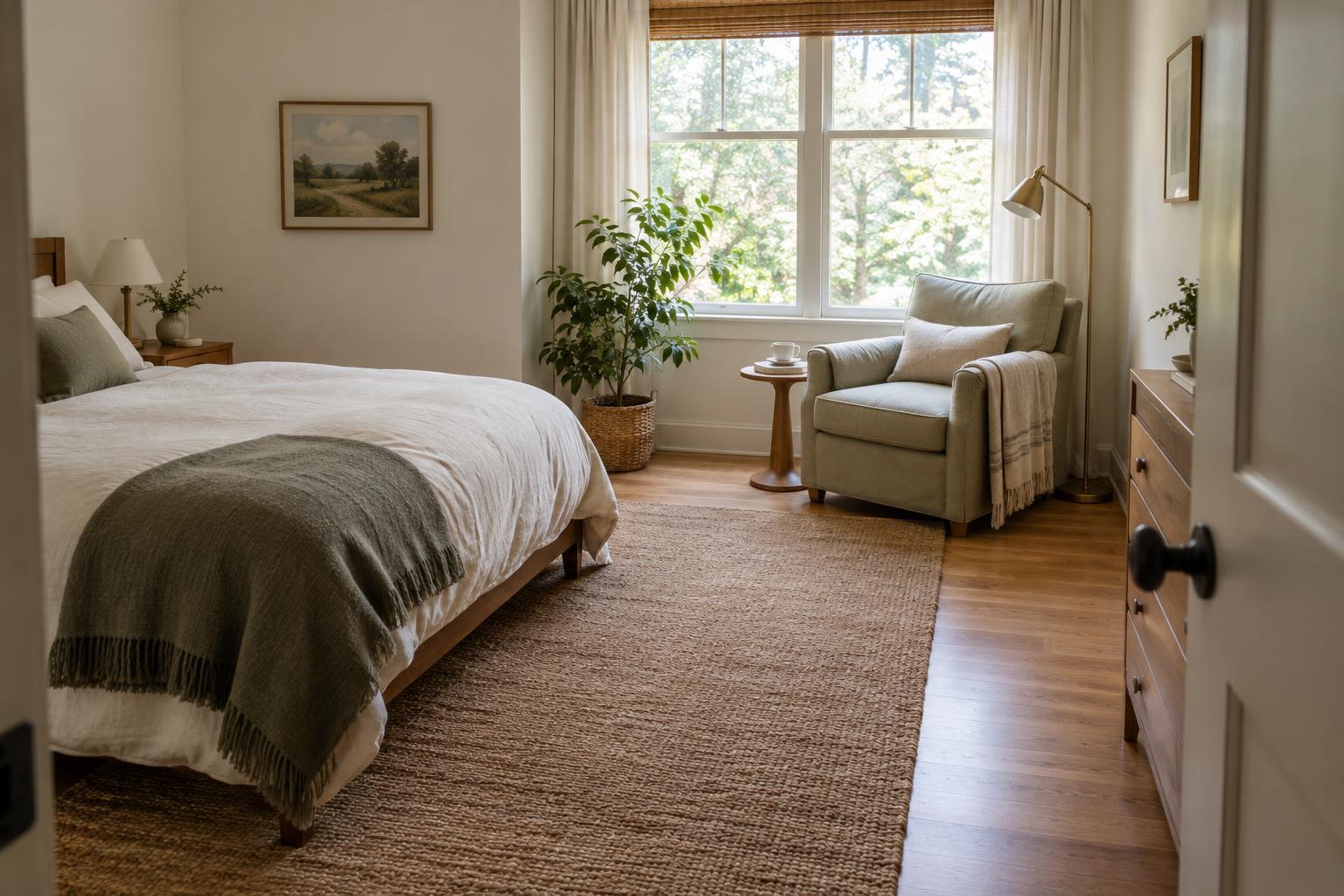
Room LayoutsA reading chair can turn an unused bedroom corner into a comfortable place to pause. Start with the routes you use every day, then choose a chair and light that fit the space without crowding the bed.
Read article · 4 min↗
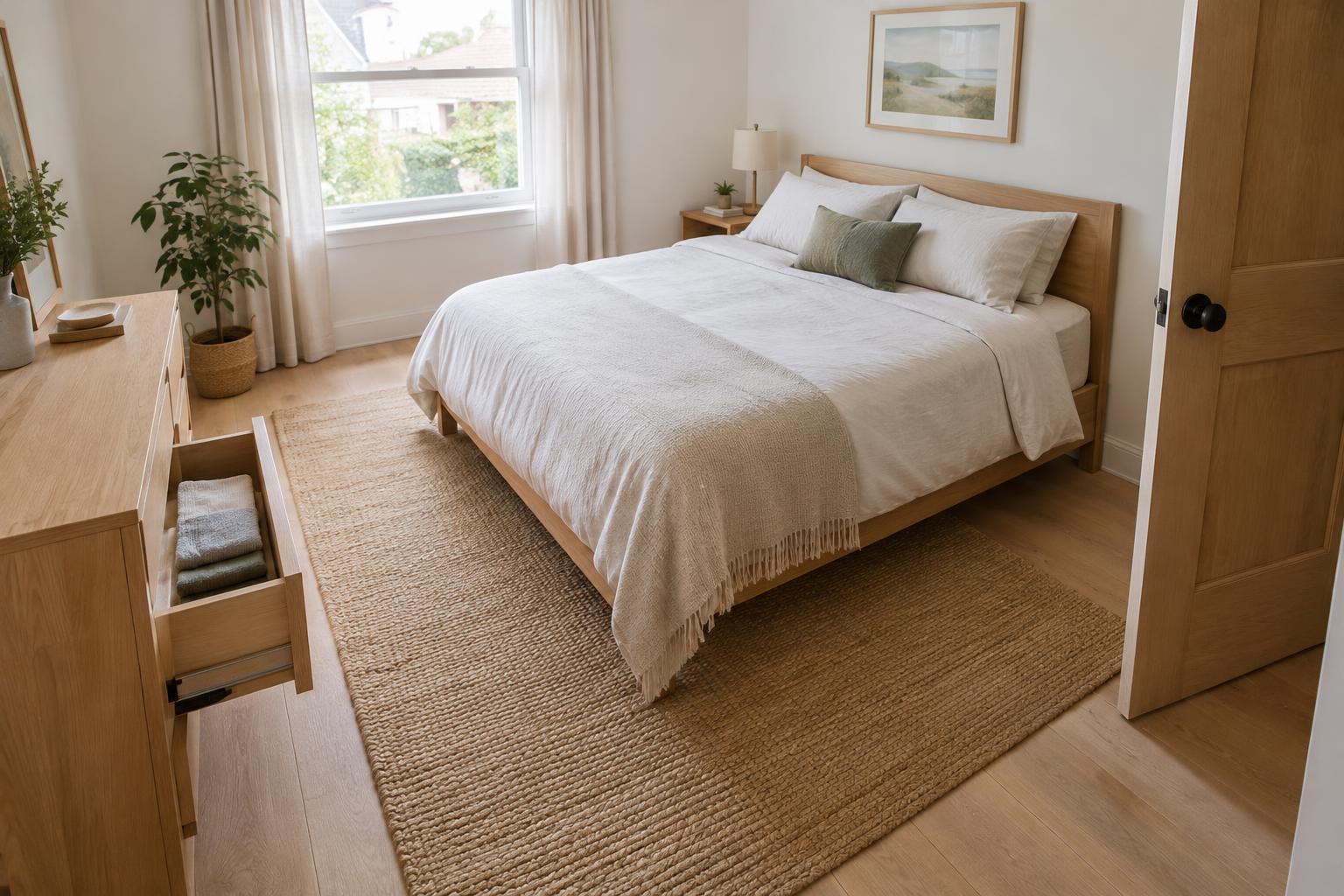
Room LayoutsA bedroom can feel crowded even when its furniture fits. Plan around the space doors and drawers need to open, then protect a comfortable route to the bed. These simple checks can help you find a layout that works in everyday life.
Read article · 4 min↗
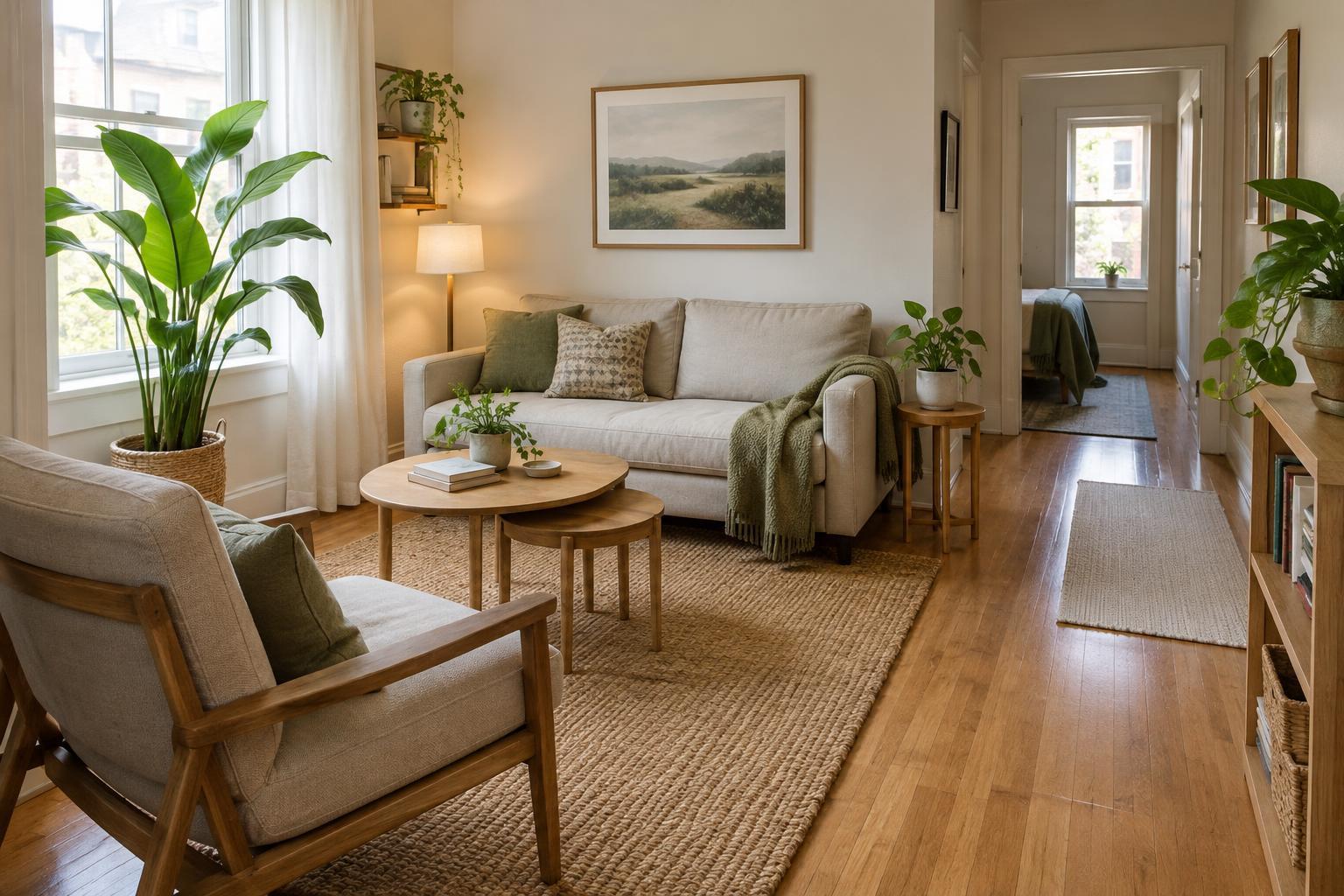
Room LayoutsA small living room can hold comfortable seating and greenery without feeling crowded. Start with a clear walking route, choose a seating arrangement that fits how you use the room, and give plants spots where light, care and everyday movement all work together.
Read article · 4 min↗
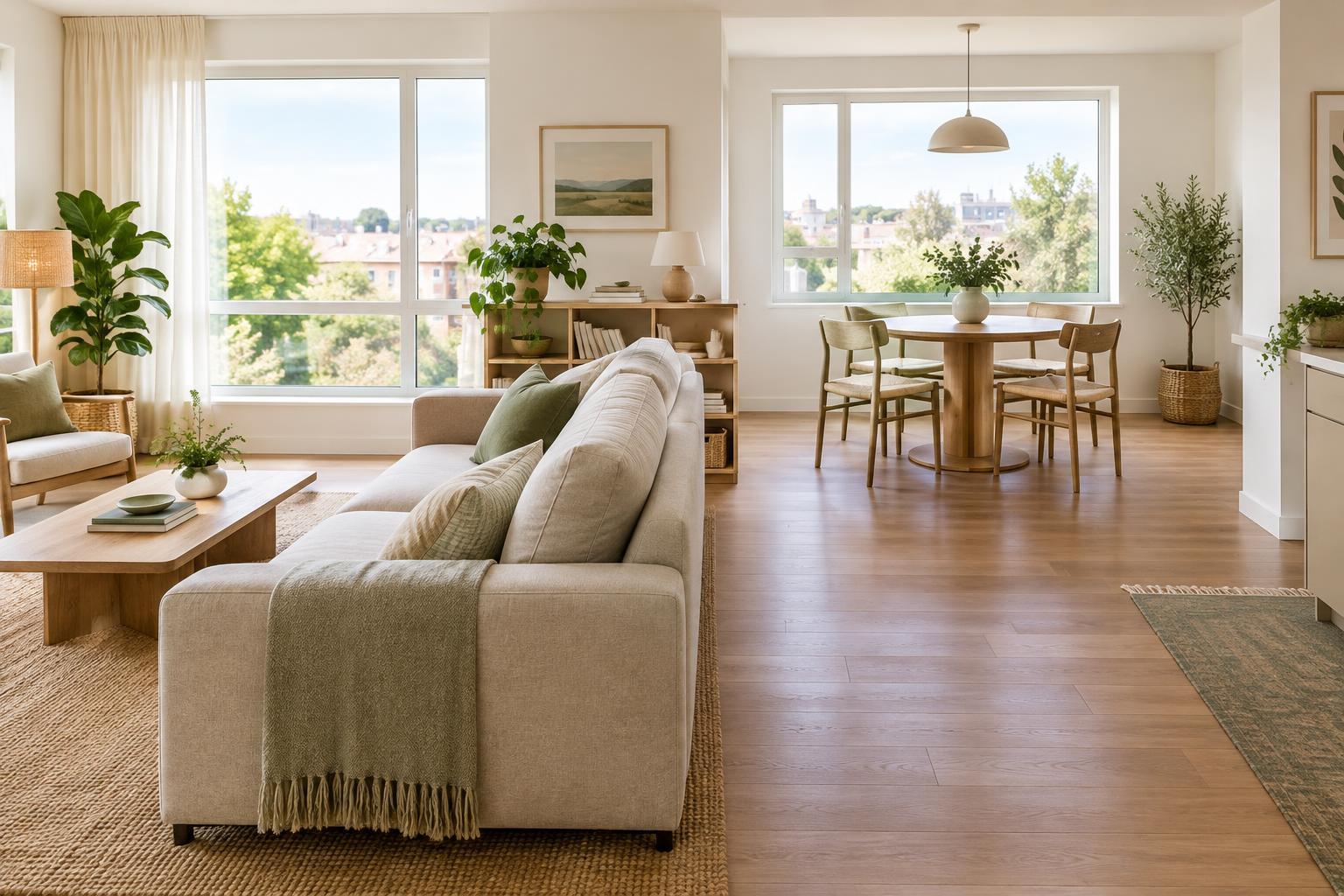
Room LayoutsAn open-plan room can feel connected without making every activity share the same space. Use furniture placement, rugs, lighting, plants and storage to give living and dining areas distinct purposes while keeping light and movement flowing.
Read article · 4 min↗
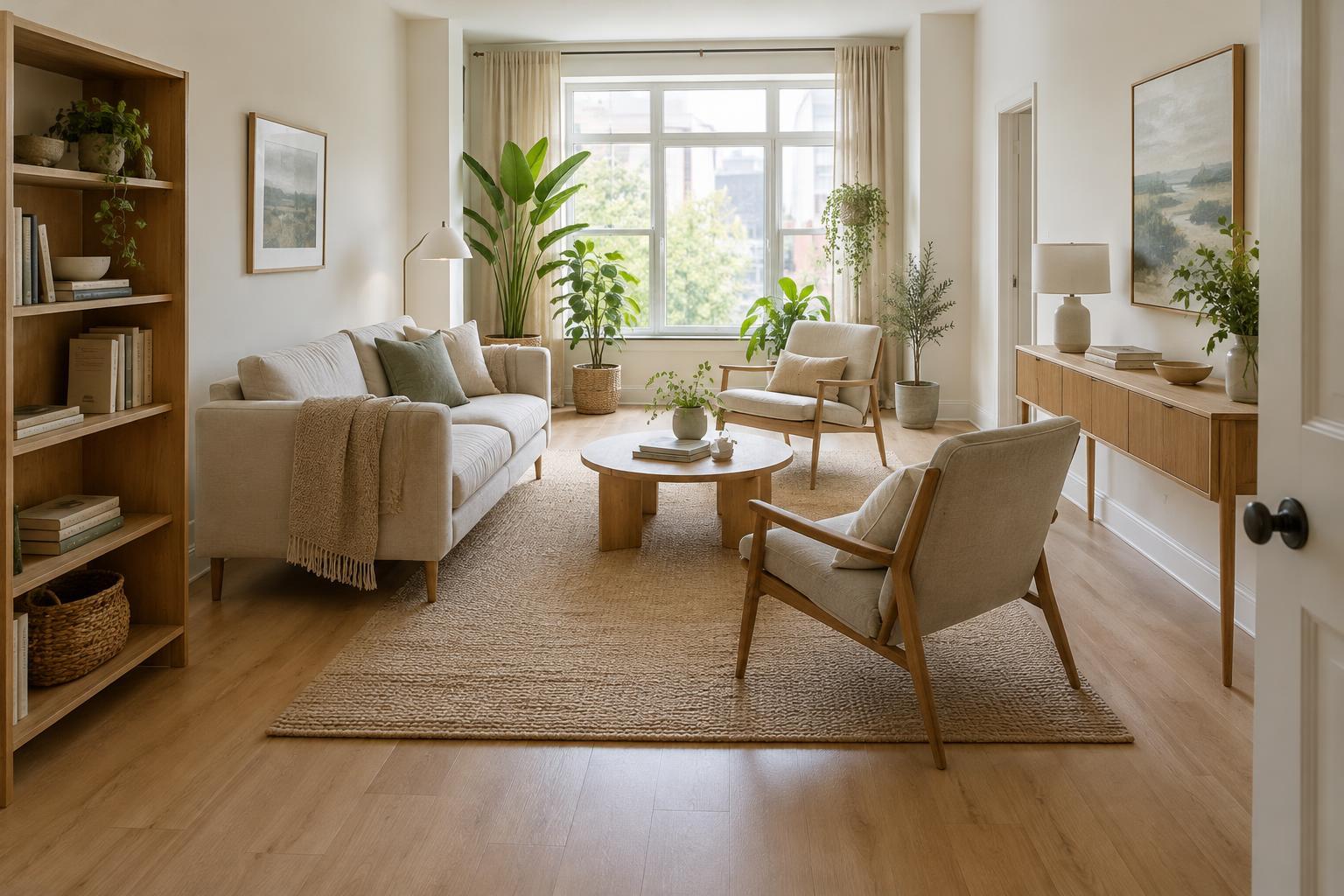
Room LayoutsPulling furniture into the room can create a welcoming conversation area, while placing it against walls can preserve precious floor space. The best choice depends on how you move through the room, what each area needs to do, and where light and greenery fit.
Read article · 4 min↗
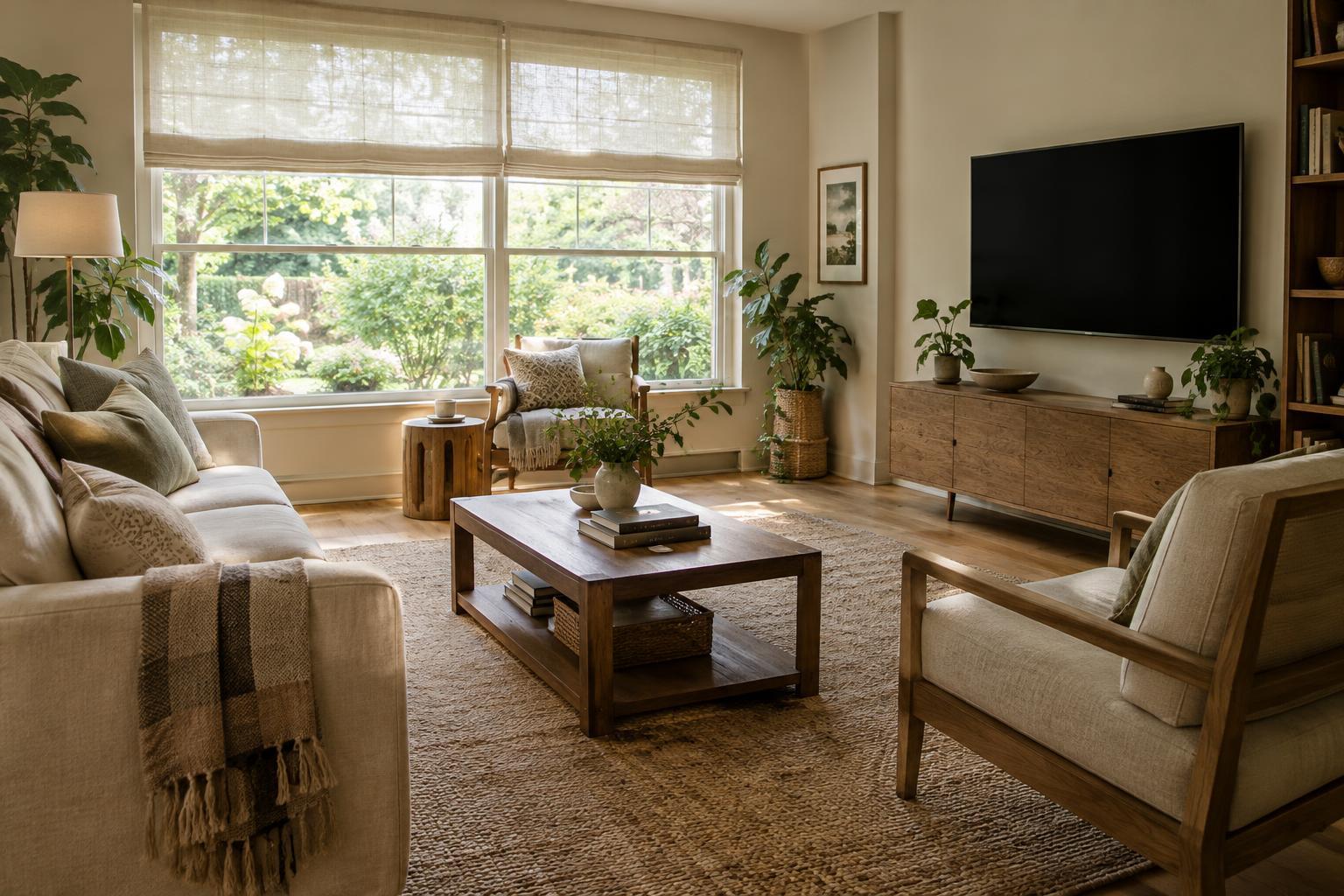
Room LayoutsA living room can make room for daylight, a comfortable view of the television, and an easy path through the space. Start with the window and your usual seats, then choose a television position, arrange furniture around both focal points, and handle glare without shutting out the outdoors.
Read article · 4 min↗
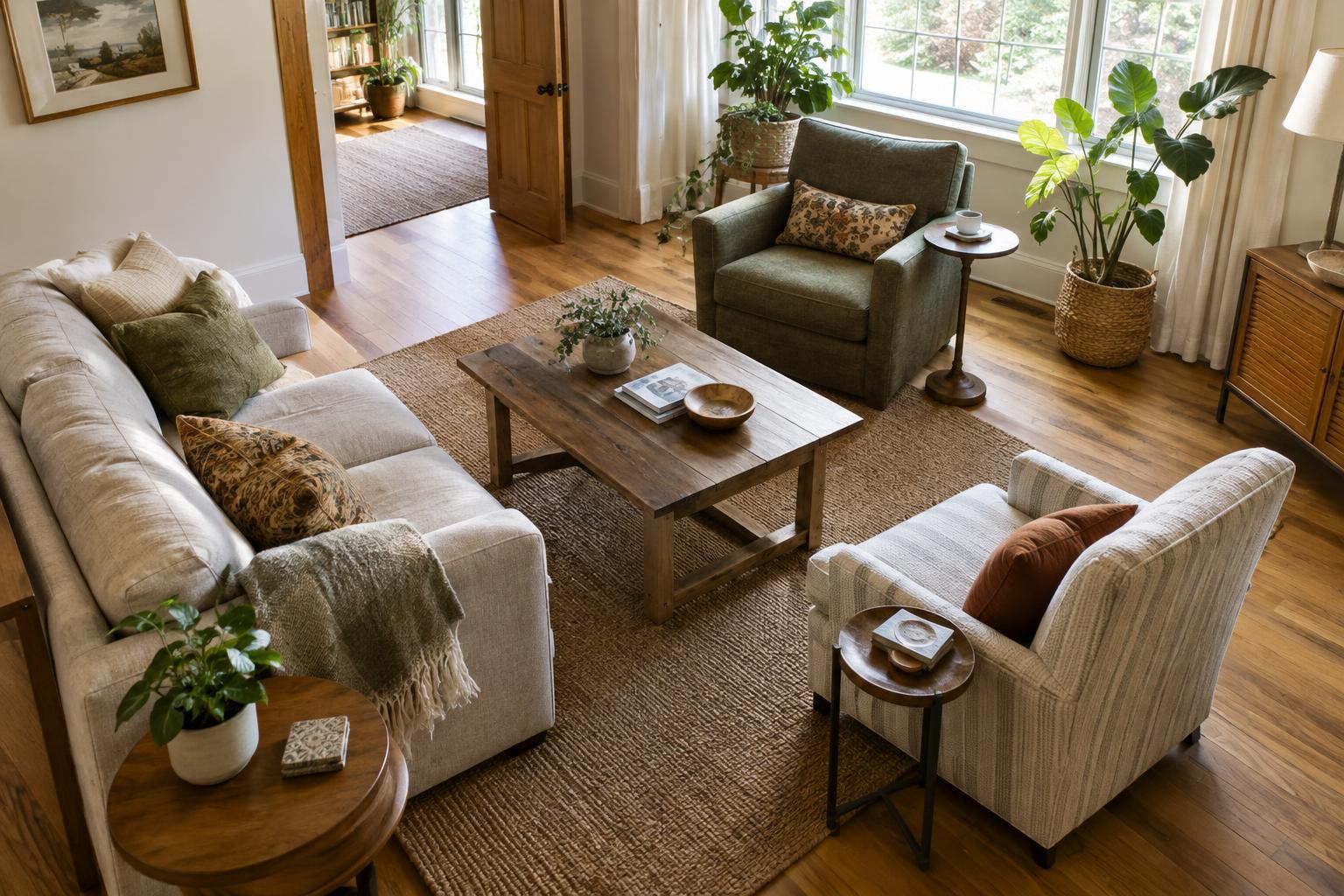
Room LayoutsA comfortable conversation area starts with seating that faces inward without blocking the room. Learn how to place a sofa and chairs around a focal point, leave clear paths, and adapt the arrangement to small or open-plan spaces.
Read article · 4 min↗
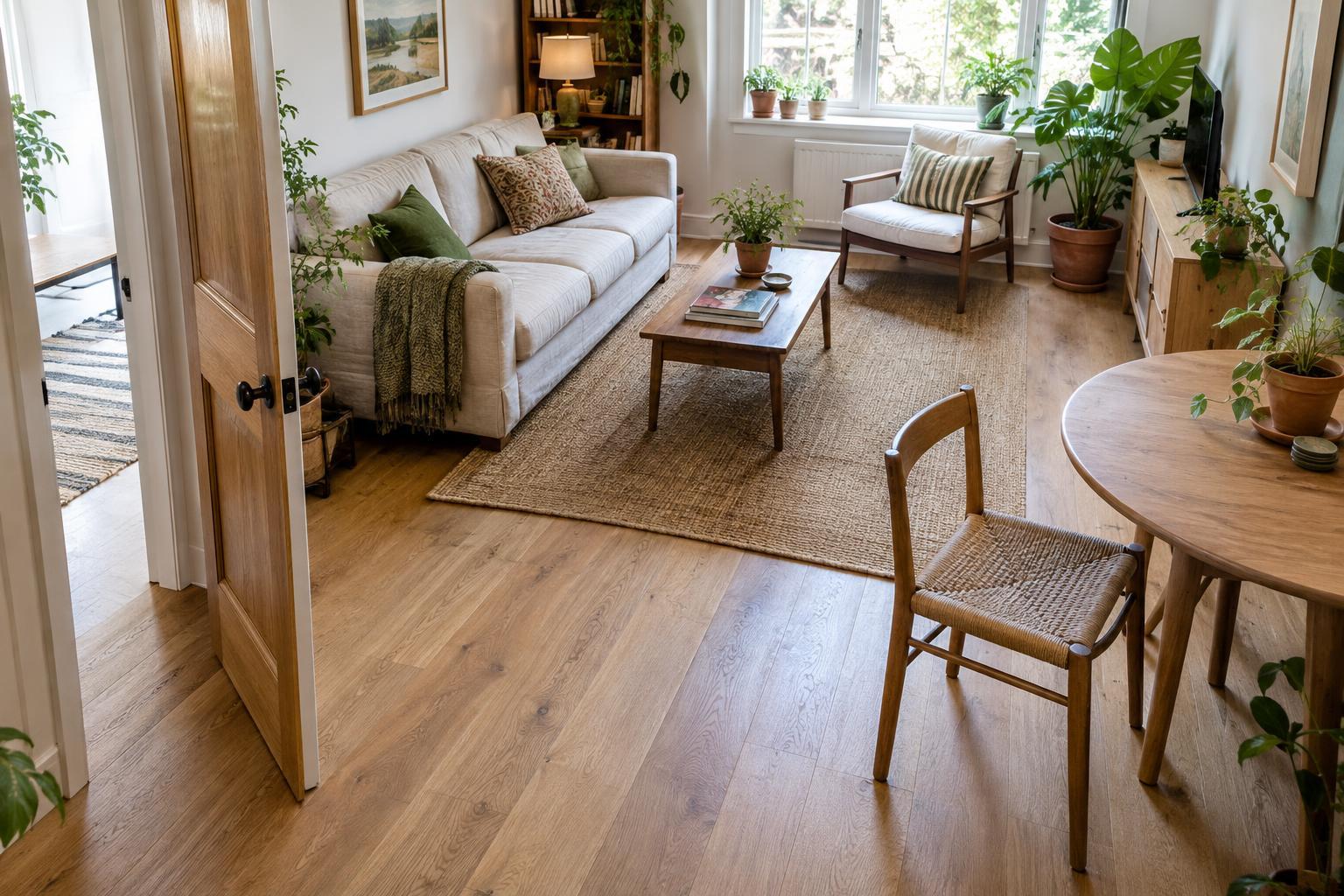
Room LayoutsA room can hold all the right furniture and still feel awkward to use. Learn how to plan clear walking routes, allow for doors and pulled-out chairs, and test a layout before moving everything into place.
Read article · 4 min↗
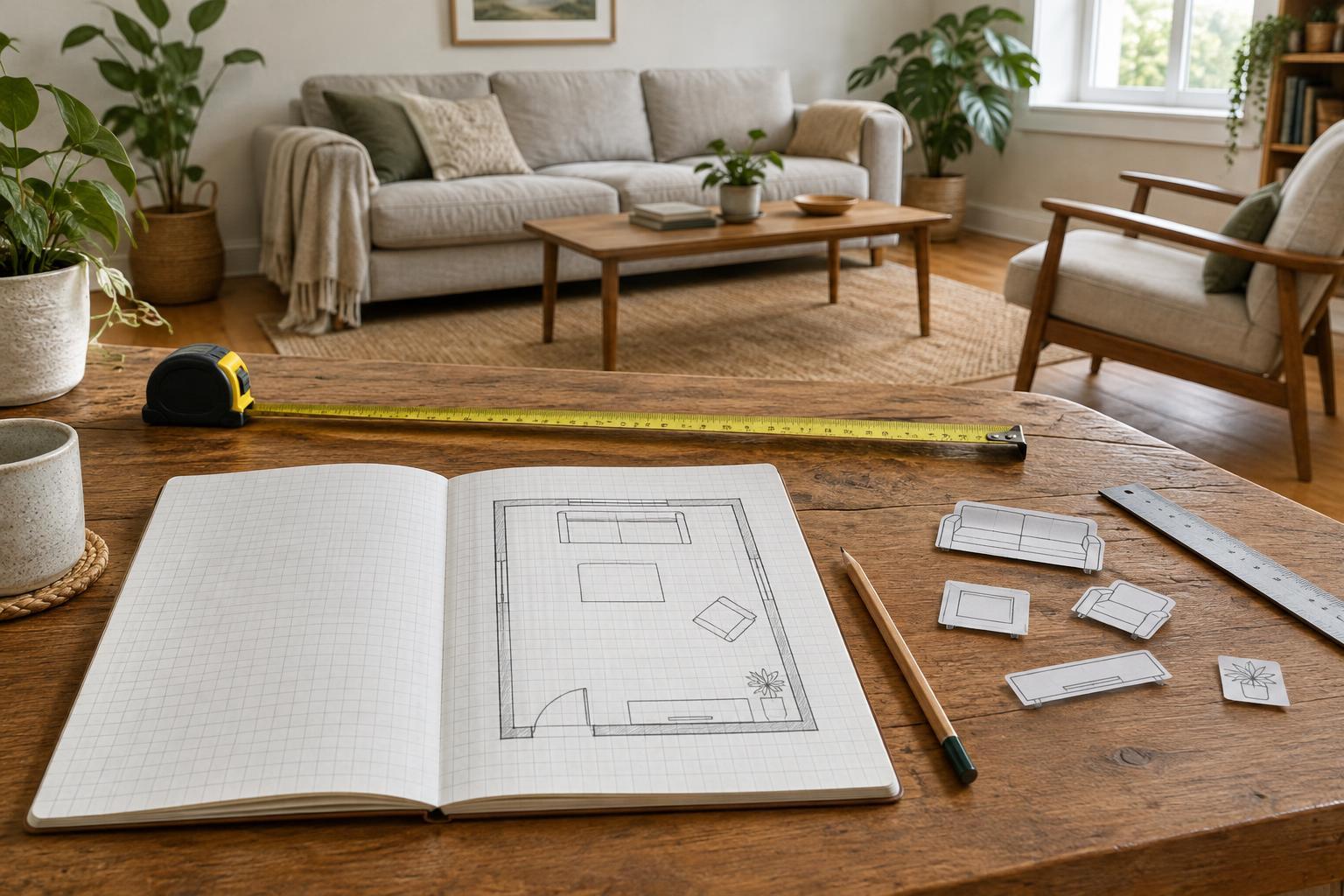
Room LayoutsA simple floor plan can help you decide where furniture belongs before you move anything. Learn what to measure, how to choose an easy drawing scale, and how to test a layout for doors, walkways, light and everyday use.
Read article · 4 min↗