Map the heat before moving the furniture
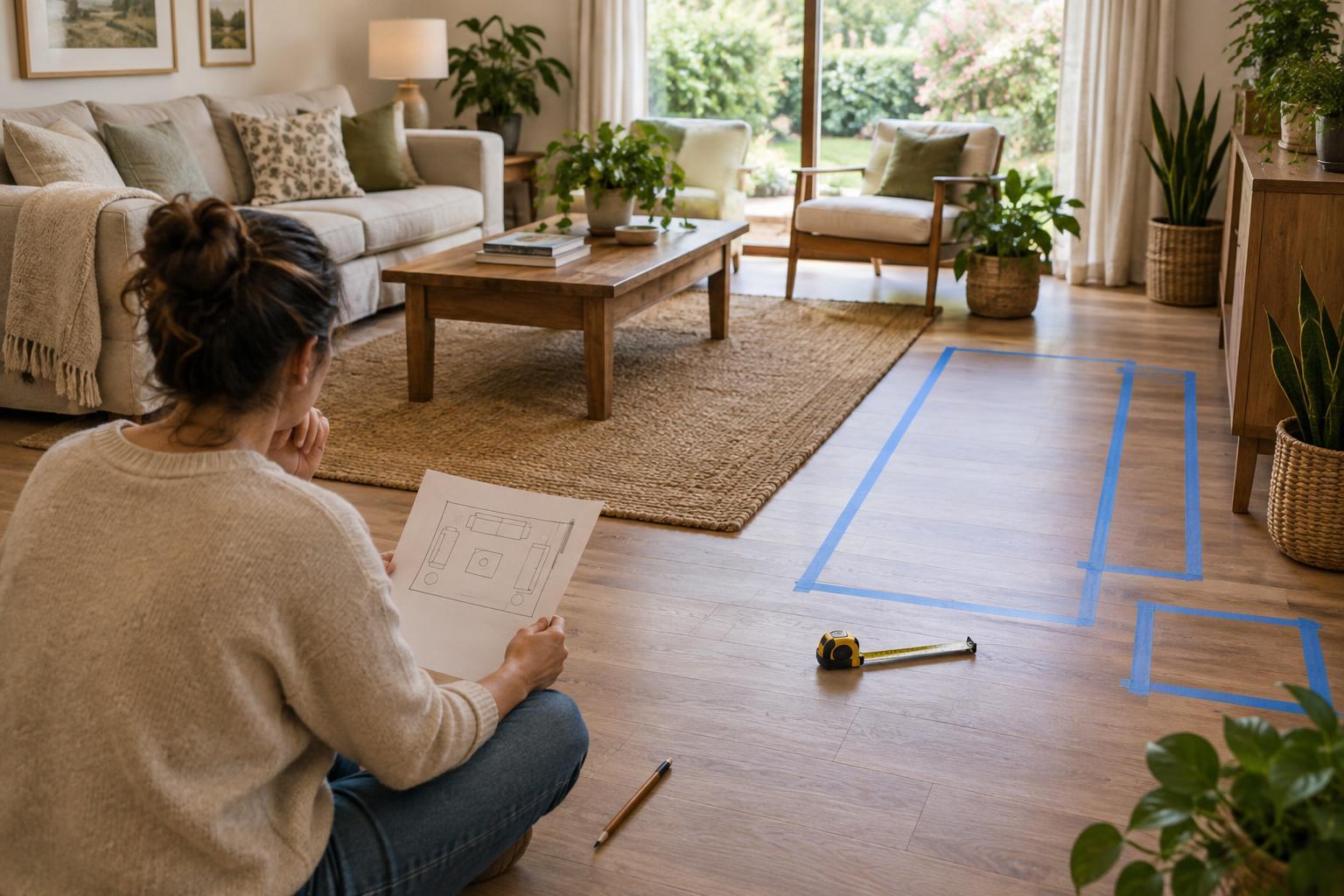
Before settling on a layout, locate every radiator, floor or wall supply vent, and return-air grille. A supply vent delivers warm air; a return grille draws room air back into a forced-air system. Both need an open path to work as intended. Notice where doors swing, where people walk, and which seats you use most. A quick floor-plan sketch can reveal options that are easy to miss while pushing furniture around.
Check the guidance for your heating equipment before deciding how close anything can sit. Safe spacing varies by system, so a single clearance rule will not suit every home. Radiators can also become hot to the touch. Keep furniture, curtains, baskets and other objects from resting against them, and leave valves and controls accessible.
Give large pieces a clear job
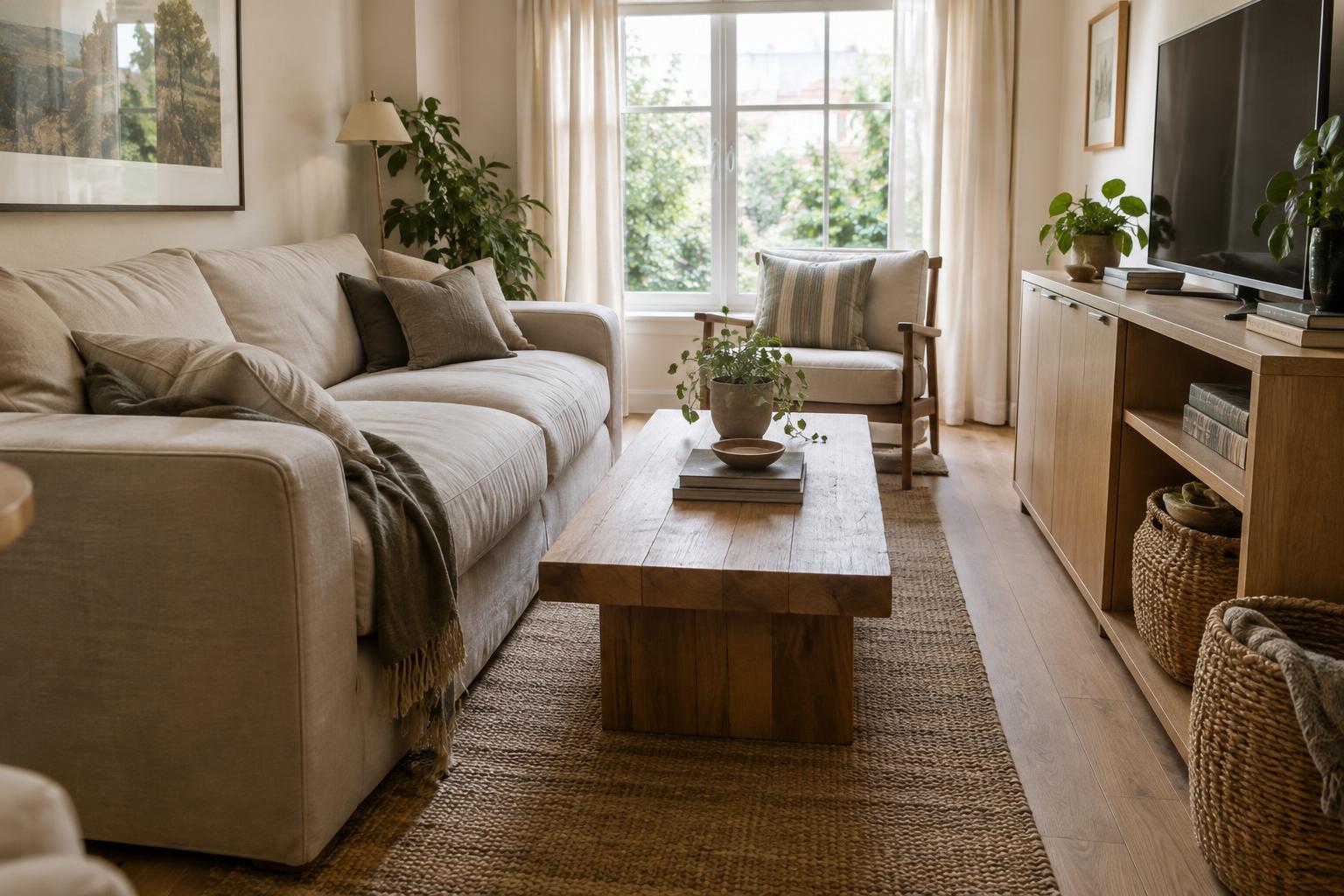
Start with the sofa, bed, desk or dining table rather than trying to fit every small item at once. If a radiator occupies the wall where you wanted a sofa, consider placing the sofa on an adjacent wall and using a rug to define the seating area. In a narrow room, a chair set at an angle may preserve both a comfortable conversation spot and access to the heater.
Avoid placing a solid-backed sofa, cabinet or bed directly over a vent or tight against a radiator. A floor vent hidden beneath a large piece may not distribute air well, while furniture crowded around a radiator can trap heat. Where a vent is near the edge of a room, furniture with open legs may leave a less obstructed path than a piece with a solid base—but keep the grille itself clear and follow the equipment’s guidance.
Keep the room usable, not just warm
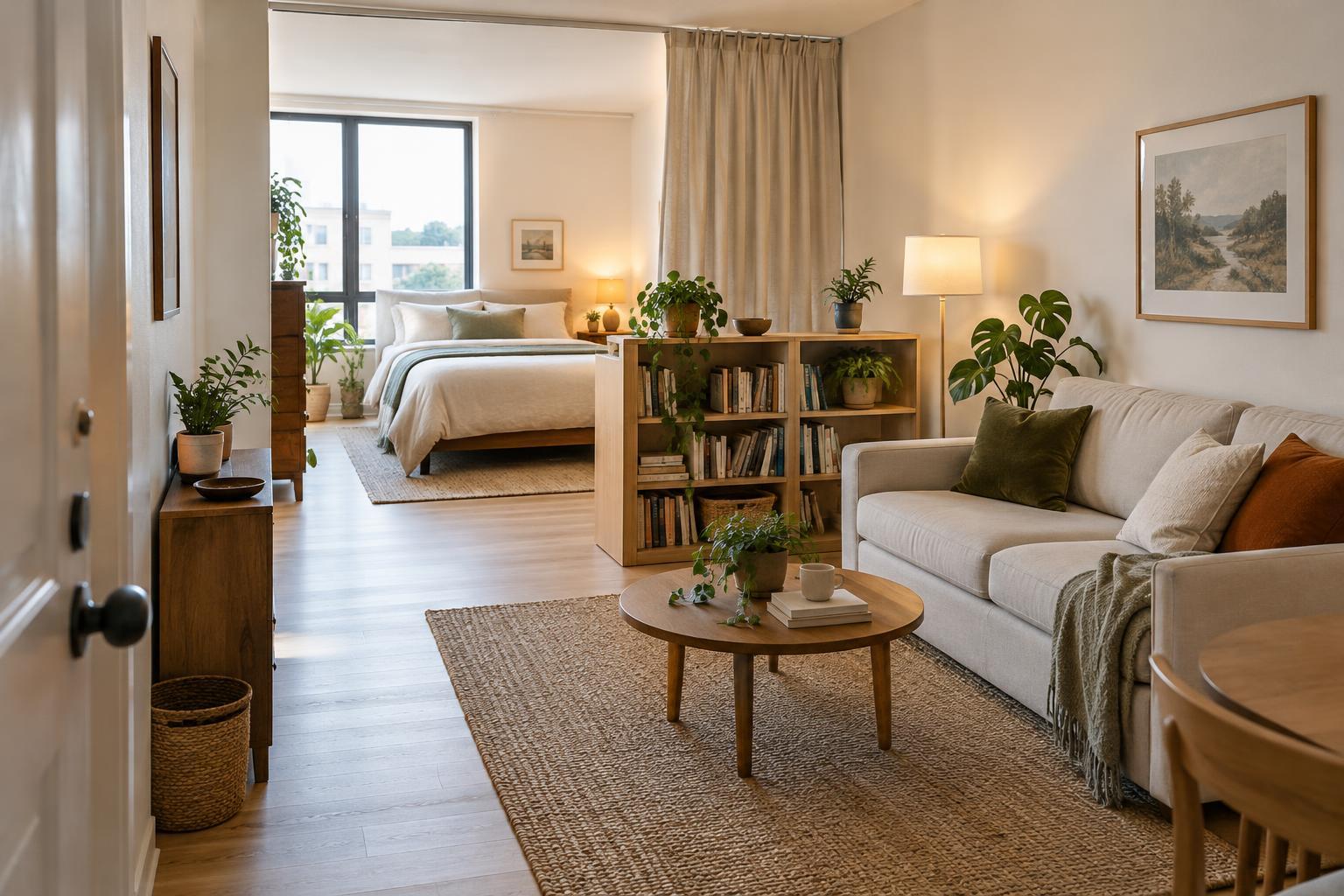
A heating feature is one constraint among several. Leave a comfortable route between the door and the places people use, and make sure drawers, cabinet doors and windows can still open. Position seating so no one has to sit pressed against a hot radiator or directly in a strong stream of warm air. A small shift in a chair or desk can make the room feel more pleasant without changing its basic arrangement.
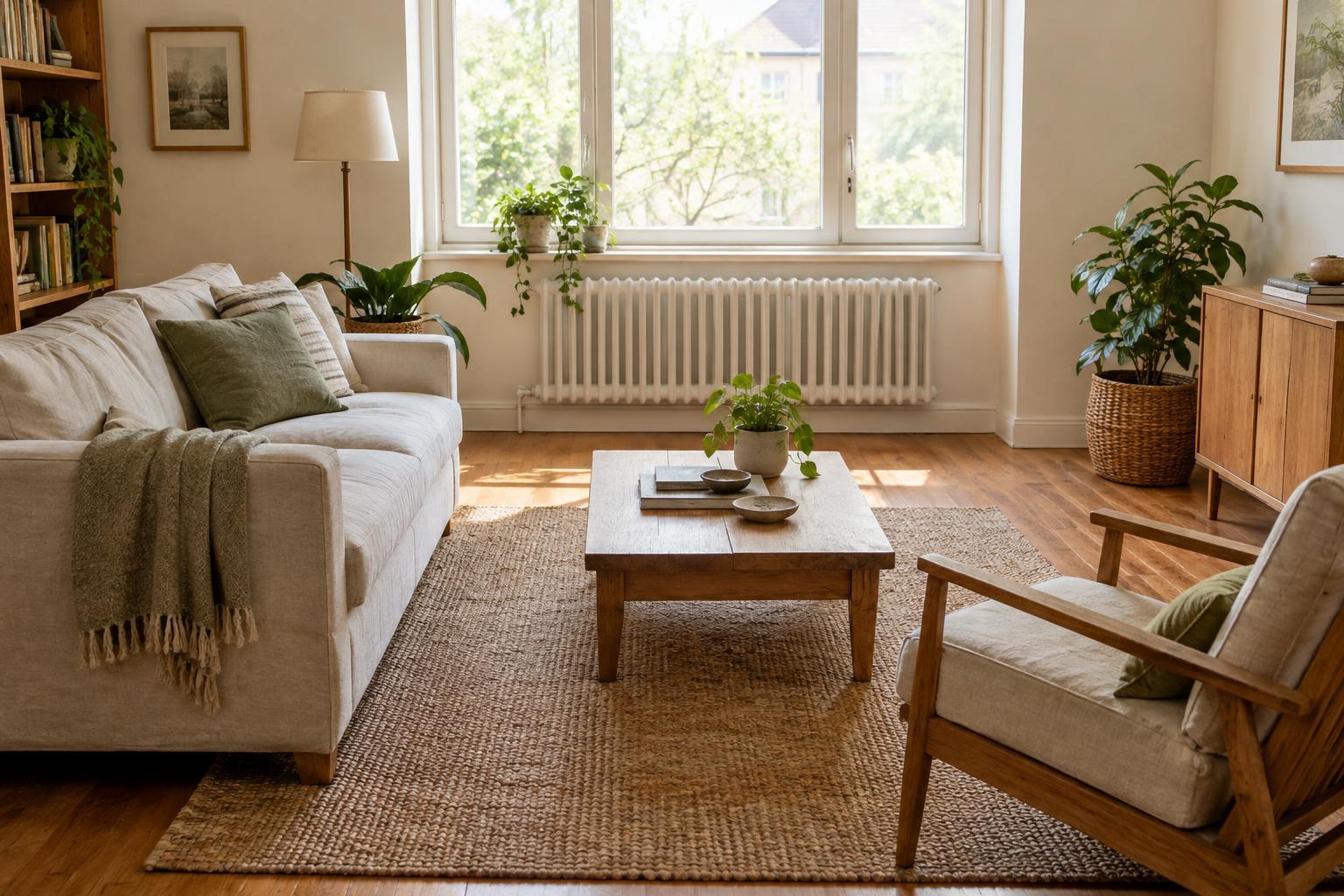
Window walls often need extra thought because radiators are commonly placed beneath windows. If you use curtains, choose a length and placement that will not drape over the heater or block a nearby vent. If the window is a focal point, frame it with furnishings on either side rather than filling the space immediately in front of the heat source.
Work with plants and natural materials thoughtfully
Plants can soften a room with visible heating equipment, but the warm, dry air close to a radiator or supply vent may stress some varieties. Put greenery where it gets suitable light without sitting in the direct path of heat. A plant stand to one side of a window, a shelf on an adjacent wall or a grouping farther into the room can add the same leafy effect. Check how the plants respond over time and adjust their position if leaves dry out quickly.
Natural textures can help the layout feel intentional. A woven rug can anchor a seating group that has been moved away from a radiator; a wood side table can make use of an open corner. Keep textiles, baskets and decorative objects out of direct contact with hot equipment, and do not use a radiator as a shelf unless its manufacturer specifically allows it.
Test the arrangement through an ordinary day
Once the main pieces are in place, walk through the room and sit in each seat. Can you reach a lamp or side table? Does the layout leave enough space to clean around the heater and access its controls? Are all vents and return grilles uncovered? These simple checks often show whether a layout works better than a drawing suggests.
Then pay attention while the heat is running. If one area feels stuffy or a seat is uncomfortably warm, try moving smaller pieces before rearranging the whole room. A good plan makes space for air to move and for people to live comfortably, while letting plants, furniture and natural textures feel like deliberate parts of the room.