Start with the conversation, not the walls
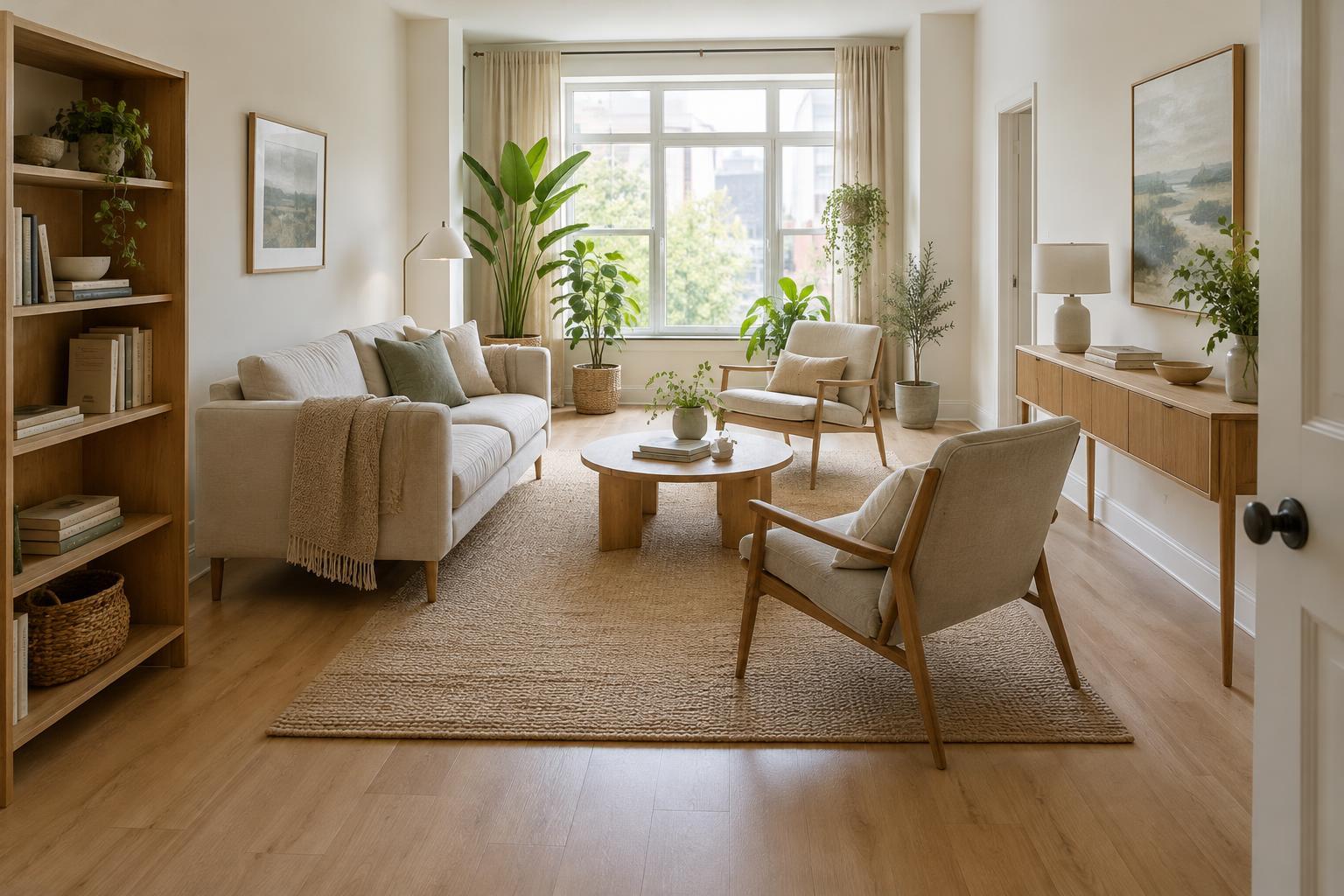
Before moving furniture, decide where people are most likely to sit together. It might be beside a window, near a fireplace, or in the part of the room that feels most welcoming at the end of the day. Place the sofa so it anchors that spot, then turn the chairs toward it. The goal is for seated people to see one another comfortably, without having to twist around or speak across the entire room.
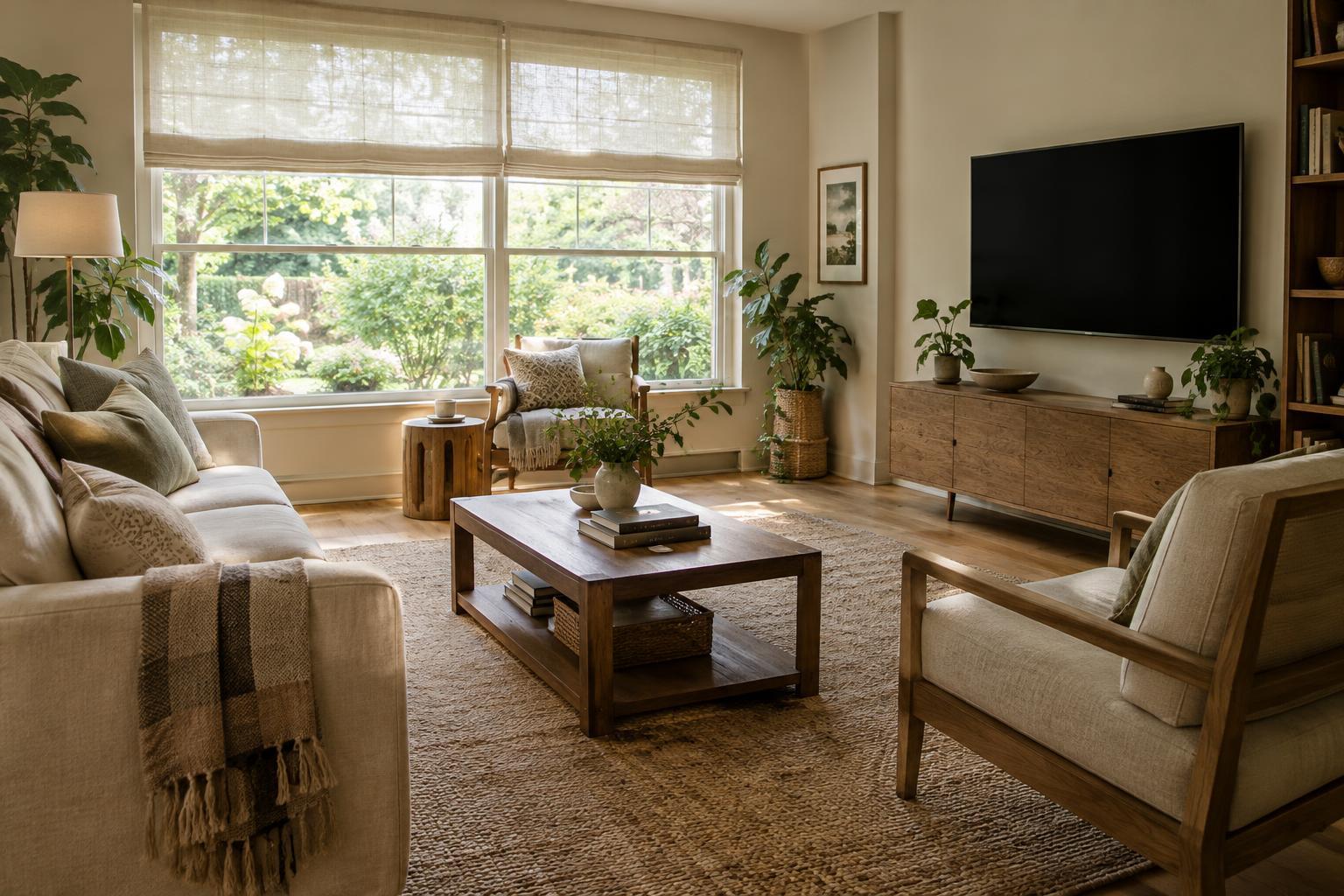
A television, view, or fireplace can still be part of the arrangement. It does not need to dictate every seat’s direction. Try angling at least one chair toward the sofa rather than lining all the furniture up to face the same wall. That small change makes the area feel more inviting for conversation while preserving a view of the room’s main feature.
Bring the seats close enough to feel connected
A sofa against one wall and chairs against the opposite wall can leave a wide, empty gap between people. If the room allows, pull the chairs closer and let some floor space remain behind them. In a larger room, this may mean floating the sofa or chairs away from the walls. In a smaller room, even a modest shift inward can make the seating feel like one group rather than separate pieces.
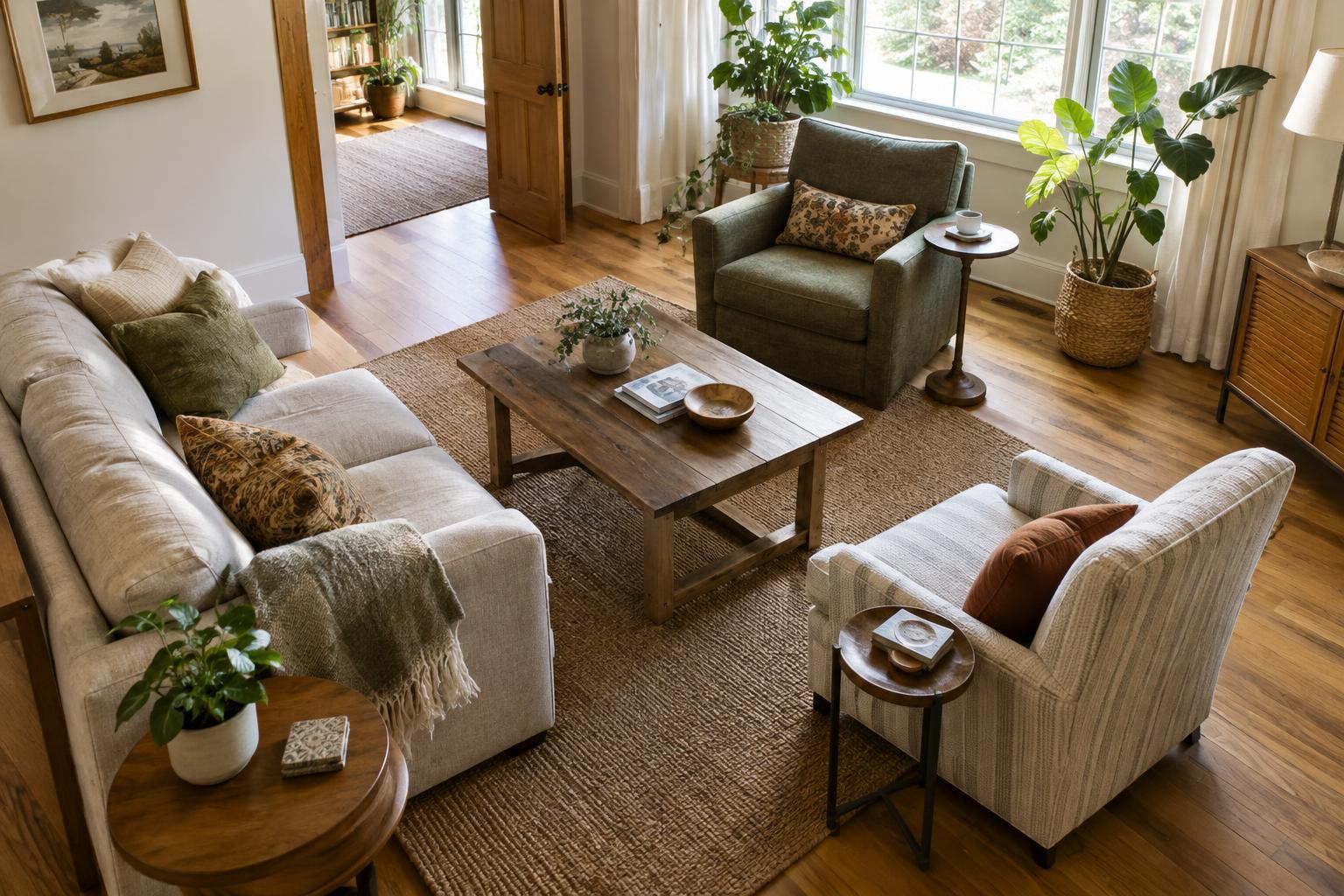
Leave enough space between seats for legs, a side table, and easy movement. You should be able to get into a chair without edging sideways, but you should not have to lean forward to speak to someone on the sofa. A useful test is to sit in every seat and imagine an ordinary conversation. If a place feels isolated, move it closer or turn it slightly toward the others.
Protect the routes through the room
A good conversation area should not become an obstacle course. Notice the paths people take between doors, windows, and adjoining spaces. Position the sofa and chairs so those routes pass around the seating group rather than through the middle of it. This helps someone cross the room without interrupting everyone who is sitting down.
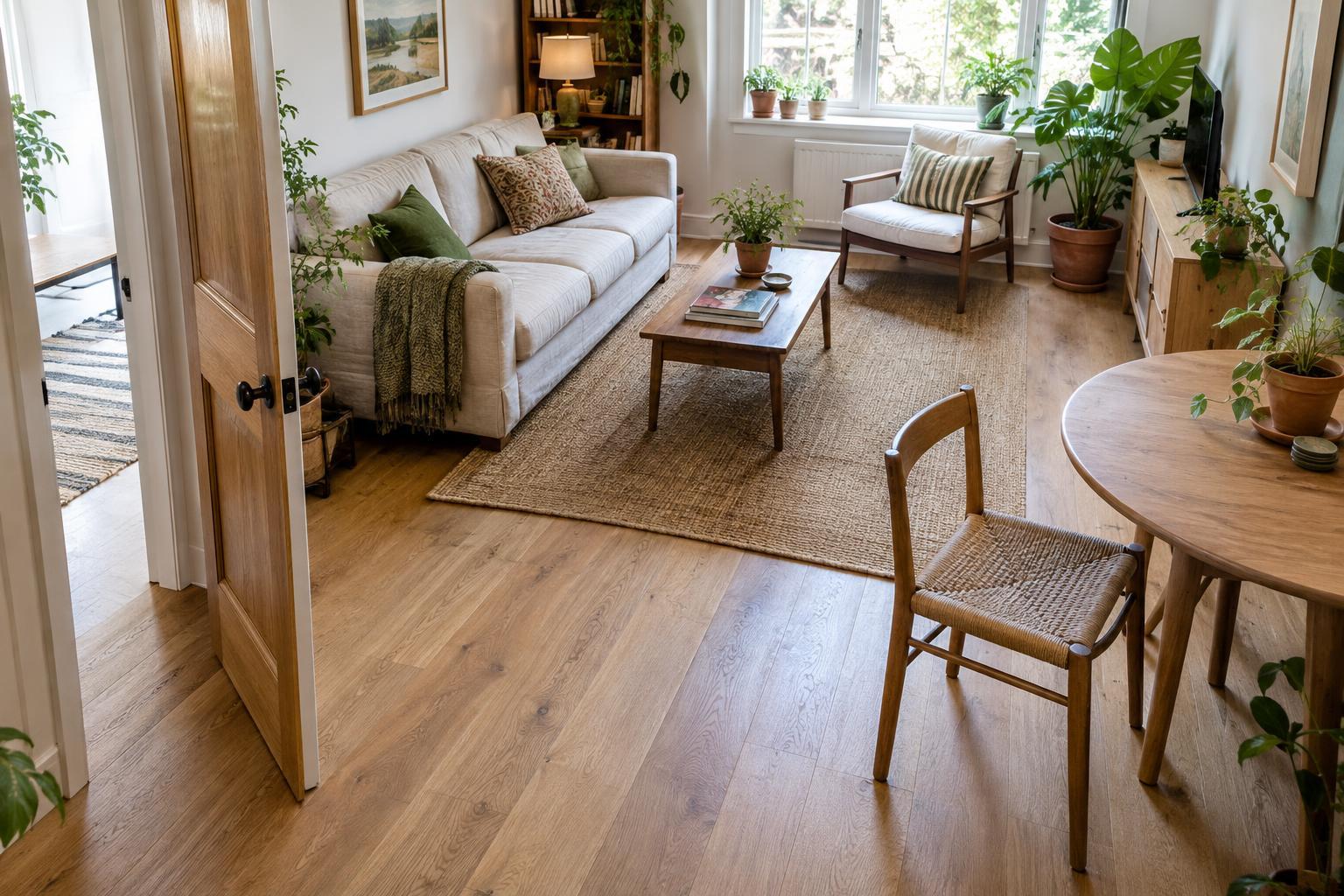
If a chair must sit near a walkway, consider a lighter-looking design or one that is easy to move when guests arrive. In an open-plan room, the back of a sofa can mark the edge of the conversation area, separating it from a dining or work zone without adding a wall. Check that there is still a comfortable path behind the sofa before settling on its position.
Give each seat a useful place to land
Once the seating feels connected, consider what people need within reach. A coffee table can serve the sofa and nearby chairs, while a small side table can help a chair that sits farther away. Choose tables that fit the space rather than squeezing in a large piece simply to fill the center. The area should feel easy to use as well as pleasant to look at.
Lighting also affects where a chair works best. A reading chair near a lamp can be useful when nobody else is in the room, yet still join the conversation when others sit down. If you enjoy indoor plants, keep them at the edge of the seating group or beside a window where they suit the available light. Avoid placing a tall plant where it blocks eye contact or narrows a walkway.
Adjust the layout to the room you have
For a compact room, a sofa with one chair set at an angle may work better than a perfectly symmetrical pair. An occasional chair can move closer when company comes over. If the room is long and narrow, keep the main seats within one part of it instead of stretching them from end to end. The remaining space can serve another purpose without making conversations feel distant.
For a larger room, resist spreading furniture out just because there is space. Group the sofa and chairs first, then decide what belongs around them. A rug may help define the area, but the seating should still make sense without one. Try the arrangement for a few days, paying attention to where people naturally sit and walk. Small adjustments in angle or position often do more than a complete rearrangement.