Know when a plant needs a new pot
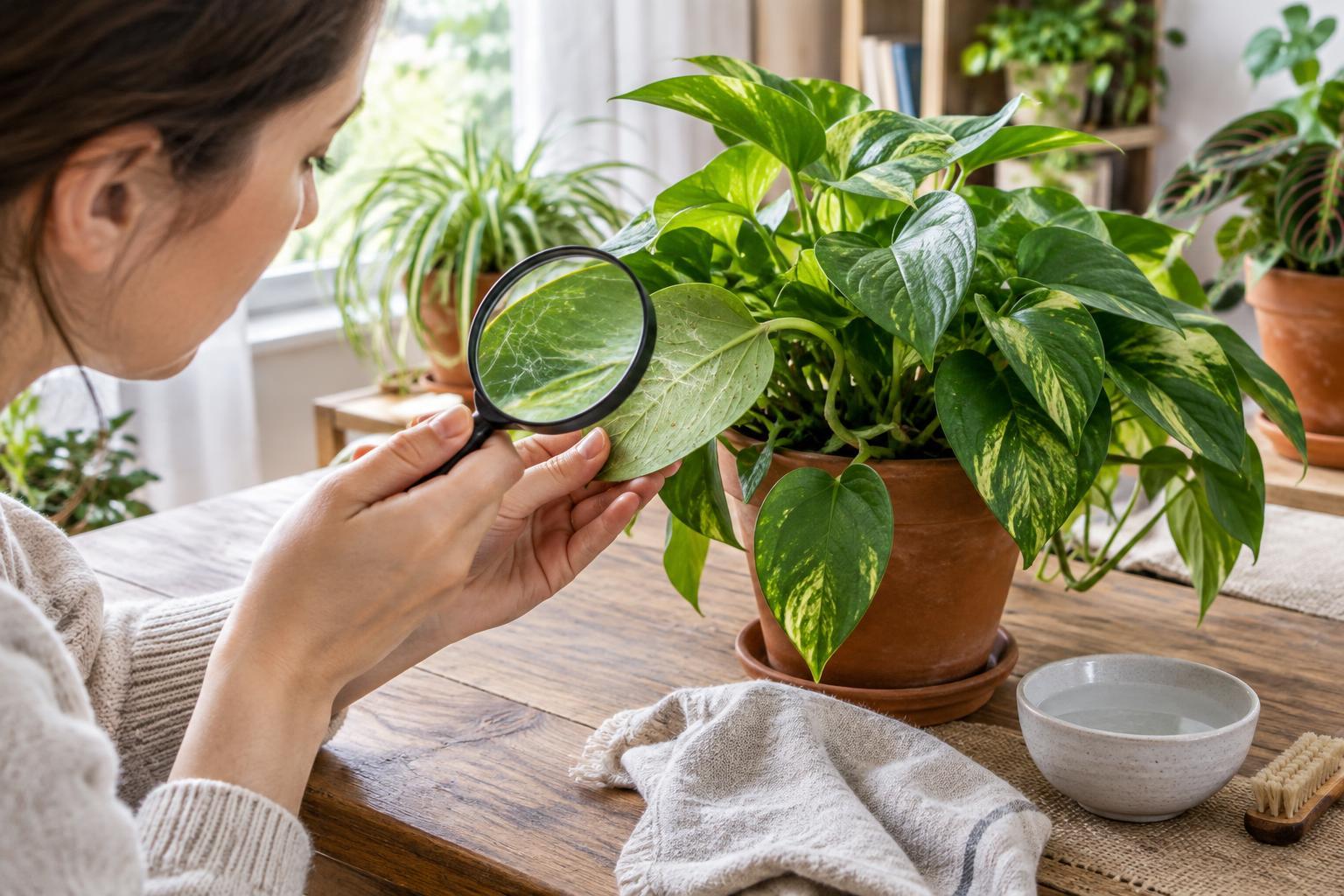
A houseplant does not need a bigger pot simply because a year has passed. First, look at how it is growing and how water moves through the soil. Roots emerging from drainage holes, circling densely inside the pot or lifting the plant above the soil are useful clues. A pot that dries out much faster than it used to may also be crowded with roots. If growth has slowed, check the roots and soil before assuming that repotting is the answer; changes in light, watering or temperature can affect growth too.
Sometimes the plant needs fresh potting mix but not more space. Soil that has become compacted and hard to wet may benefit from replacement, even when the roots still fit comfortably. Conversely, a plant with plenty of loose soil around a small root system can usually stay where it is. When in doubt, gently slide the plant from its pot and take a look. You can return it to the same pot if the roots have room.
Choose a good moment and prepare the new home
For many houseplants, a period of active growth is a convenient time to repot because new roots can move into fresh mix. You need not wait for a particular season if the plant has an urgent problem, such as damaged roots or soil that stays soggy. Try to avoid adding the stress of repotting to a plant already struggling with a sudden move, severe dryness or a recent change in light, unless its roots or soil need immediate attention.
Choose a pot with a drainage hole that is only slightly wider than the root ball. A much larger pot holds more damp mix around roots that cannot yet use it, making watering harder to judge. A decorative pot without drainage can still work as an outer cover for a smaller nursery pot. Select a potting mix suited to the plant rather than using soil dug from outdoors. Plants that prefer a fast-draining mix, such as many succulents, may need a different blend from foliage plants that appreciate more even moisture.
Repot gently, step by step
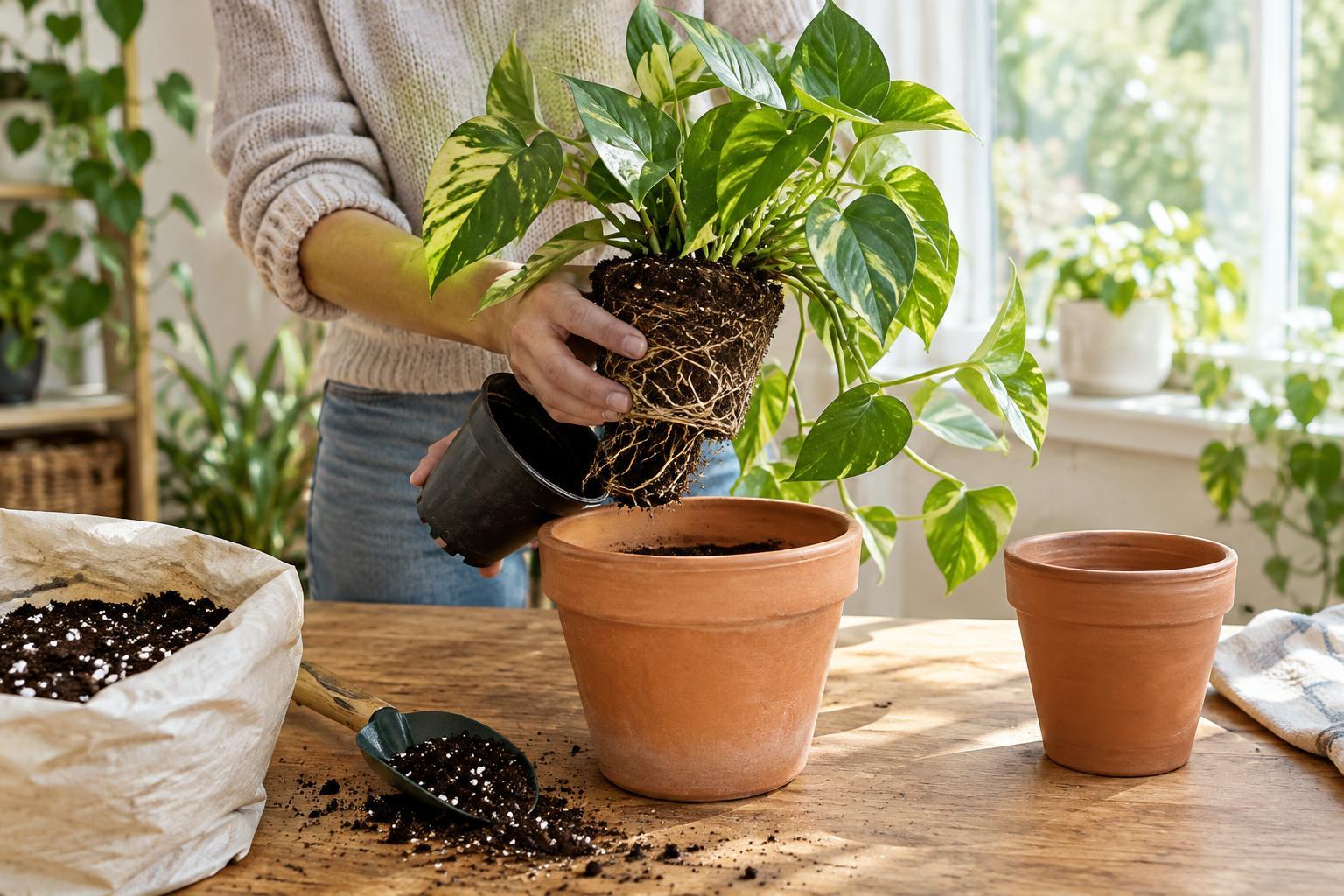
Set out your clean pot, fresh mix and a surface that is easy to tidy. If the old mix is very dry, lightly watering it beforehand may make the root ball easier to remove. Support the plant near its base, tip the pot on its side and ease the root ball out. Squeezing a flexible pot or tapping its sides can help. Avoid pulling hard on the stems; if roots have grown through the drainage holes, loosen them carefully before lifting the plant.
Inspect the roots while the plant is out. Healthy roots can vary in color, but soft, collapsing or foul-smelling sections may need to be trimmed away with clean scissors. If roots are tightly wound around the outside, gently tease a few loose with your fingers. There is no need to strip away all the old mix or untangle every root. Keep as much of the root system intact as you reasonably can.
Add enough fresh mix to the new pot to position the plant at roughly the same depth it grew before. Fill around the sides, pressing lightly so the plant stands upright without packing the mix hard. Leave a little space below the rim so water does not spill over immediately. Water until excess runs from the drainage hole, then let the pot drain fully. If you have reused a pot, wash it before planting.
Give it time to settle
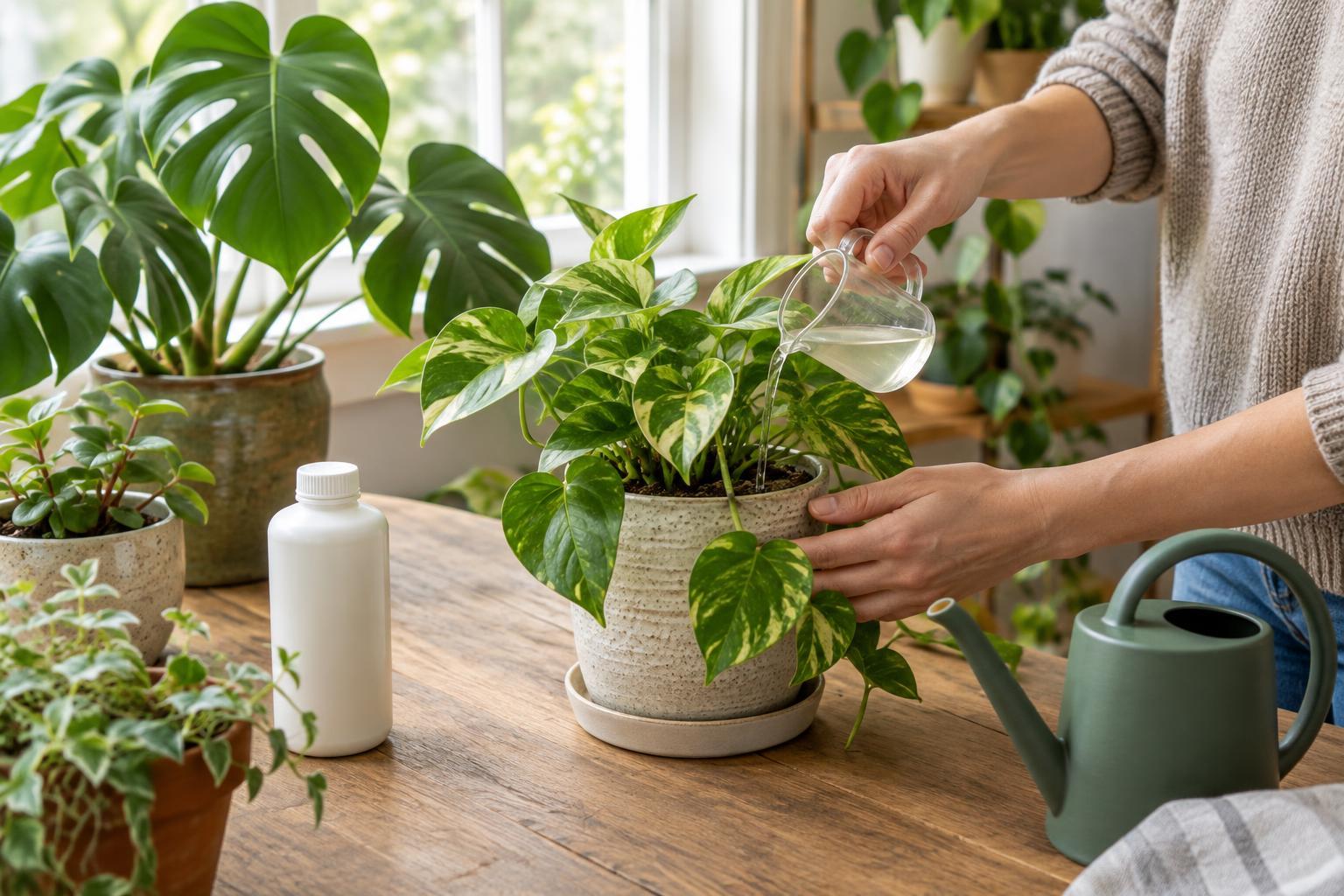
Put the plant back in a spot with light similar to what it received before. For the next few weeks, check the mix with a finger rather than watering on a fixed schedule: a new pot and fresh mix may dry at a different rate. Empty any water left standing in a saucer or outer pot. A little pause in growth after repotting is not unusual, but persistent wilting calls for a closer look at soil moisture, drainage and the condition of the roots.
Hold off on making several changes at once. Repotting, moving to much brighter light and heavy feeding together can make it difficult to tell what the plant needs. With a suitable pot, an appropriate mix and a gentle transition, most houseplants can settle into their new space without a complicated routine.