Think of each container as a changing space
Succession planting means putting a new crop into a space after the previous one finishes. In a container garden, that space might be a single balcony pot, a window box or a grow bag. You do not need a large planting plan. The useful question is simply: when this crop comes out, what could use the pot next?
Start by noting when each container is likely to become available. A pot of salad leaves may open up after several harvests, while a tomato may occupy its container for much longer. Keep a short list of possible replacements, but treat it as a guide rather than a schedule. Plants often finish earlier or later than expected, and the next crop still needs suitable light, temperatures and time to grow.
Clear the pot without rushing the changeover
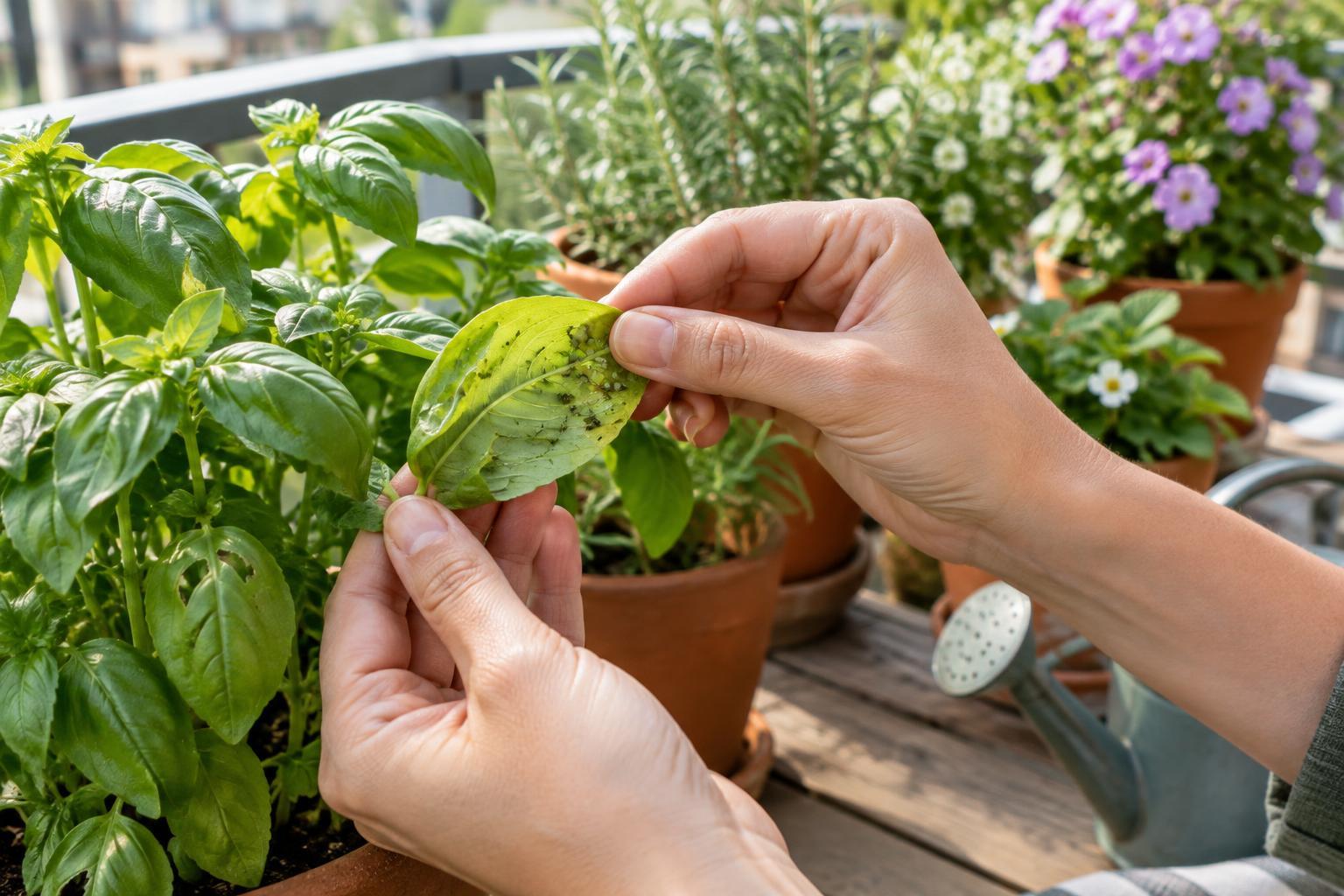
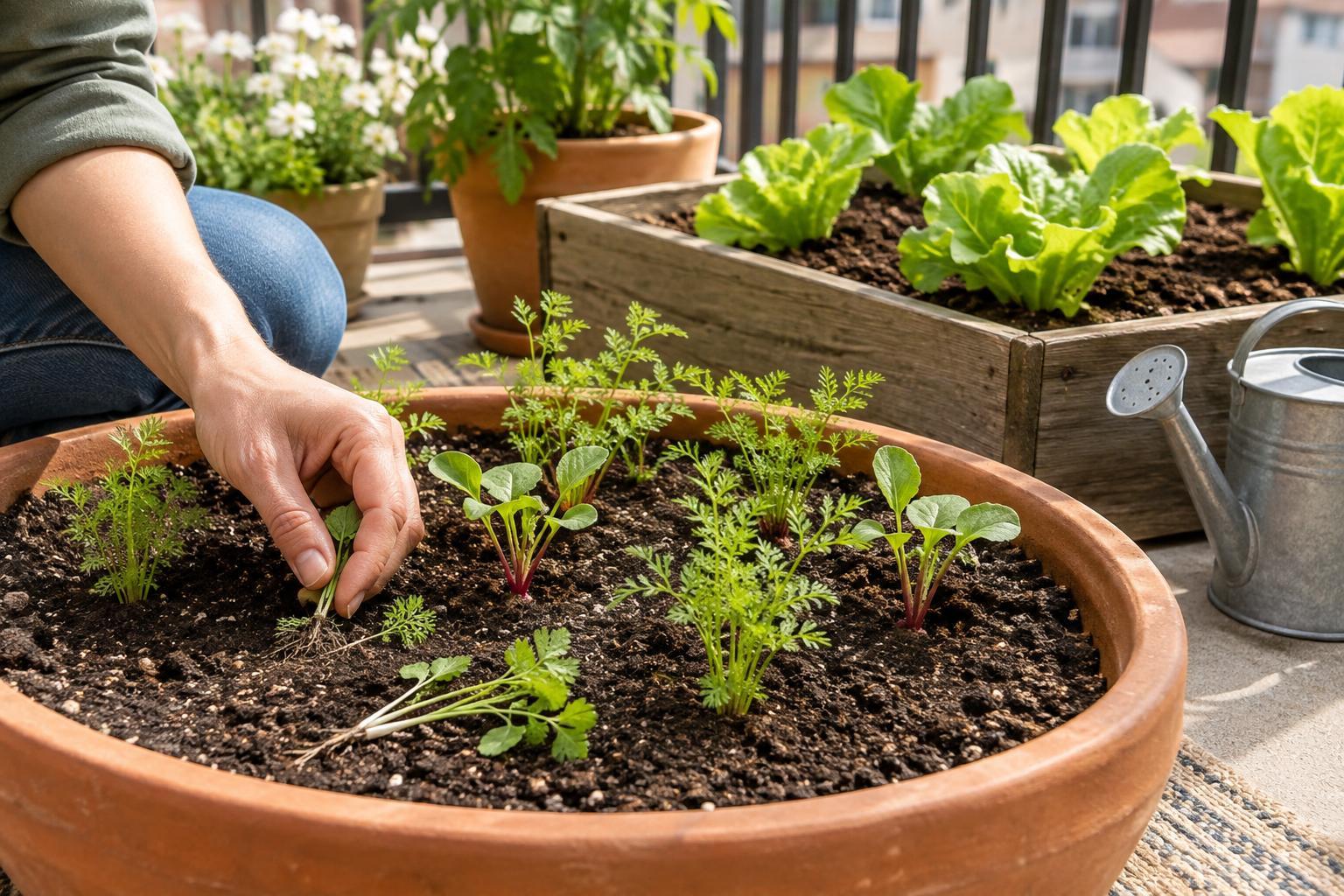
Once a crop is no longer producing well, remove its stems and roots. Pick out fallen leaves and any weeds, then check the soil. If it has become compacted, gently loosen the upper layer with a hand fork, taking care not to damage the container. Make sure drainage holes are open before planting again; roots need a way for excess water to leave the pot.
You can often reuse potting mix for another crop, but it may need topping up. Add fresh potting mix to replace lost volume and improve the texture. If the previous plants showed signs of disease, do not assume the mix is suitable for the same kind of plant again. Remove affected plant material, clean the container before reuse and consider starting with fresh mix. Avoid using garden soil as a quick top-up: it can compact in pots and drain poorly.
Choose the next crop for the conditions you have
Match the replacement to the container, not just to what you would like to eat. Leafy greens and many herbs can suit smaller pots, provided they have enough root space and receive appropriate light. Fruiting crops generally need larger containers, more sun and a longer growing period. Check the seed packet or plant label for spacing and expected growth time, then ask whether the pot can support that plant until harvest.
Look at the season from the new crop’s point of view. A fast-growing crop may fit into a short gap, but seeds still need suitable conditions to germinate and young plants need time to establish. If strong sun is ending or cool weather is approaching, choose a crop suited to those conditions rather than trying to repeat a warm-season planting. In a sheltered small space, check the actual light reaching the pot: a nearby wall or growing plant can shade it as the season changes.
Give new plants a clean start
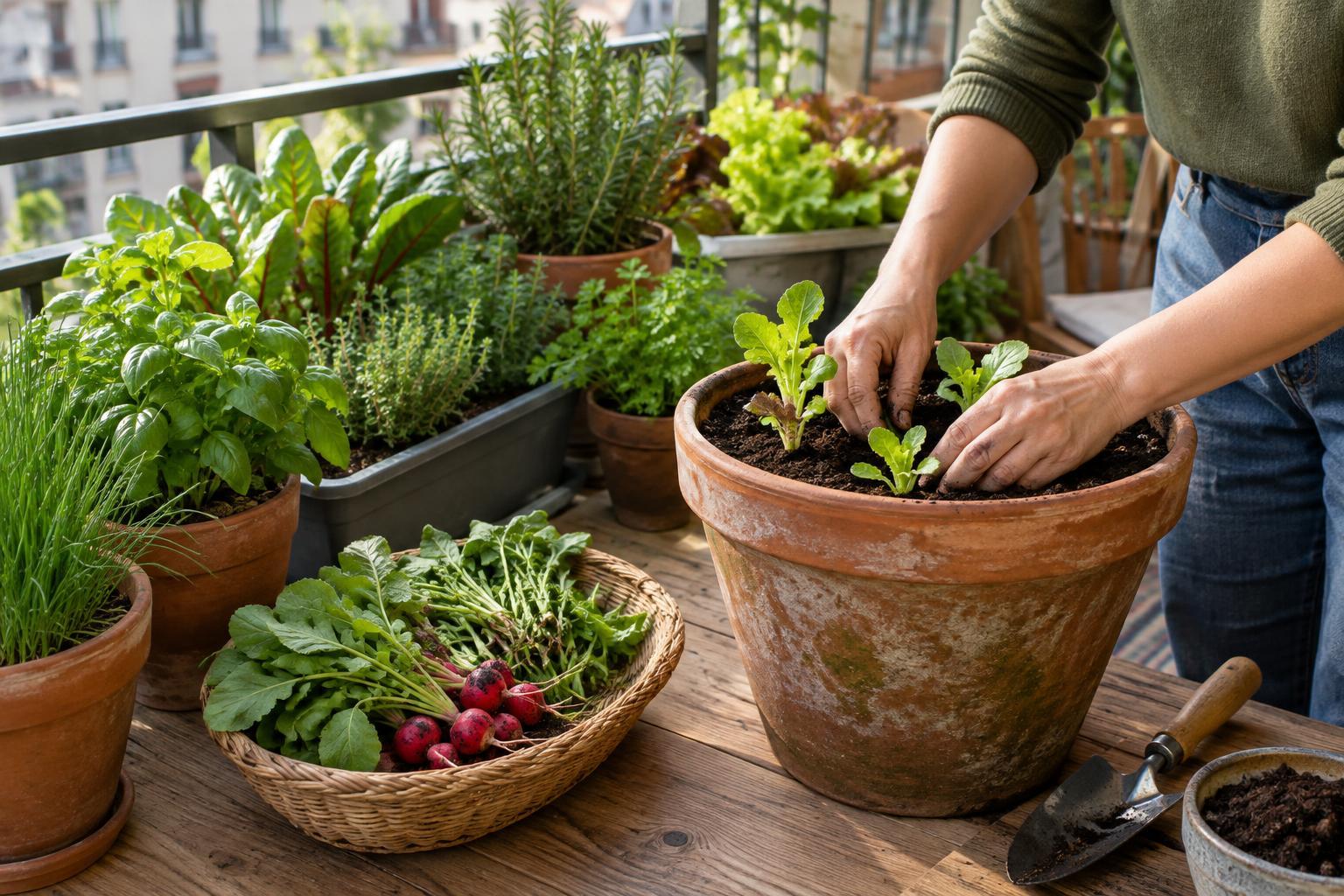
After refreshing the mix, water it until it is evenly moist, then sow seeds or set in young plants at the recommended depth and spacing. It is tempting to crowd a newly emptied pot, but seedlings need room for roots and airflow as they grow. Thin direct-sown seedlings where necessary, or plant fewer starts so each has space to mature.
Recently replanted containers need closer attention than established ones. The soil should stay appropriately moist while seeds germinate or roots settle, without remaining waterlogged. Containers can dry quickly in wind and sun, so check the mix with a finger rather than watering only by habit. For feeding, follow the guidance for your potting mix and chosen crop; adding more fertilizer is not always better, especially for small seedlings.
Plan a small overlap instead of an empty gap
If you have a spare pot, start the next crop while the current one is finishing. A few seedlings growing in a separate container can be ready to move into the main pot after the harvest. You can also stagger sowings across two or three containers, leaving a little time between them rather than planting everything at once. This can spread out the harvest and make changeovers easier to manage.
There is no need to keep every pot full at all times. If the next crop would face unsuitable conditions, clean the container and wait. Succession planting works best as a flexible habit: notice what is finishing, prepare the space well and plant something that has a fair chance of thriving there next.