Choosing plants before checking the space
One of the easiest mistakes is buying a plant you love before finding out whether your space suits it. A balcony that feels bright may receive direct sun for only a short part of the day. A windowsill may be sunny but exposed to hot glass, while a sheltered patio may stay cool and damp after rain. Watch the spot at several times of day before planting, and note where direct light reaches, where wind is strongest and which corners remain shaded.
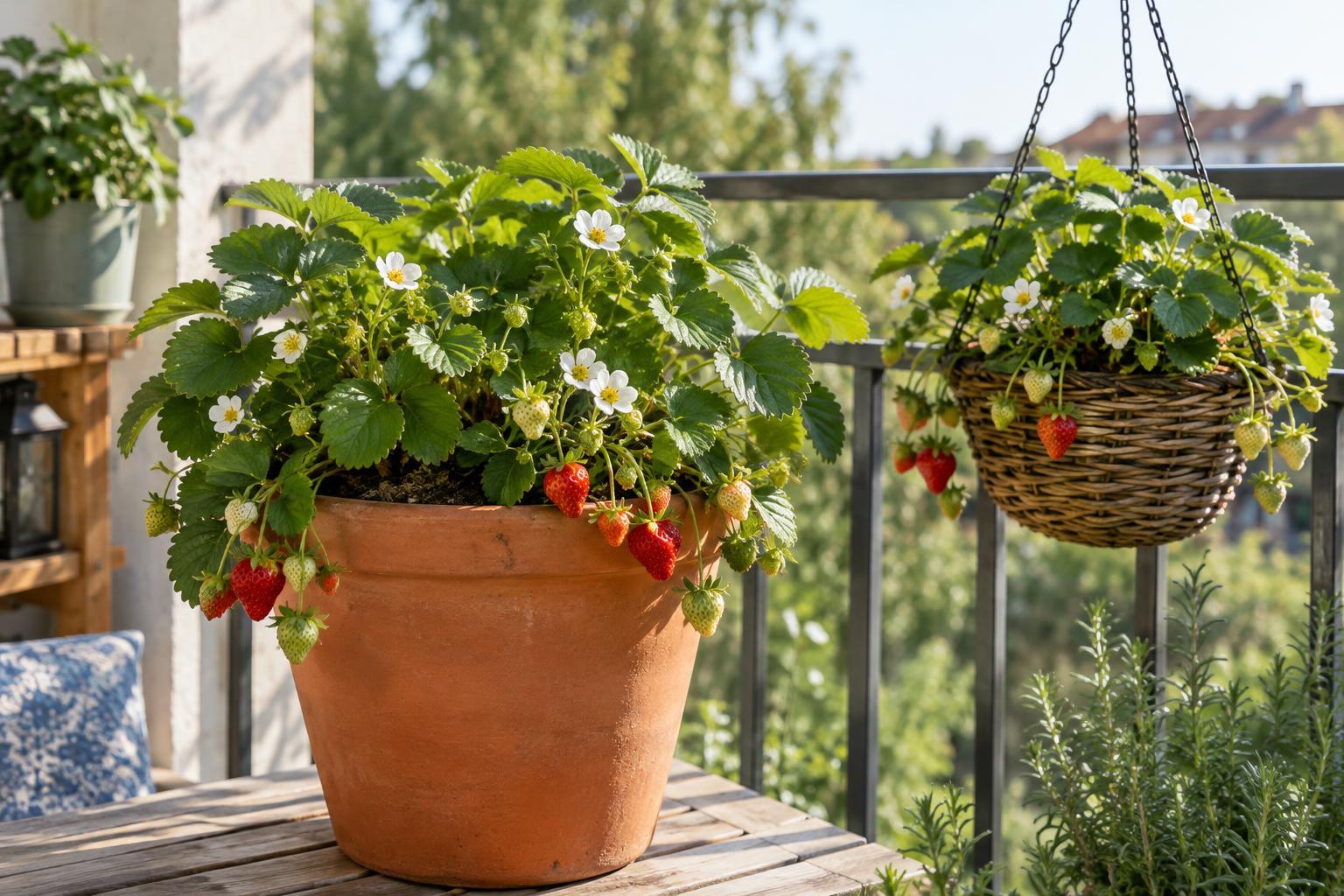
Use those observations to choose plants rather than trying to force a poor match. Check plant labels for light needs and expected mature size, then compare them with the conditions you can provide. If you have several planting spots, place sun-loving plants in the brightest one and reserve shadier corners for plants that tolerate less direct light. For edible plants, be especially realistic: a crop that needs strong sun is unlikely to thrive in a dim corner, however attractive the container looks.
Packing too much into too little room
Small gardens invite creative stacking and grouping, but crowding causes problems above and below the soil. Leaves pressed tightly together can make it harder to inspect plants and may slow drying after rain. Roots competing in a small pot can leave plants needing frequent water and struggling to grow. A young seedling may look lonely at first; check its likely mature width before filling every gap.
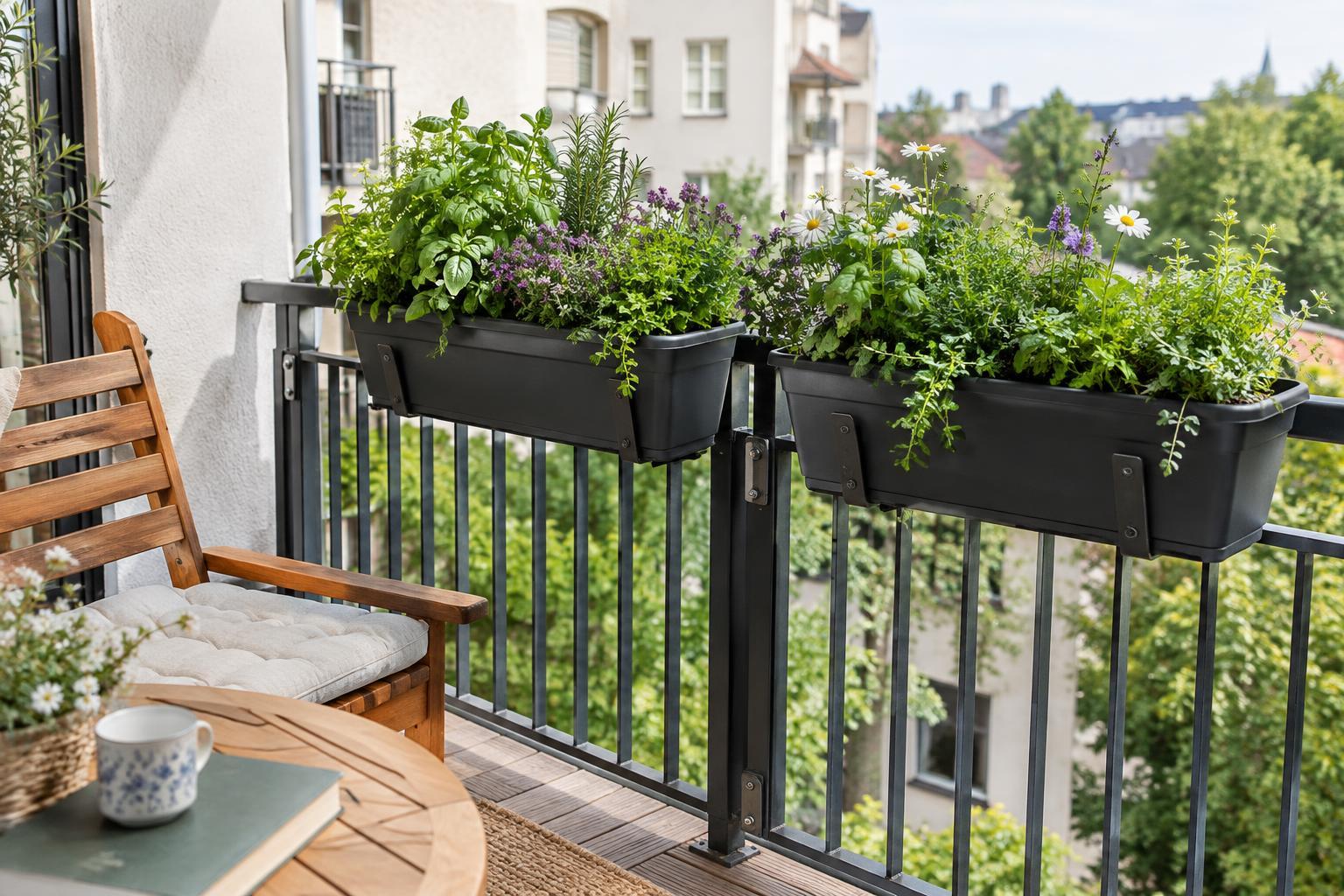
Start with fewer containers than you think you need, leaving enough room to reach each one with a watering can and to remove dead leaves. Give large or vigorous plants their own pots, and follow seed-packet spacing guidance when growing vegetables. Vertical shelves and rail planters can add growing room without taking up much floor space, but make sure they are stable, do not block access and are suitable for the weight of wet compost and pots.
Overlooking pots, drainage and potting mix
A decorative container is not automatically a good growing container. Without a way for excess water to escape, roots may sit in soggy potting mix. Choose pots with drainage holes and use a saucer or tray where you need to protect a floor. Empty collected water when practical rather than letting a pot stand in it. If you use an outer decorative pot without holes, keep the plant in a removable inner pot so you can check and drain it after watering.
Pot size matters too. A pot that is far too small dries quickly and restricts roots; an oversized pot can hold more moisture than a small plant uses. Move up gradually as a plant grows, using a potting mix suited to containers rather than compacting ordinary garden soil into a pot. Before arranging containers on a balcony or raised surface, consider how heavy they will be when watered and check any rules or load limits that apply to the space.
Watering by habit instead of checking the soil
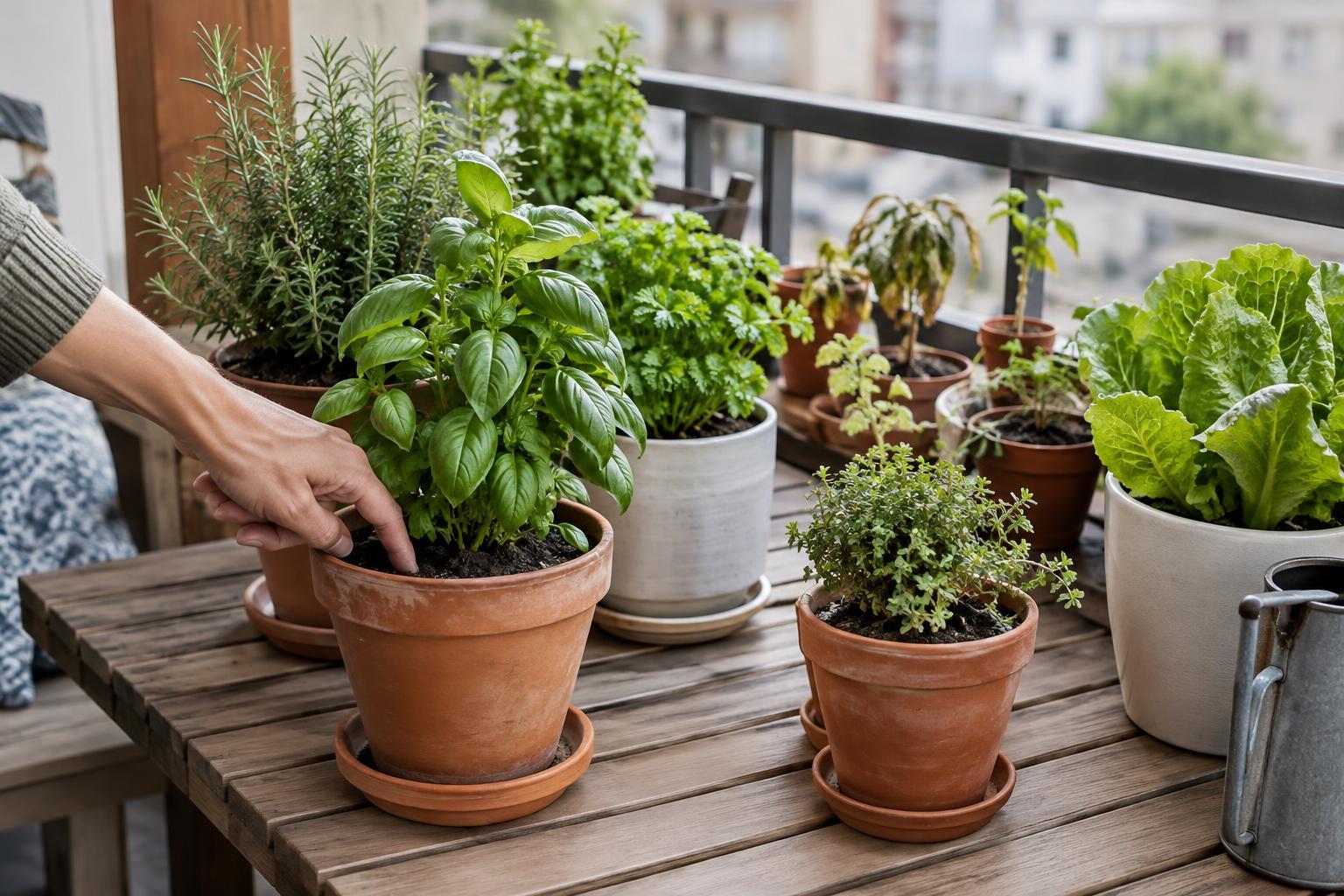
Watering every morning may sound attentive, but plants do not all dry out at the same rate. A shallow pot in sun and wind can need attention sooner than a large container in shade. Rain may reach the front row of a balcony while plants beneath an overhang stay dry. Rather than following a fixed schedule, feel the potting mix below the surface and lift smaller pots to learn how their weight changes as they dry.
When a plant needs water, water the mix thoroughly enough that moisture reaches the roots and excess can drain away. Then check again before watering next time. Wilt is not always a sign of dry soil: a plant in wet mix may also look unhappy. Checking the soil first helps you avoid adding water to an already saturated pot. Grouping plants with similar watering needs can make this routine simpler.
Building a garden that is hard to maintain
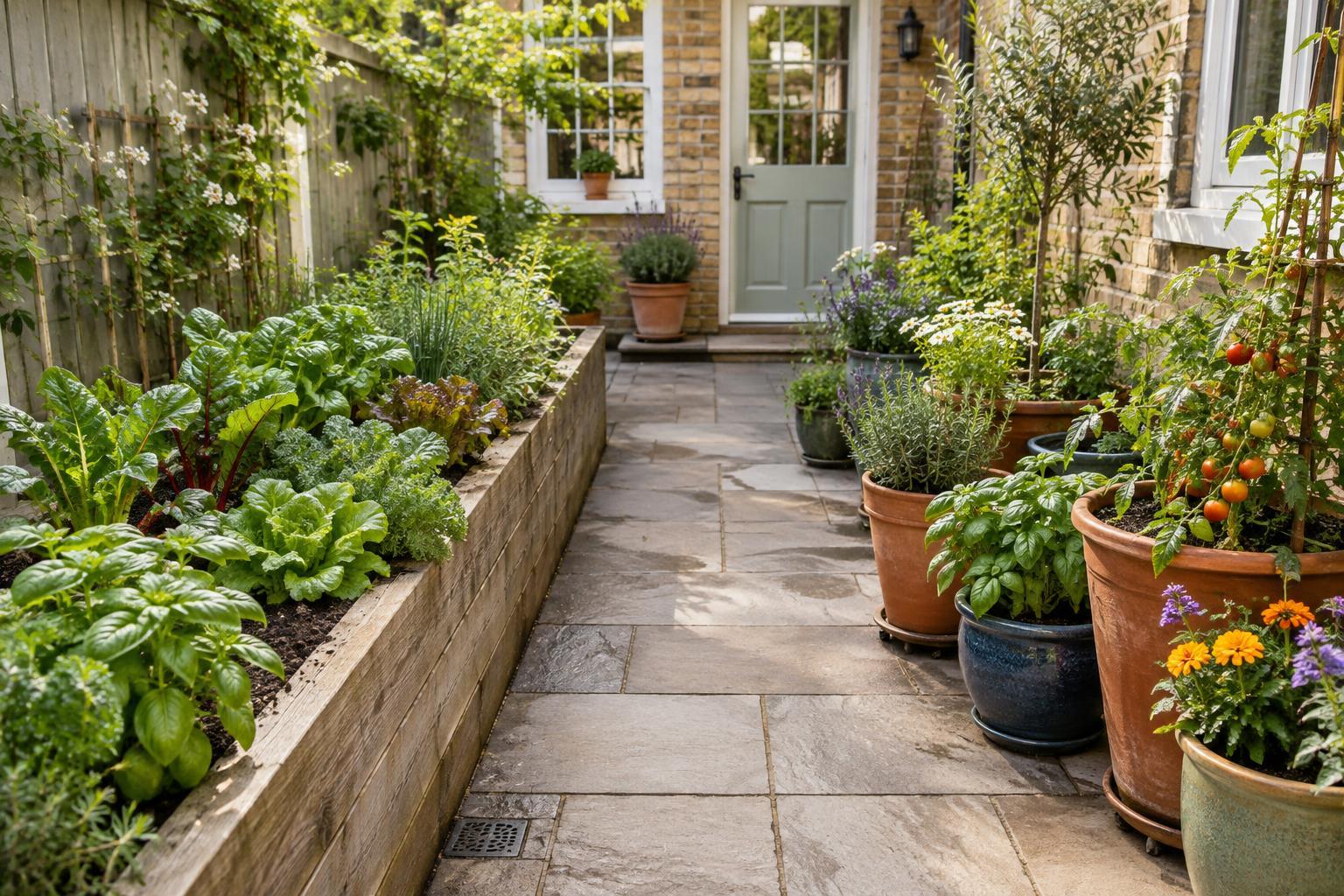
The last mistake often appears after the initial excitement: every available ledge is full, but pruning, harvesting and watering take more time than expected. A small garden works best when you can reach the back row, spot a struggling plant and clean up fallen leaves. Leave a clear path, keep frequently used herbs close at hand and avoid placing pots where runoff will create a nuisance.
Begin with a manageable group of plants and add more only after you know how much care the space requires. Make a quick weekly check for dry soil, damaged growth and plants outgrowing their pots. As seasons change, reassess light and exposure rather than assuming the arrangement will always work. A successful small-space garden is not the one with the most pots; it is the one you can enjoy and care for comfortably.