Start with the potting mix, not the calendar
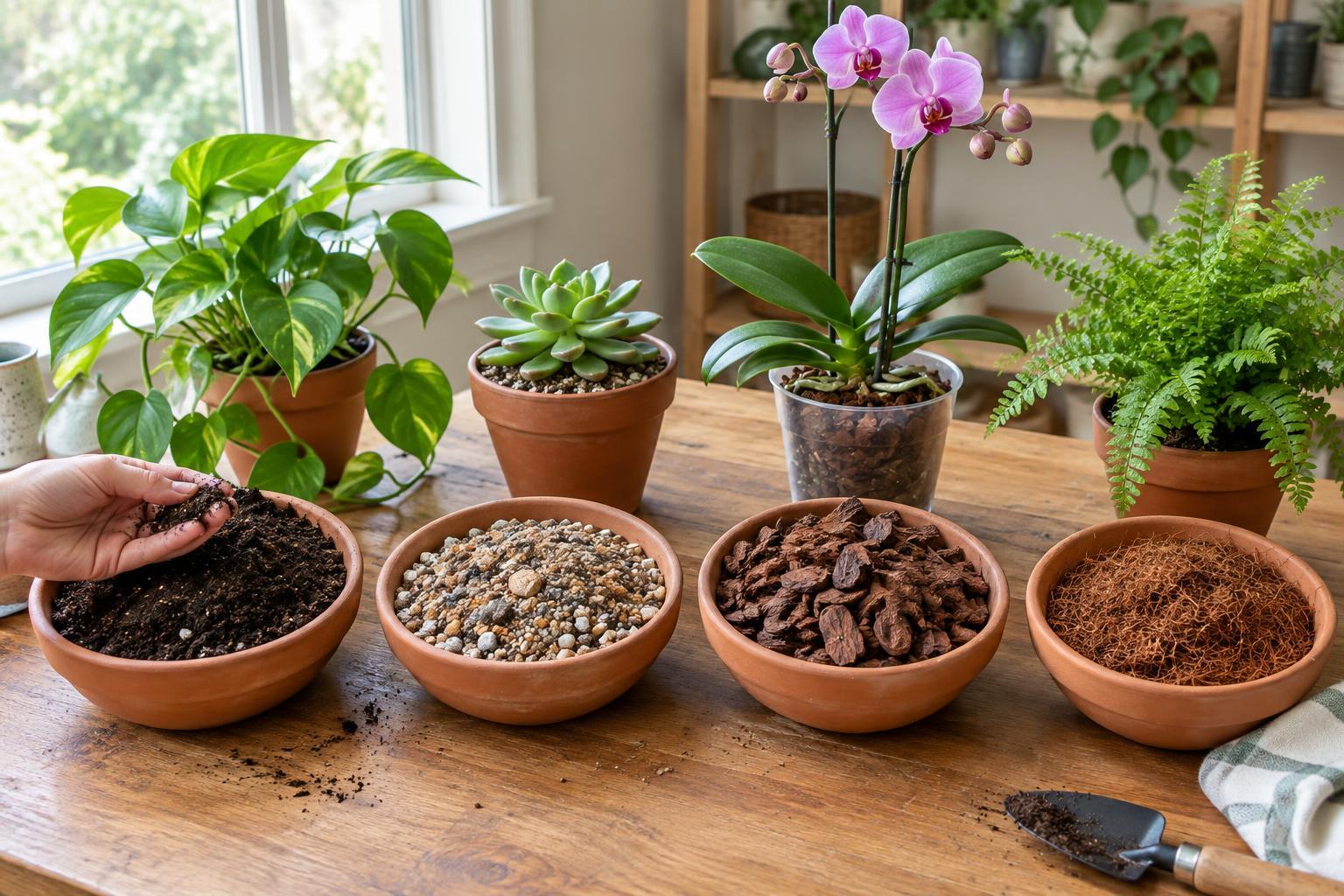
A weekly watering reminder can help you remember to look at your plants, but it should not make the decision for you. The same pot may dry at different speeds as light, room temperature, airflow, and plant growth change. Pot size and potting mix matter too. A small plant in a roomy pot can sit in damp mix longer than you might expect, while a leafy plant in a snug pot may use water quickly.
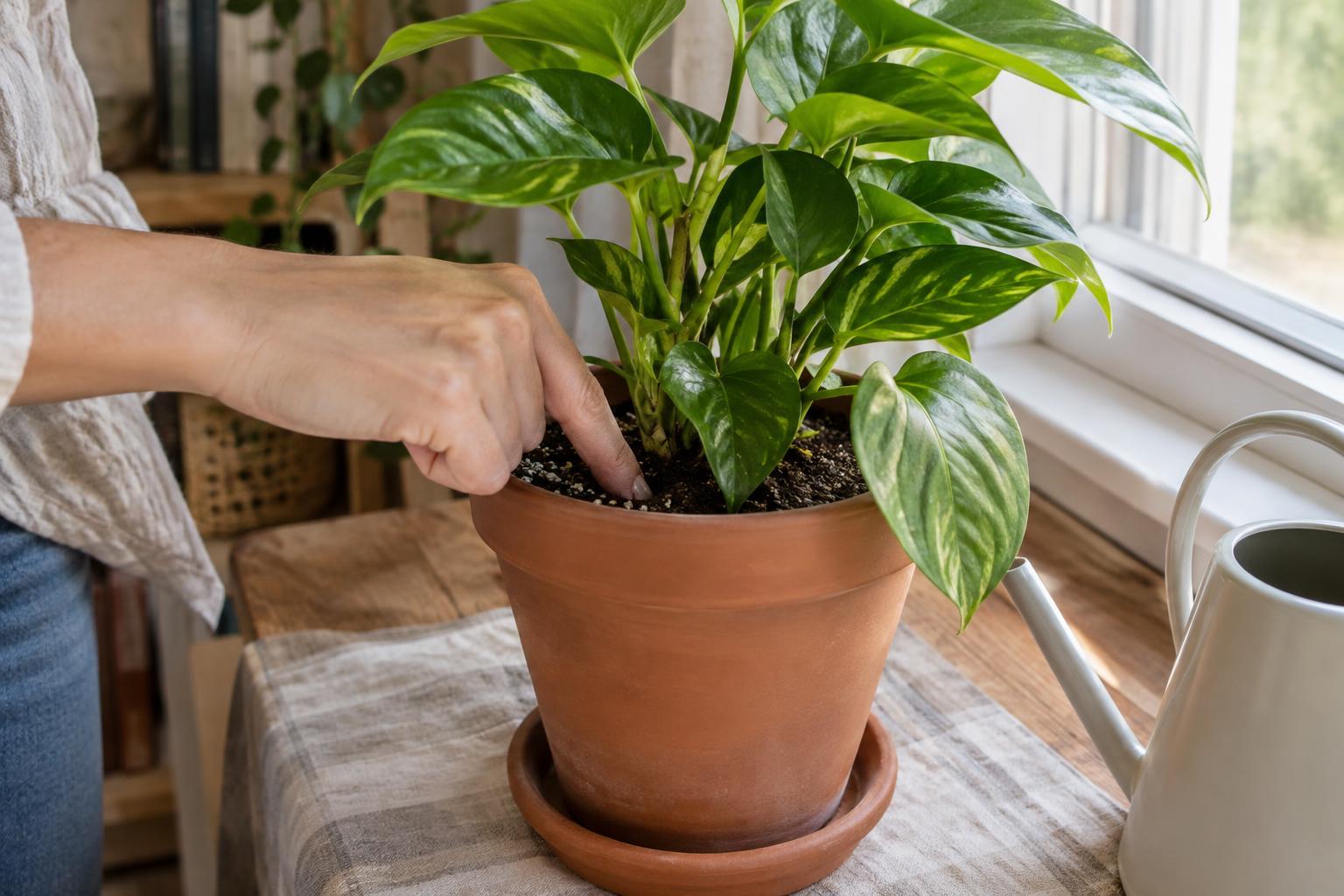
Before reaching for the watering can, put a finger into the mix. If the surface is dry but the mix beneath it still feels cool and moist, wait and check again later. For a deeper pot, a clean wooden stick can help: insert it gently away from the main stem, then pull it out and feel whether damp mix clings to it. These checks are more useful than judging the surface alone, which can dry while the lower roots remain wet.
Learn what a dry pot feels like
Lifting the pot is another quick check. Pick it up shortly after a thorough watering, then lift it again as it dries over the following days. The difference becomes easier to recognize with practice. This works especially well with smaller pots; for a large or heavy planter, use a finger or stick instead.
Look at the whole plant alongside the mix. Leaves that lose firmness, curl, or hang lower than usual can be signs of thirst, particularly if the mix also feels dry. Some plants recover their shape after watering, but it is better not to wait for dramatic wilting every time. Repeatedly letting a plant become very dry can stress it, and a severely dried-out mix may initially resist water.
Do not mistake every droop for thirst
A drooping plant may have too little water, but it may also be sitting in mix that has stayed wet for too long. When roots remain in poorly aerated, soggy conditions, they may struggle to take up water. That is why adding more water to a drooping plant without checking the pot can make matters worse.
Yellowing leaves, soft stems, or a persistently damp pot can point toward excess moisture, though no single leaf tells the whole story. Older leaves can yellow as part of normal growth, and a plant may react to a change in light or location. Check the mix below the surface, make sure the pot can drain, and notice whether the plant is changing gradually or all at once. If the mix is still wet, give it time to dry to a level appropriate for that plant before watering again.
Match the decision to the plant
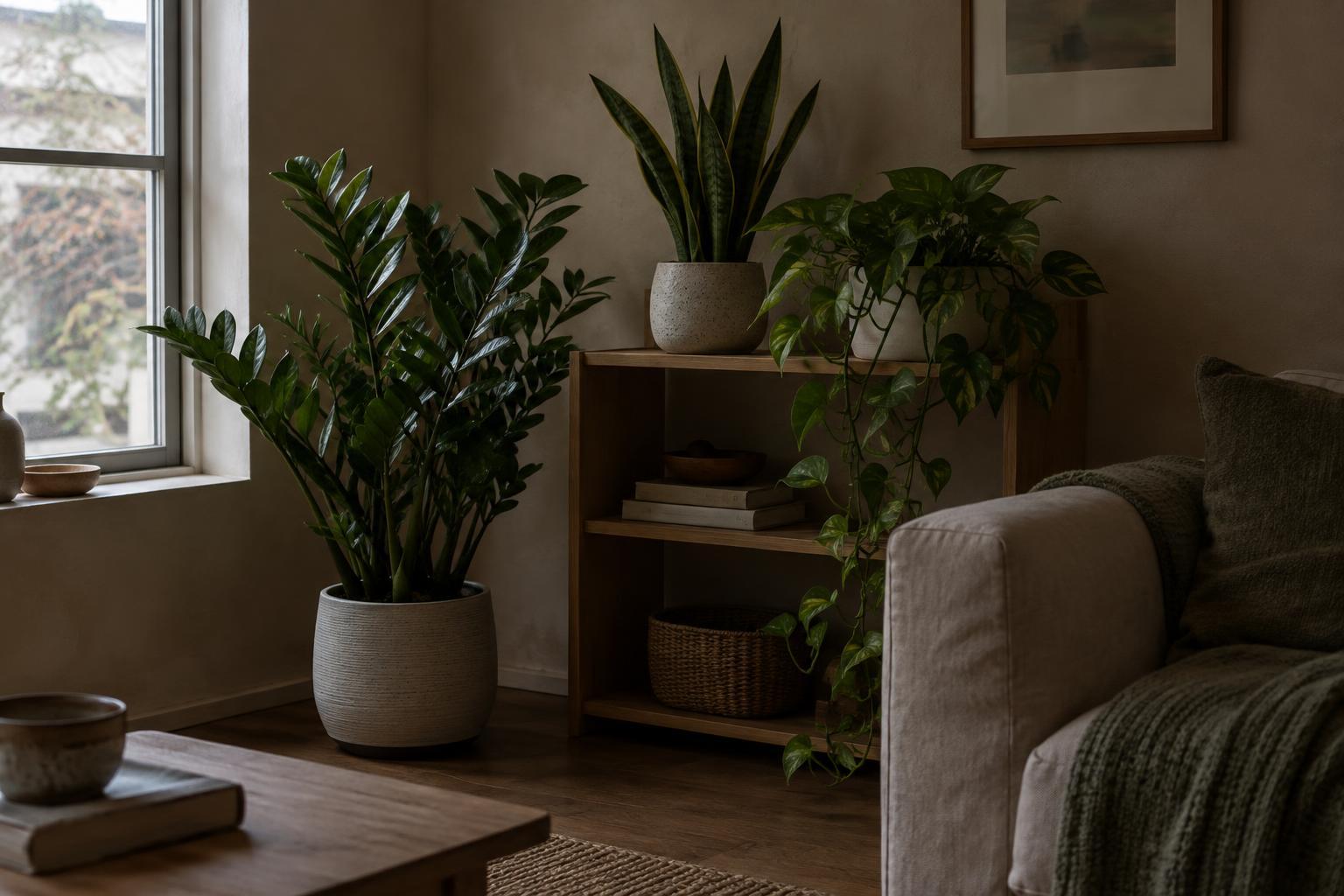
Not every houseplant wants the same pause between drinks. Many tropical foliage plants do well when the upper part of the mix has dried but some moisture remains farther down. Succulents and cacti generally need the mix to dry more thoroughly between waterings. Treat these as starting points rather than fixed rules: a plant’s roots, container, and growing conditions all affect how quickly it uses water.
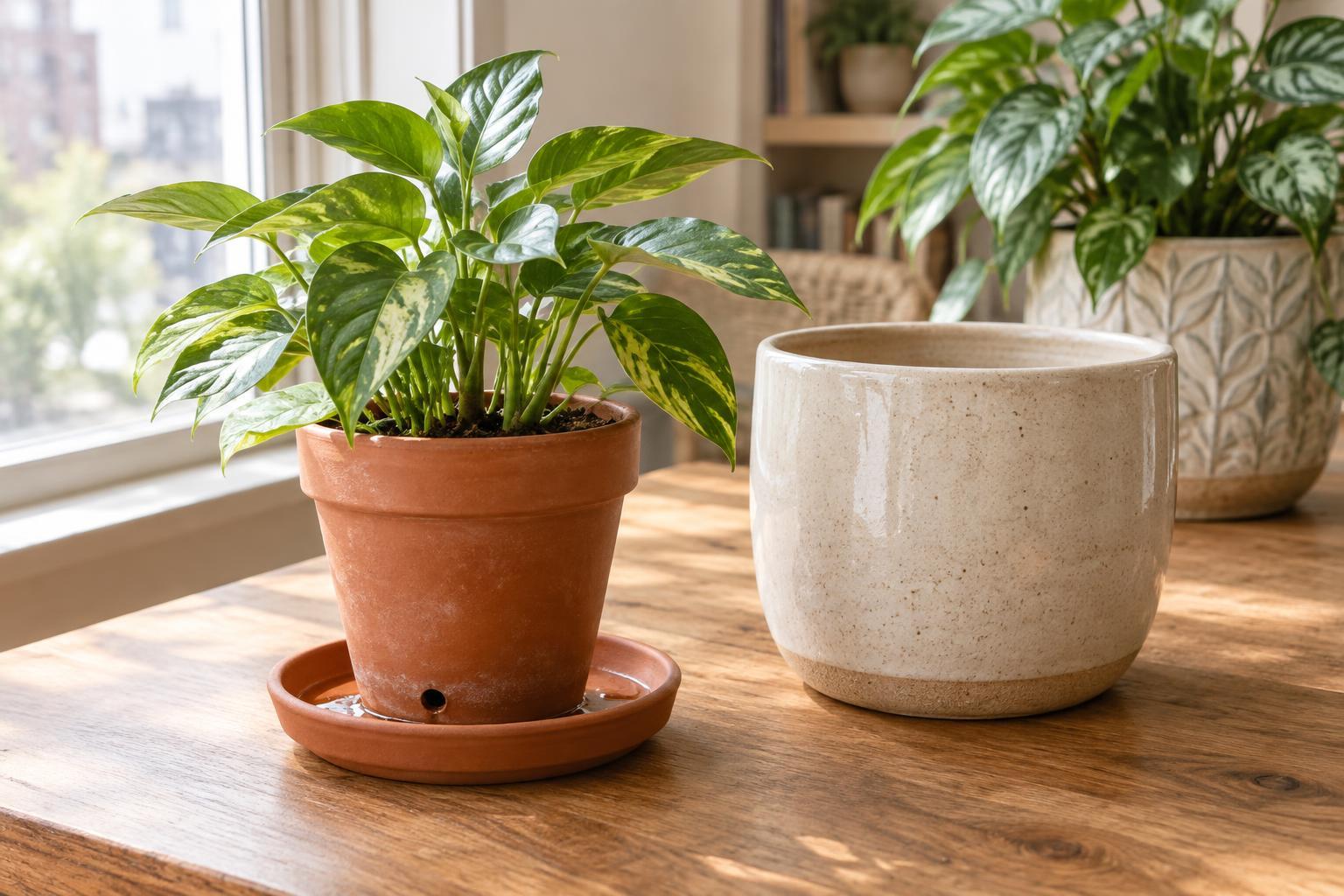
The pot also changes what you can observe. Drainage holes let excess water leave and make thorough watering easier to manage. A decorative outer pot can hide water collected at the bottom, so check it after watering and empty any standing water. If a plant lives in a pot without a drainage hole, it is harder to tell how wet the lowest layer remains; consider moving it into a draining inner pot that fits inside the decorative container.
Water thoroughly, then check again
When the mix has reached the right level of dryness for your plant, water slowly across its surface rather than pouring everything beside the stem. In a pot with drainage holes, continue until water begins to come through the bottom, then let the pot drain. Discard water left in the saucer or outer pot so the roots are not sitting in it. If water runs straight through a very dry pot, add it more slowly in a few passes so the mix has a chance to absorb it.
Afterward, note how the pot feels and how the leaves look. At your next check, compare what you see with what you remember. A simple routine—feel the mix, lift the pot if practical, glance at the leaves, and water only when those clues agree—will teach you more about your particular plant than a rigid schedule can.