Start with the part you can touch
A natural-looking furnishing is not necessarily made from one material. A cushion might have a linen cover, a polyester lining and foam filling. A table might pair a wood veneer with an engineered-wood core. None of these combinations is automatically a problem, but knowing what each part contains makes it easier to choose something that suits your room and your expectations.
Before reading a label, name the part you care about: the upholstery surface, cushion insert, rug pile, rug backing or tabletop. Then check whether the material description applies to that part or to the whole item. Product descriptions often lead with the most visible material; specifications, sewn-in tags and packaging may give a fuller breakdown.
Read textile percentages literally
On textiles, words such as cotton, linen, wool and silk identify natural fibers. Polyester, nylon, acrylic and polypropylene identify synthetic fibers. Viscose and lyocell are made from processed plant cellulose, so they do not fit neatly into a simple natural-versus-synthetic choice. If a label says “55% linen, 45% polyester,” it describes a blend, not pure linen. Check whether those percentages refer to the outer fabric rather than the entire cushion or chair.
Look closely at phrases that stop short of identifying the full material. “Linen look” describes an appearance, while “cotton-rich” does not tell you the exact cotton content. “Wool rug” may refer to the pile even when the backing uses another fiber. If a listing provides only a headline material, ask for the composition of each layer that matters to you. A blend can be a sensible choice for durability or ease of care; the useful distinction is whether it is disclosed clearly.
Check what is underneath and behind
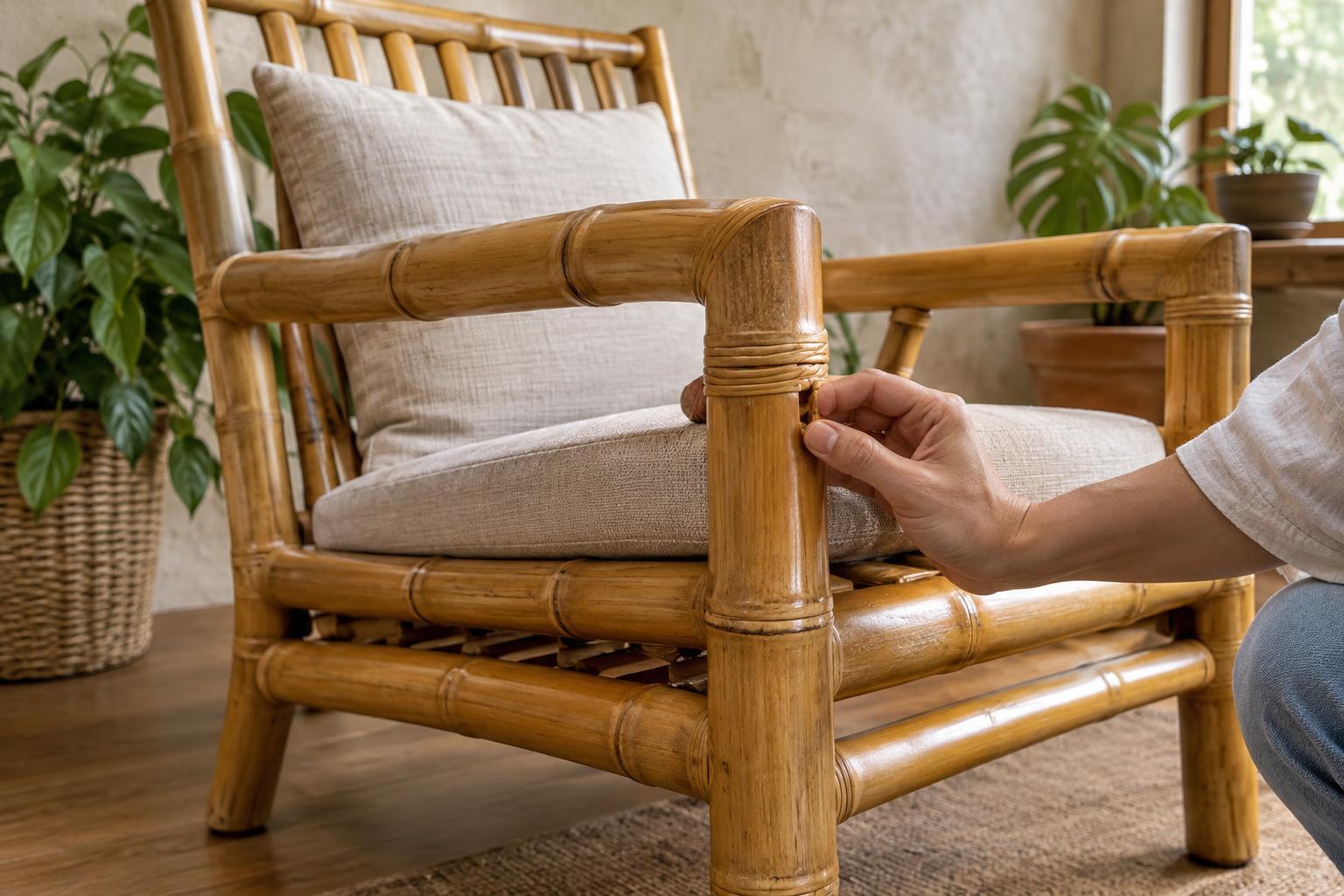
For upholstered furniture, the fabric label is only one piece of the picture. Look separately for details about seat filling, cushion wrap, lining, frame and webbing. A cotton or linen cover may surround polyurethane foam or a polyester-filled insert. For rugs, the pile can differ from the foundation, backing or non-slip coating. These less visible materials can affect how an item feels, cleans and wears.
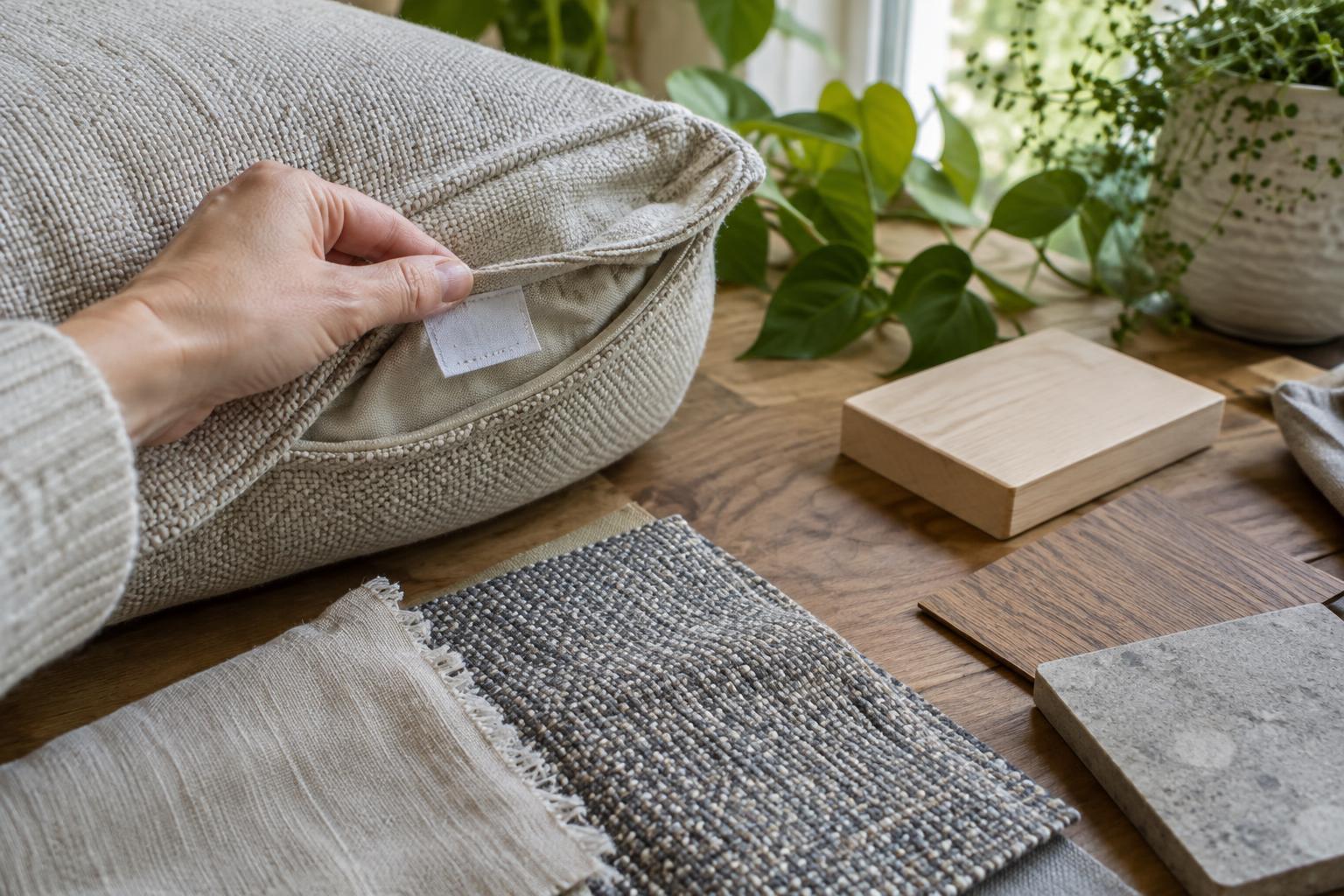
Removable covers and inserts are especially worth checking separately. If you want a particular fiber against your skin, focus on the cover. If you want to avoid a certain filling, the cover composition will not answer that question. When information is missing, a precise question—“What is the cushion core made of?”—is more useful than asking whether a sofa is “natural.”
Decode wood, stone and surface descriptions
Furniture labels can describe either a surface or a structure. “Solid oak” suggests oak is used through the named component, whereas “oak veneer” means a thin oak layer is applied over a core. That core may be plywood, particleboard or another engineered material. “Wood finish” may describe a color or visual effect rather than wood content. Check the top, legs, shelves and frame individually: a piece may combine solid wood and veneer.
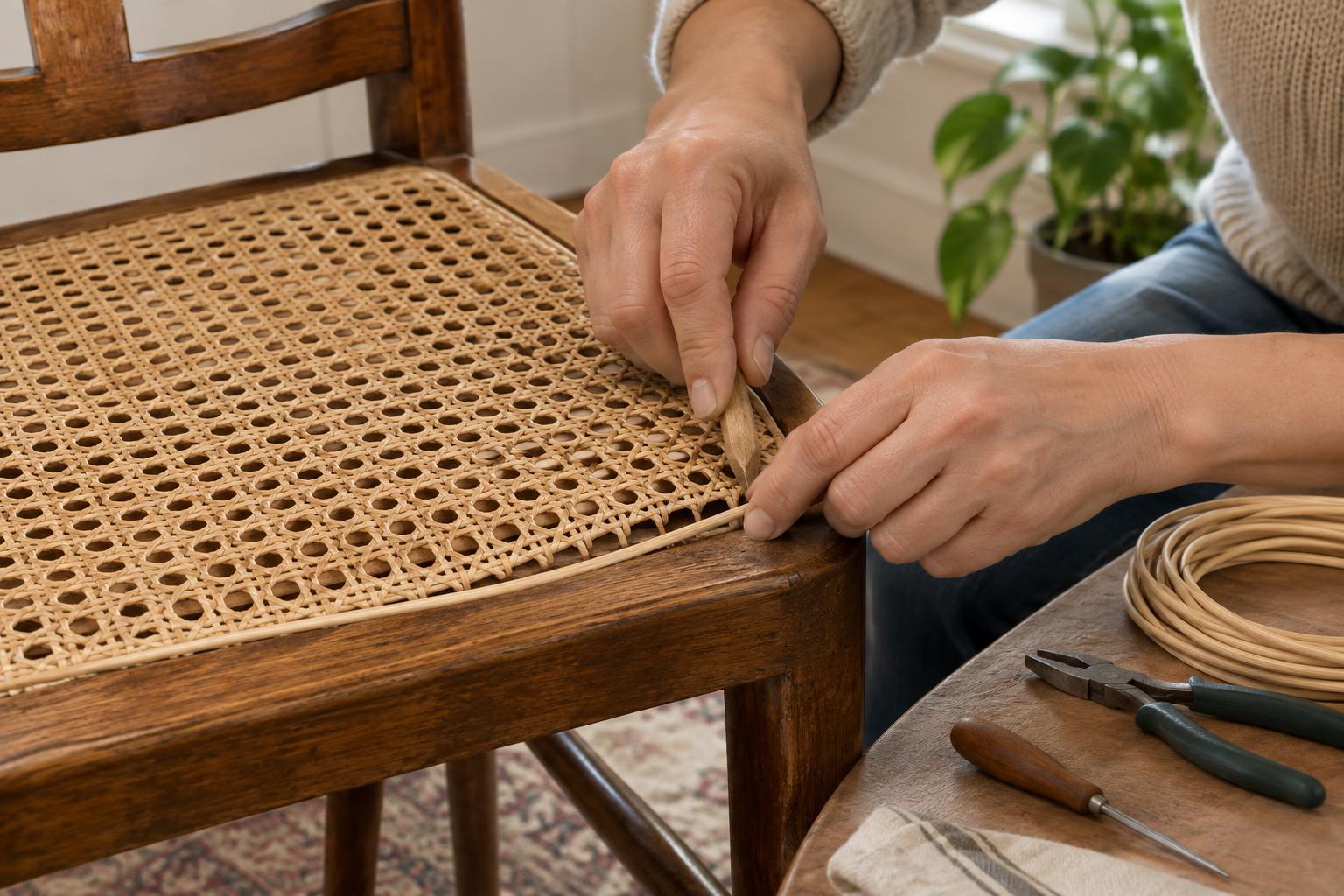
The same surface-versus-core question helps with stone and woven-look pieces. A stone-look top may be laminate or a composite, while a stone veneer uses a thin layer of stone over another base. “Rattan effect” or “wicker look” may describe the weave’s appearance rather than its fiber; some outdoor pieces use synthetic strands. If the listing is vague, ask what the visible surface is made from, what supports it and whether a coating has been applied.
Make a short comparison before you buy
Keep a simple note for each item: visible material, inner material, backing or core, and finish. Add any care instructions, since a beautiful material is only practical if you can maintain it in the spot you have chosen. A washable cotton cover might suit a busy dining nook; a mixed-fiber rug might be easier to live with near an outside door. Your priorities, rather than a blanket rule about natural or synthetic materials, should guide the choice.
When shopping in person, photograph the tag and check the underside, zipper opening or removable insert where appropriate. Online, compare the main description with the detailed specifications and ask about anything left unnamed. The goal is not to find an item made from one perfect material. It is to understand what you are bringing home, including the layers you cannot see at first glance.