Start with a close look
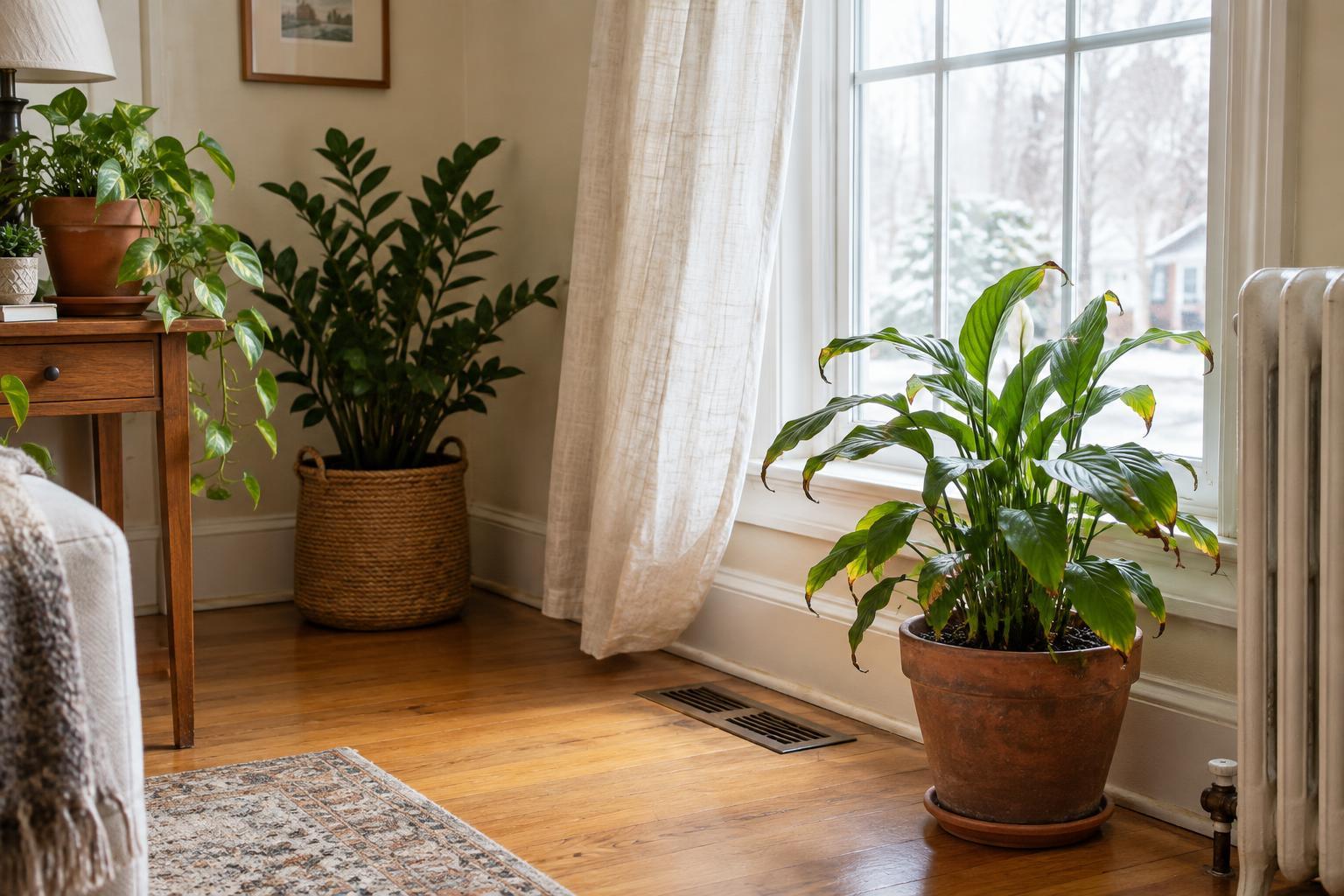
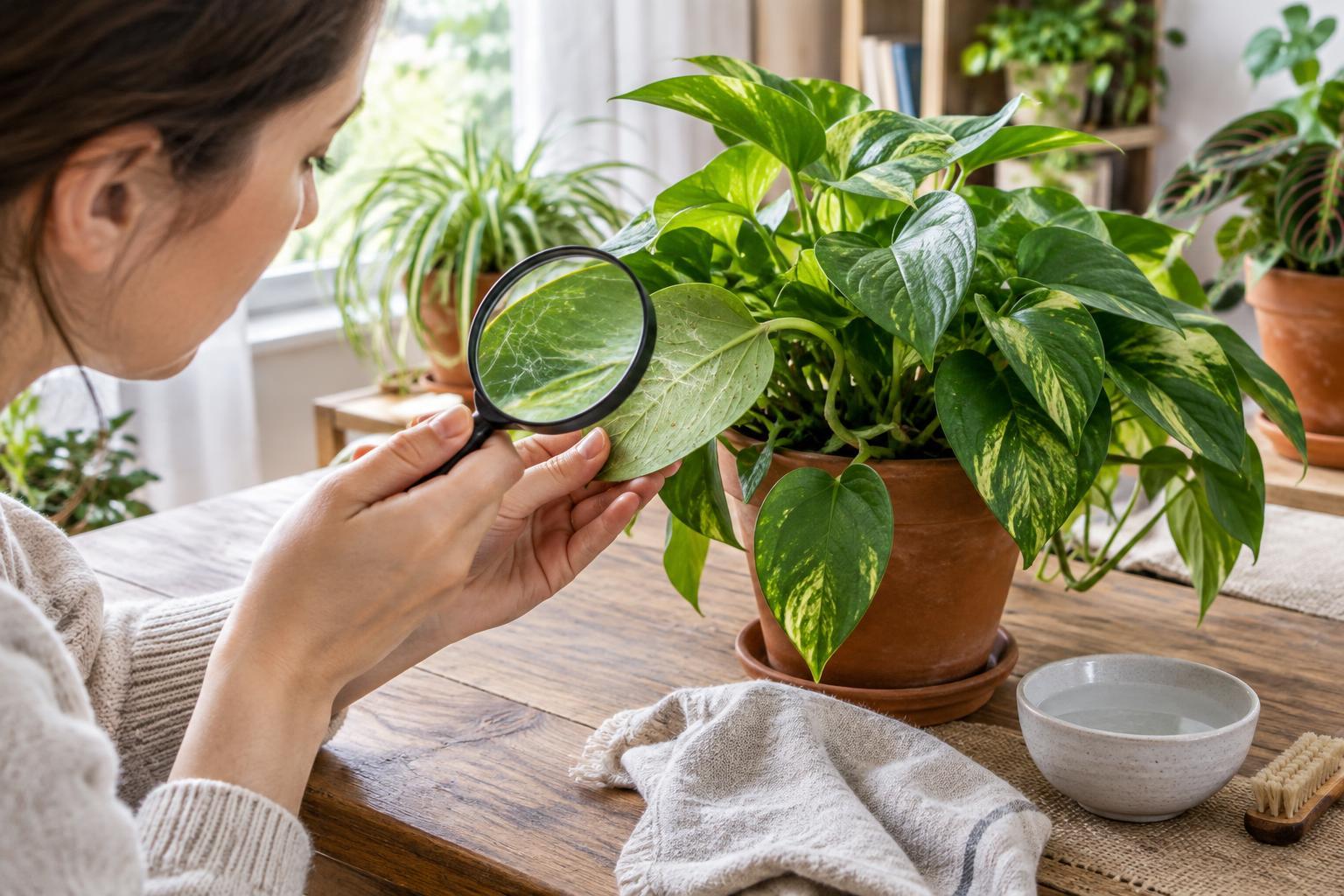
A yellow leaf does not always mean a pest is present. Changes in watering, light or temperature can look similar at first. Before treating a plant, inspect the undersides of leaves, leaf joints, new growth, stems and soil surface. Use a bright light and, if you have one, a magnifying glass. Check nearby plants too: pests can be easy to miss until their numbers grow.
Look for both insects and the marks they leave. Sticky residue, pale speckles, distorted new leaves, fine webbing or small bumps attached to stems are useful clues. If you find a likely pest, move the affected plant away from the rest of your collection while you identify it. Isolation gives you room to work and makes it easier to see whether the problem is spreading.
Match the clues to common pests
Mealybugs look like small white, cottony clusters, often tucked into leaf joints. Scale insects usually appear as firm, rounded or flat bumps on stems and leaves. Both can leave sticky residue behind. Aphids are soft-bodied insects that often gather on tender new growth; they may be green, black or other colors. Check crowded tips and the undersides of young leaves for groups of them.
Spider mites are difficult to see without magnification, but their feeding can leave leaves finely speckled or dull. Fine webbing, especially around leaf edges or joints, is another clue. Thrips are slender insects that can move quickly; affected leaves may show pale, silvery-looking patches or distorted growth. Shake a suspect leaf gently over white paper to make small moving insects easier to spot.
Fungus gnats are small, dark flies often noticed hovering near potting mix. Their presence calls for a different approach from pests living on leaves. A few flying insects can be annoying, but first check whether the mix stays wet for long periods. No single symptom proves an identification, so use several clues before choosing what to do.
Remove what you can before reaching for a treatment
For a light infestation, start by physically removing pests. Prune a heavily affected leaf or stem if the plant can spare it, then dispose of the cuttings promptly. Wipe visible mealybugs or scale from reachable areas with a damp cloth or cotton swab. A gentle rinse can dislodge aphids and some other exposed pests. Support delicate leaves, keep the water pressure low and let the plant drain well afterward.
Clean around the pot as well as the plant. Remove fallen leaves from the soil surface, wipe the windowsill or shelf, and inspect plants that were touching the affected one. For fungus gnats, allow the upper layer of potting mix to dry between waterings when that suits the plant’s needs, and empty water left standing in saucers. Yellow sticky traps can help you monitor adult gnats, though they do not address what is happening in the mix.
If removal and cleaning are not enough, choose a product labeled for the pest and for indoor use on your type of plant. Follow its directions, including any precautions for people and pets. Test a small area first, because some plants react poorly to sprays. Avoid applying sprays to a plant in strong direct sun or combining products unless their labels specifically permit it.
Repeat your checks and adjust plant care
One cleaning rarely settles an established infestation. Inspect the plant every few days, concentrating on the places where you first found pests and on fresh growth. Remove anything newly visible and repeat any product application only as directed on its label. Keep the plant separate until repeated checks show no new activity. If a plant remains badly affected despite sustained care, letting it go may be the simplest way to protect nearby plants.
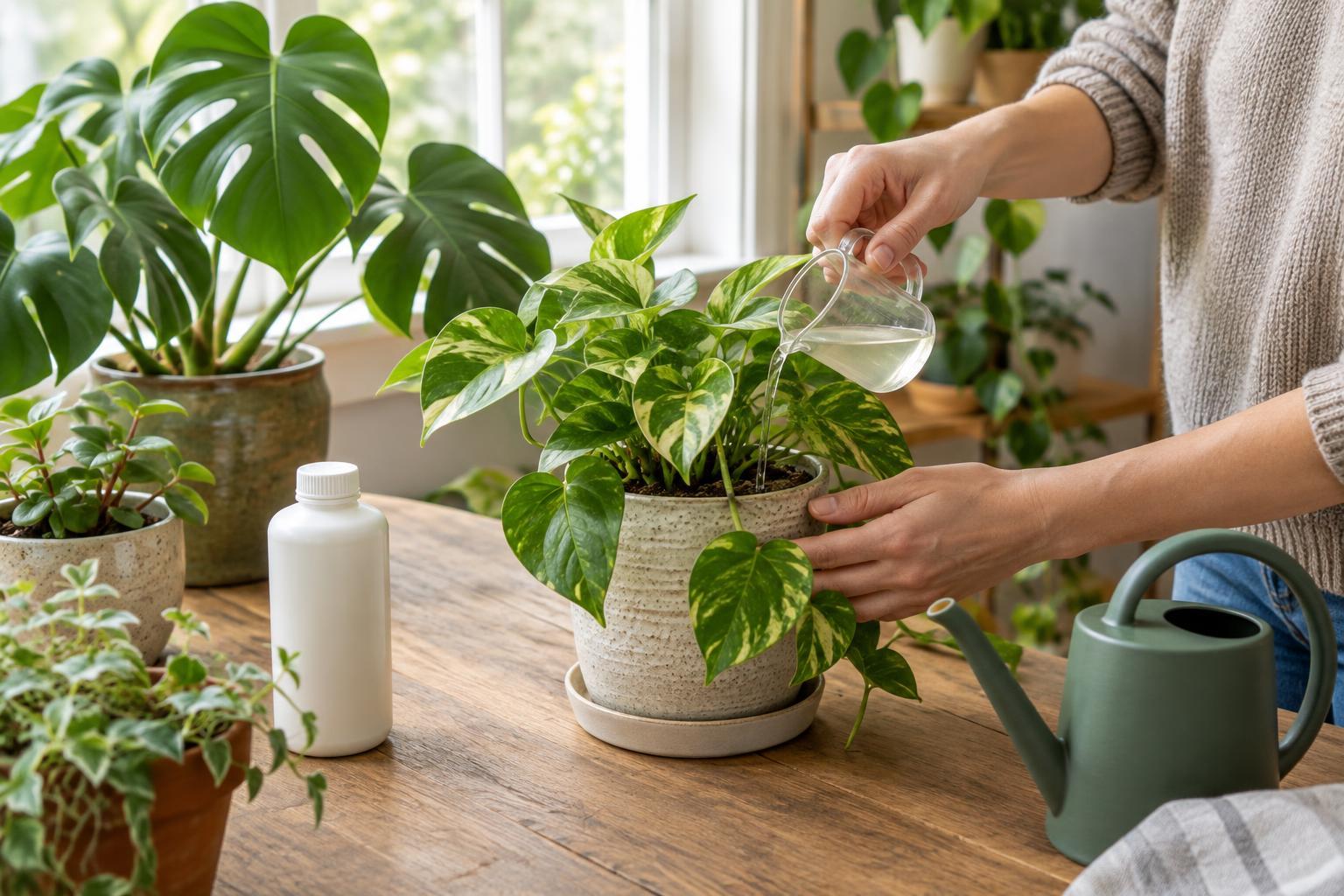
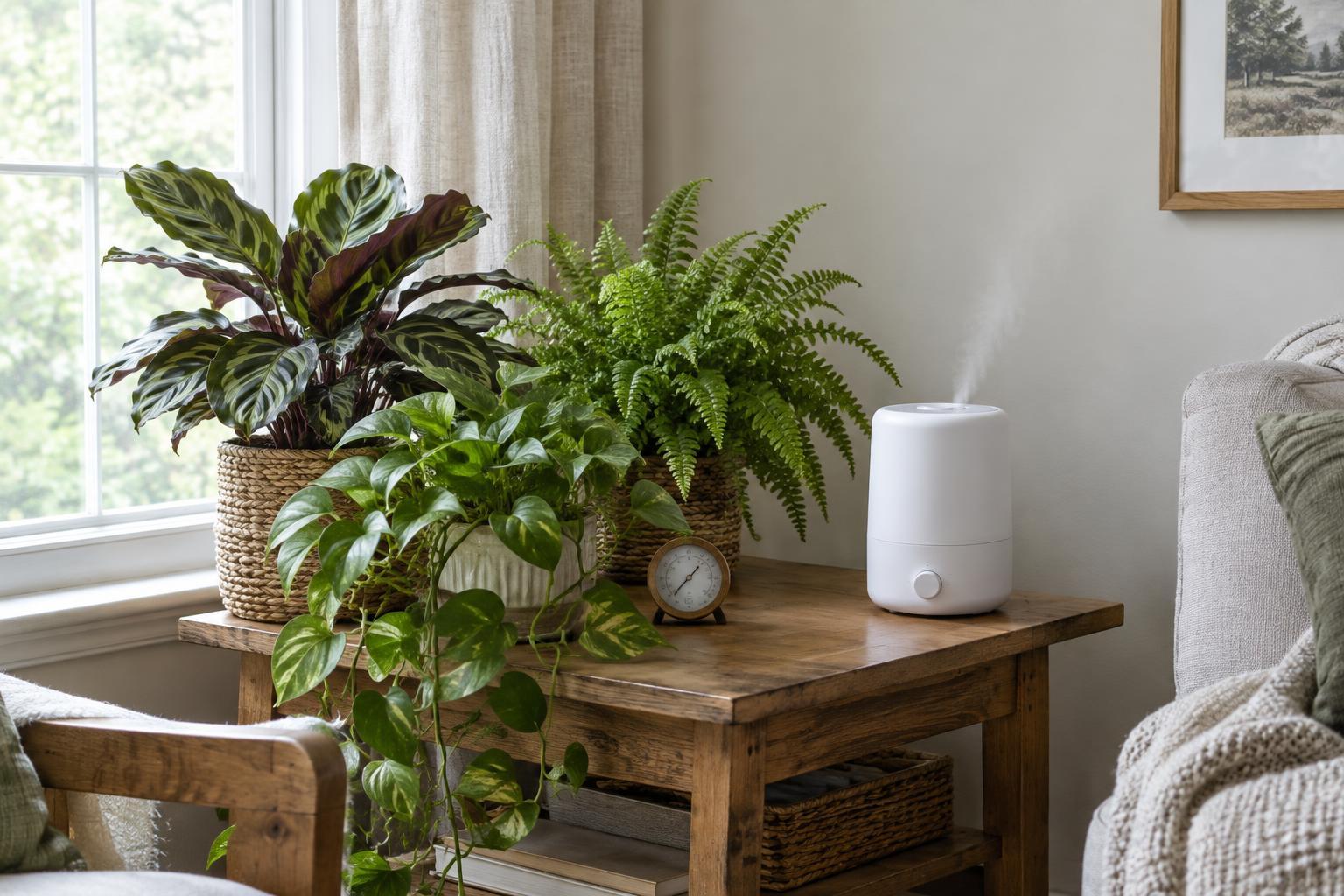
Good growing conditions will not guarantee a pest-free home, but they make plants easier to inspect and care for. Give each plant light and water appropriate to its needs, clear away dead foliage, and leave enough space between pots to see the leaves and stems. Before adding a new plant to a display, inspect it closely and keep it apart for a while. A brief, regular look at your greenery is often more useful than waiting until damage becomes obvious.