Start with the space you have
You do not need a lawn or a row of raised beds to make room for pollinators. A small group of flowering pots can give bees, butterflies and other visiting insects places to feed. Begin by watching your space for a day or two. Note where direct sun falls, whether the spot is windy and how easily you can reach it with a watering can. These observations will help you choose plants that can thrive there rather than simply look good on a label.
Three or four containers are enough for a useful start. Choose pots with drainage holes and room for roots to grow; a larger pot will generally dry out more slowly than a tiny one. If you garden on a balcony, check that pots are secure and that water can drain without spilling onto the space below. On a narrow doorstep, keep the route clear. A garden that fits comfortably into daily life is easier to maintain.
Choose flowers for the whole growing season
Aim for a succession of blooms instead of buying everything at its peak on the same day. One pot might hold an early-flowering plant, another a summer bloomer and a third something that flowers later. Flowering times vary with climate and variety, so use plant labels or local nursery advice to build a mix suited to your area. Including plants native to your region, where practical, can be a good way to support local insects.
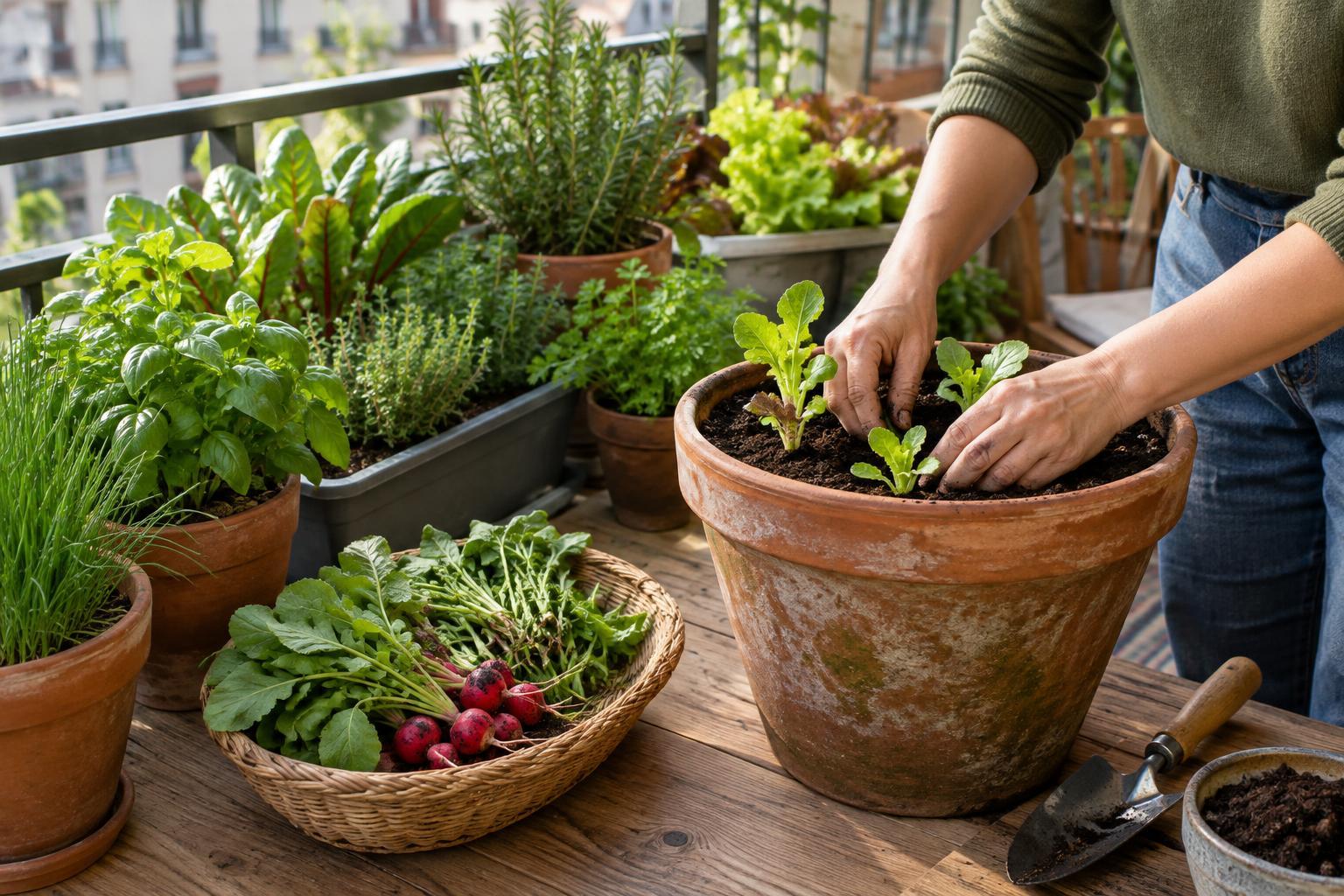
Look for flowers with accessible centers as well as color you enjoy. Simple, open blooms often make it easier for insects to reach pollen and nectar than densely doubled flowers. Flowering herbs can be especially handy in a small space: chives, thyme and oregano can offer blooms if you allow some stems to flower. Choose herbs and ornamentals that match your light conditions, and keep in mind that a plant loved by pollinators still needs the right amount of sun and water to perform well.
Arrange a few pots to make them count
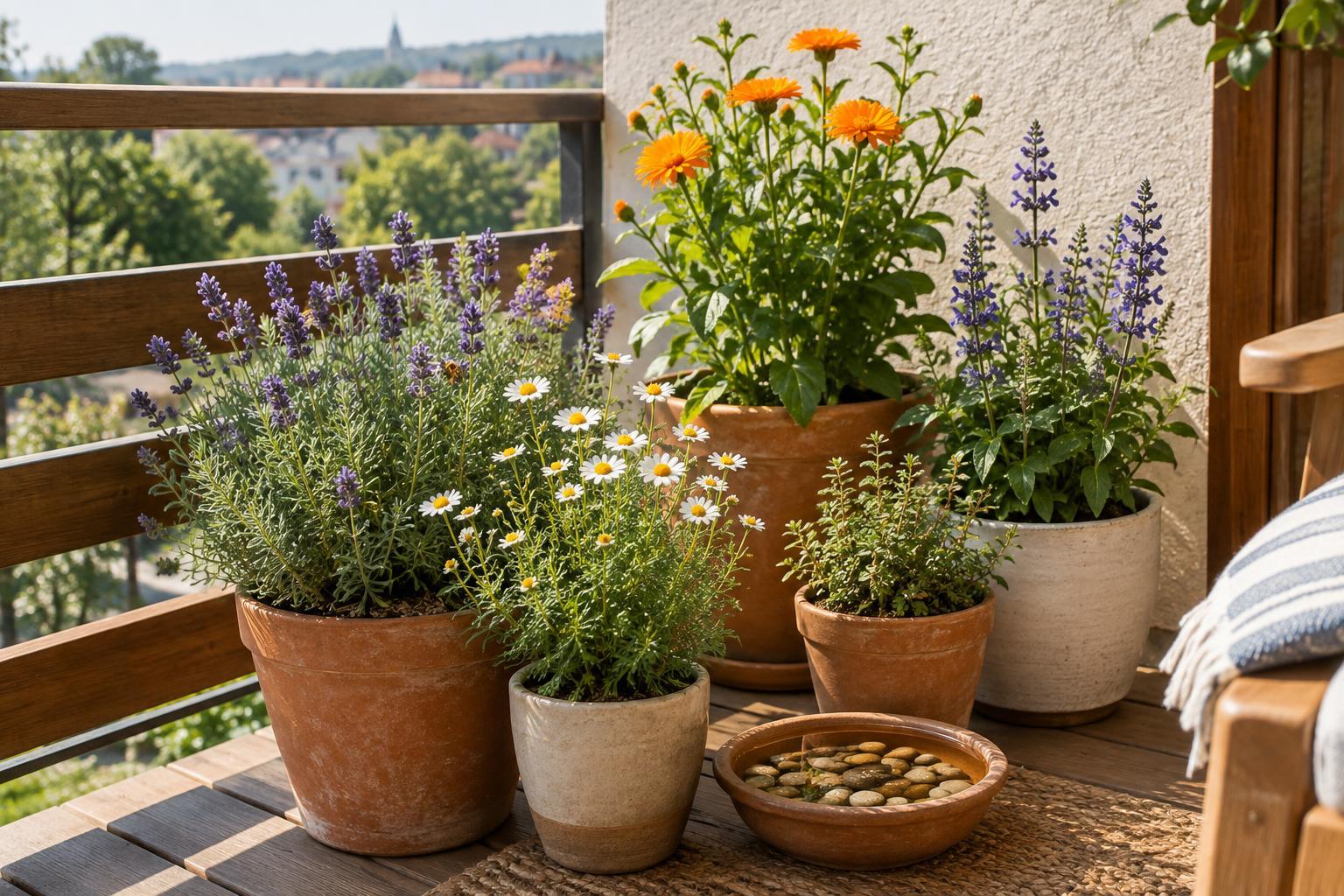
Place flowering pots close enough to read as one small planting, while leaving space to water and check each plant. You might put the tallest container at the back, a medium pot beside it and a low, spreading plant near the front. This arrangement keeps flowers visible and helps prevent one plant from shading all the others. If your space receives sun for only part of the day, position the sunniest pots where they get that light and choose shade-tolerant flowering plants for the rest.
There is no need to fill every inch. A little space around the pots makes it easier to spot dry soil, spent flowers or leaves that need attention. For a window ledge, use sturdy containers and secure them appropriately; a single well-placed planter is better than an unstable collection. Keep flowers away from areas where people brush past them constantly, so visiting insects can feed without being disturbed.
Offer water and care without overdoing it
Potted plants rely on you for water, especially in warm or windy weather. Check the soil with a finger rather than watering by the calendar: if the upper layer feels dry, water thoroughly and let excess drain away. Different plants may need different schedules, even when their pots sit side by side. Remove spent flowers where the plant benefits from it, but consider leaving a few seed heads if they add interest and the plant remains healthy.
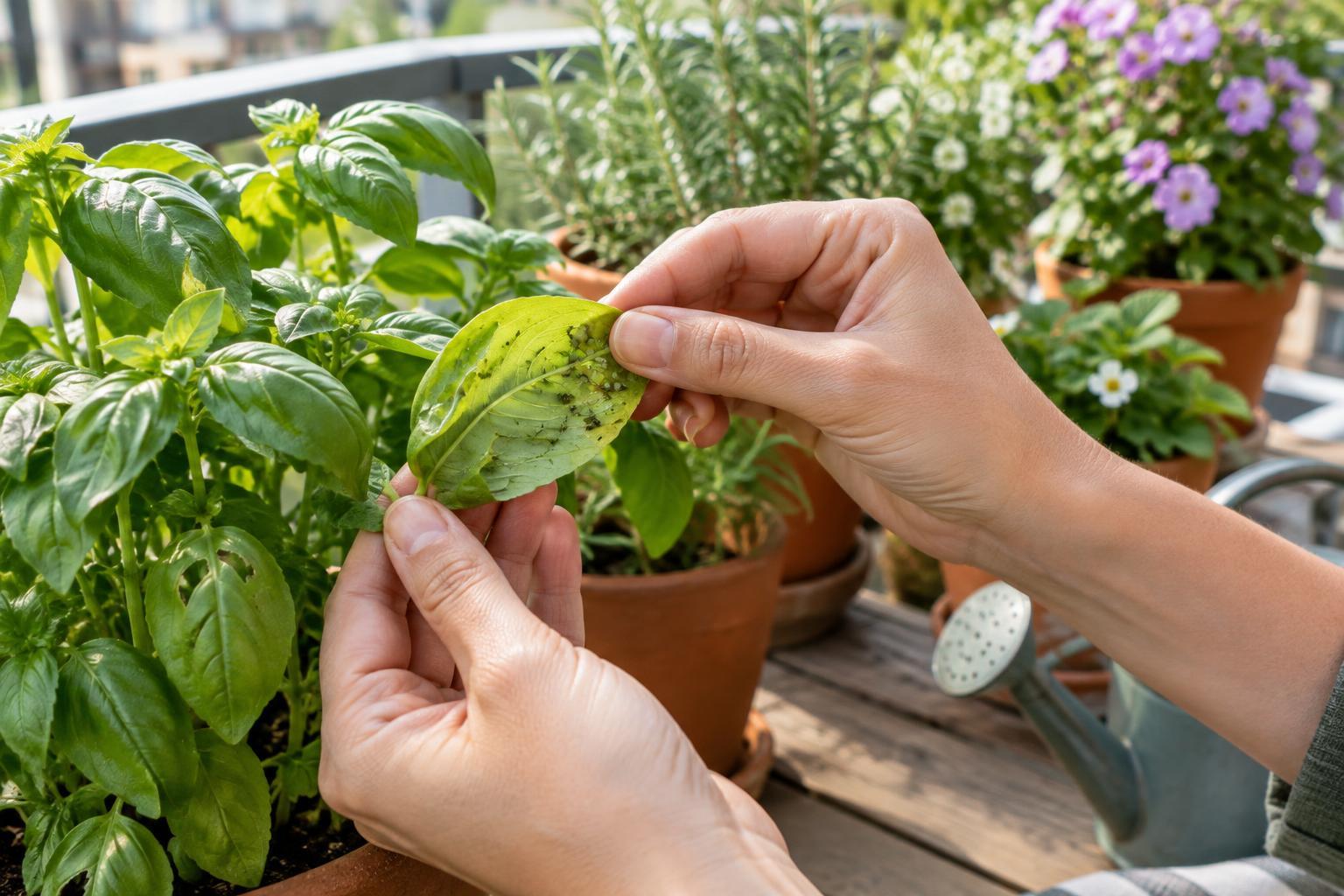
A shallow dish of water with stones or pebbles can provide places for insects to land, provided you can keep it clean and refill it. Change the water regularly, and do not leave standing water to stagnate. Avoid routine pesticide sprays in a pollinator planting. If a problem appears, identify it first, remove affected leaves when feasible and consider whether the plant can tolerate a little damage. Healthy, well-sited plants often need less intervention.
Let the garden develop over time
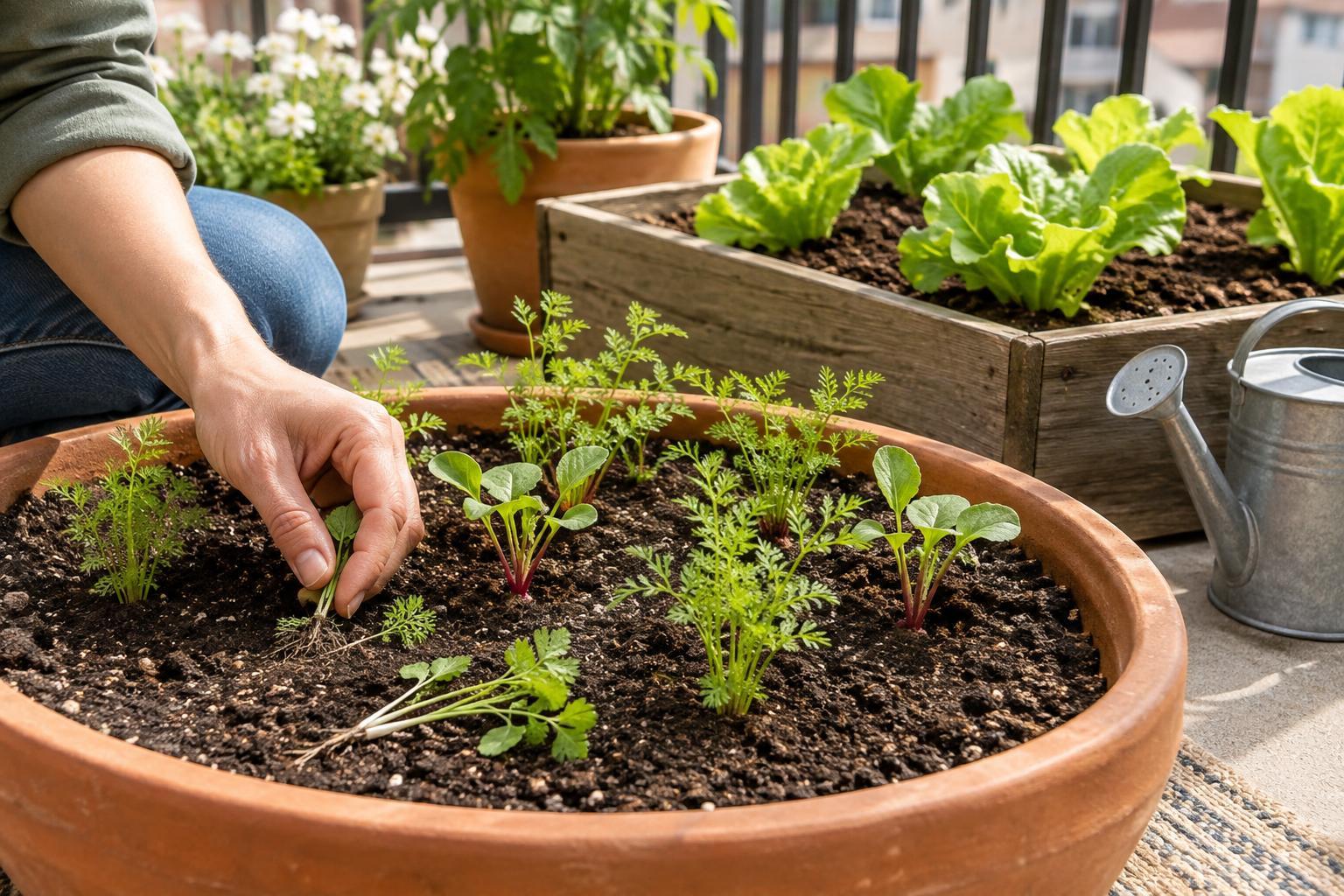
Your first set of pots does not have to be perfect. Watch which plants flower reliably, which ones visiting insects use and which containers dry out fastest. Next season, you can replace a struggling plant or add a flower that fills a gap between bloom periods. If a herb outgrows its pot, divide or repot it when appropriate for that plant.
A small pollinator-friendly garden works best as an ongoing project, not a one-time display. With a manageable number of pots, you can learn the habits of each plant and make gradual improvements. Even on a compact balcony or doorstep, a changing mix of flowers can bring the outdoors closer to home.