Why the temperature beside a plant matters
Houseplants experience the conditions around their leaves, roots and pots, not the average temperature shown on a thermostat. A plant on a windowsill may sit close to cold glass overnight and warm quickly in direct sun the next morning. Another plant, only a short distance away, may receive a stream of heated or cooled air whenever the ventilation system runs. These small pockets of different temperatures can matter more than the setting for the room as a whole.
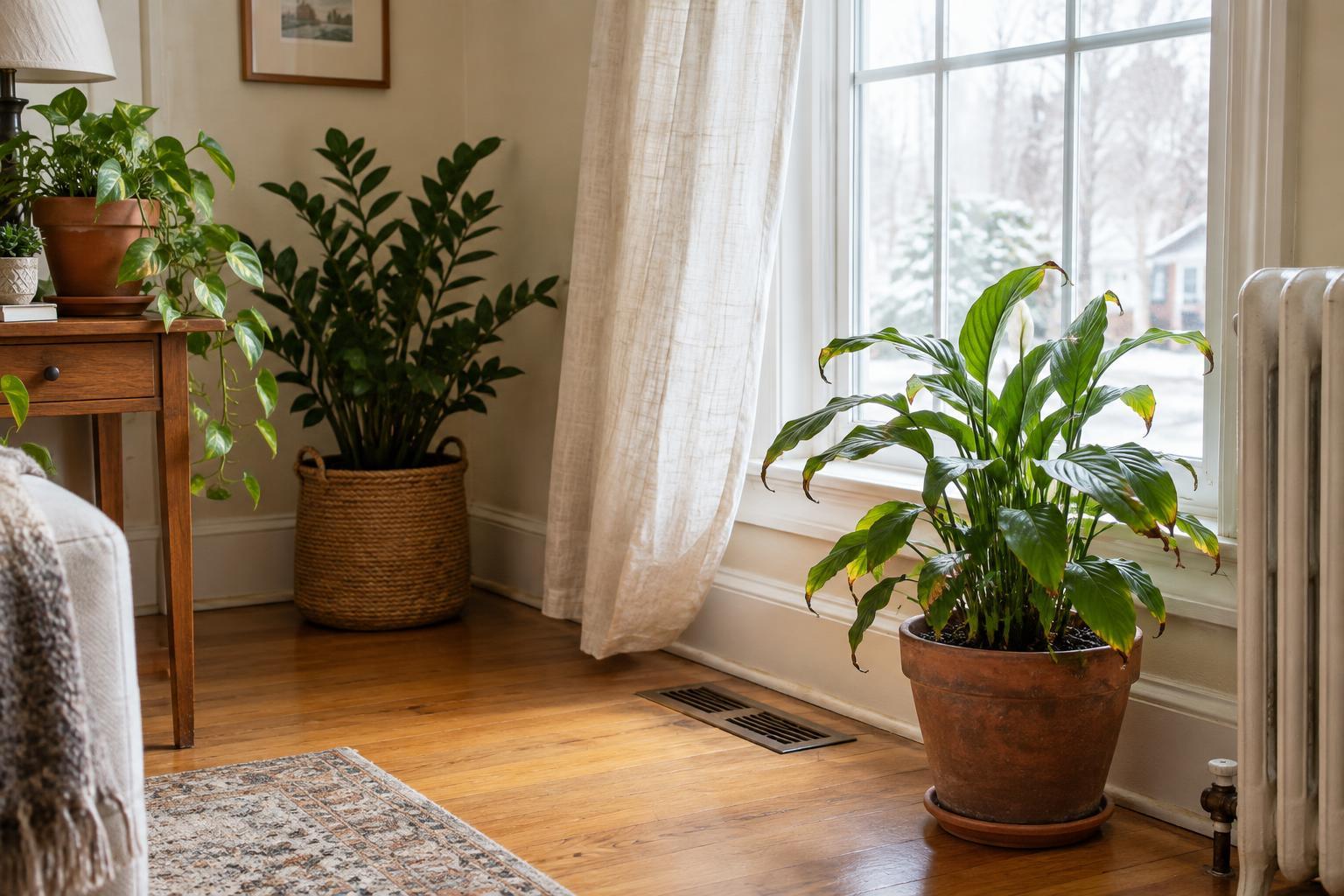
Many common houseplants do best in conditions that are reasonably steady, though their preferences vary. A change that is gentle for one species may trouble another. Rather than trying to keep every room at a perfect number, start by noticing where temperatures shift sharply. Windows, exterior doors, radiators, fireplaces and air vents are useful places to check.
What drafts and heat do to leaves and soil
A draft is a moving current of air. A brief breeze while a door opens is usually different from a plant sitting in the path of a vent for hours each day. Cold air can chill leaves, especially when they touch window glass or stand near a frequently opened door. Hot, dry air from a heater can make leaves lose moisture faster and can dry potting mix unevenly. Air-conditioning may bring both cooler air and a drying effect.
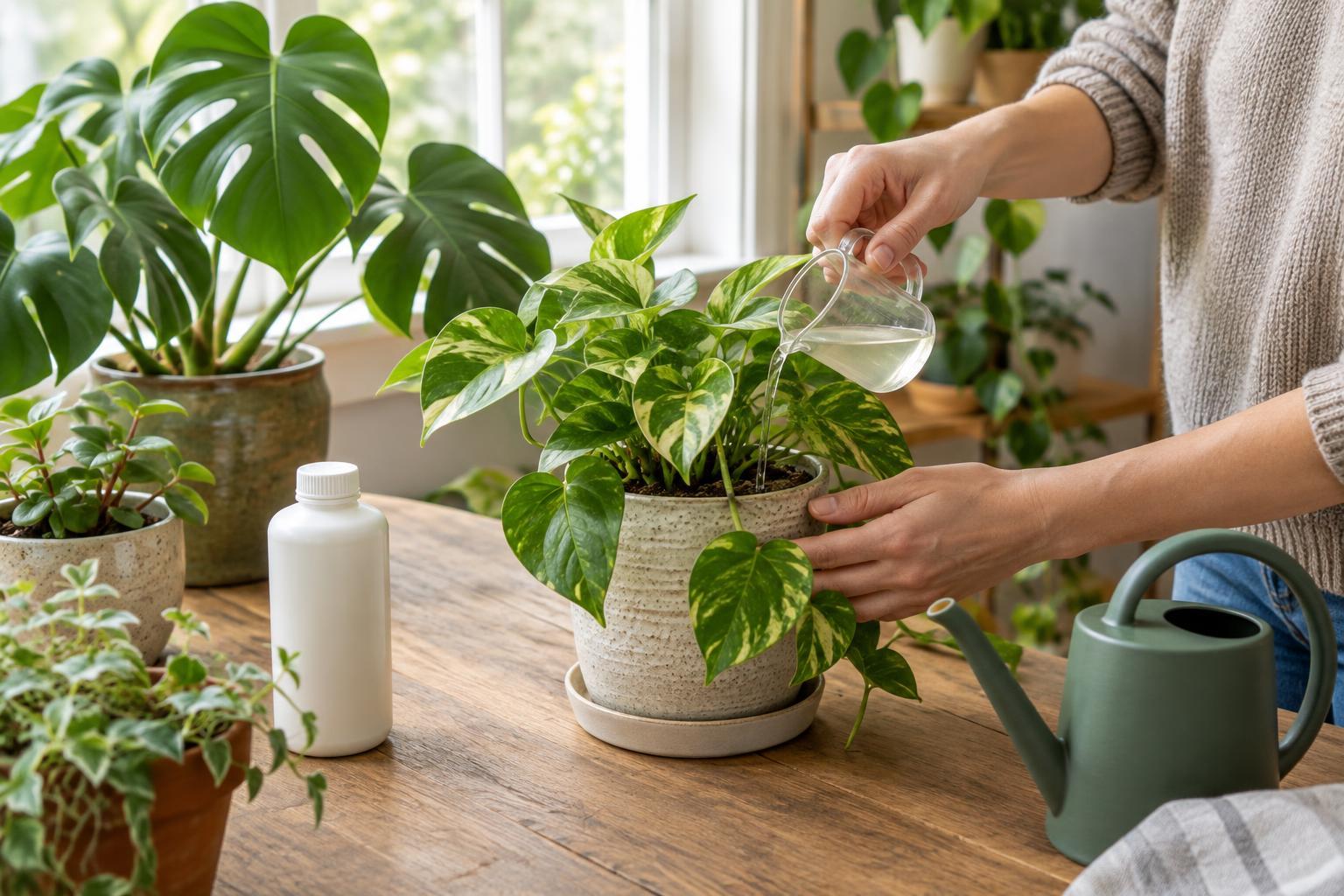
Temperature also changes how quickly a pot uses water. In a warm, bright spot, soil may dry sooner; in a cooler, dimmer spot, it may stay damp longer. That is why moving a plant away from a troublesome draft should prompt a fresh look at your watering routine. Check the potting mix before watering rather than keeping to the same schedule after a move.
Recognize stress without jumping to conclusions
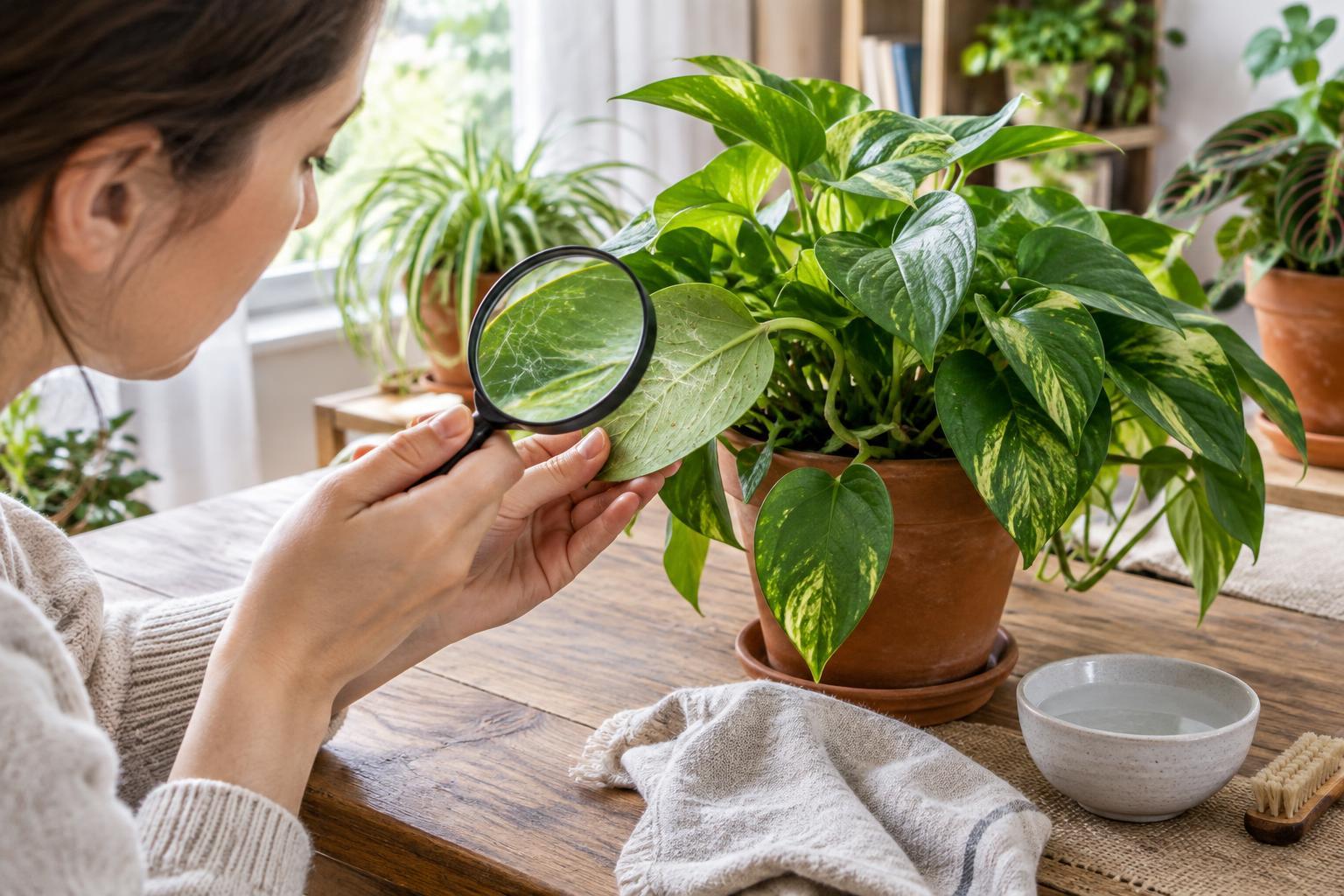
Wilting, drooping, curled leaves, brown edges or unexpected leaf drop can be signs that a plant is uncomfortable. They are not proof of a temperature problem. Too much or too little water, a change in light, or normal aging of older leaves may look similar. Consider what changed recently: Did heating or cooling begin running more often? Was the plant moved to a window? Is it near a door that now stays open?
Look at the whole setup before taking action. Feel the air around the foliage when the heater or air conditioner is running, and check whether leaves rest against the glass. Notice whether the potting mix is dry, evenly moist or persistently wet. If a plant has several possible problems, make one modest change at a time. Moving it out of direct airflow and then observing new growth is more informative than moving, repotting and changing its watering all at once.
Find a steadier place for each pot
The simplest fix is often a small shift in position. Move a pot far enough from a vent that moving air no longer blows directly across its leaves. Leave a gap between foliage and cold window glass, while keeping the plant in a spot that still meets its light needs. A stand or side table can help lift a pot away from a cold floor or from heat collected on a radiator cover. Avoid setting pots where an exterior door repeatedly swings open beside them.
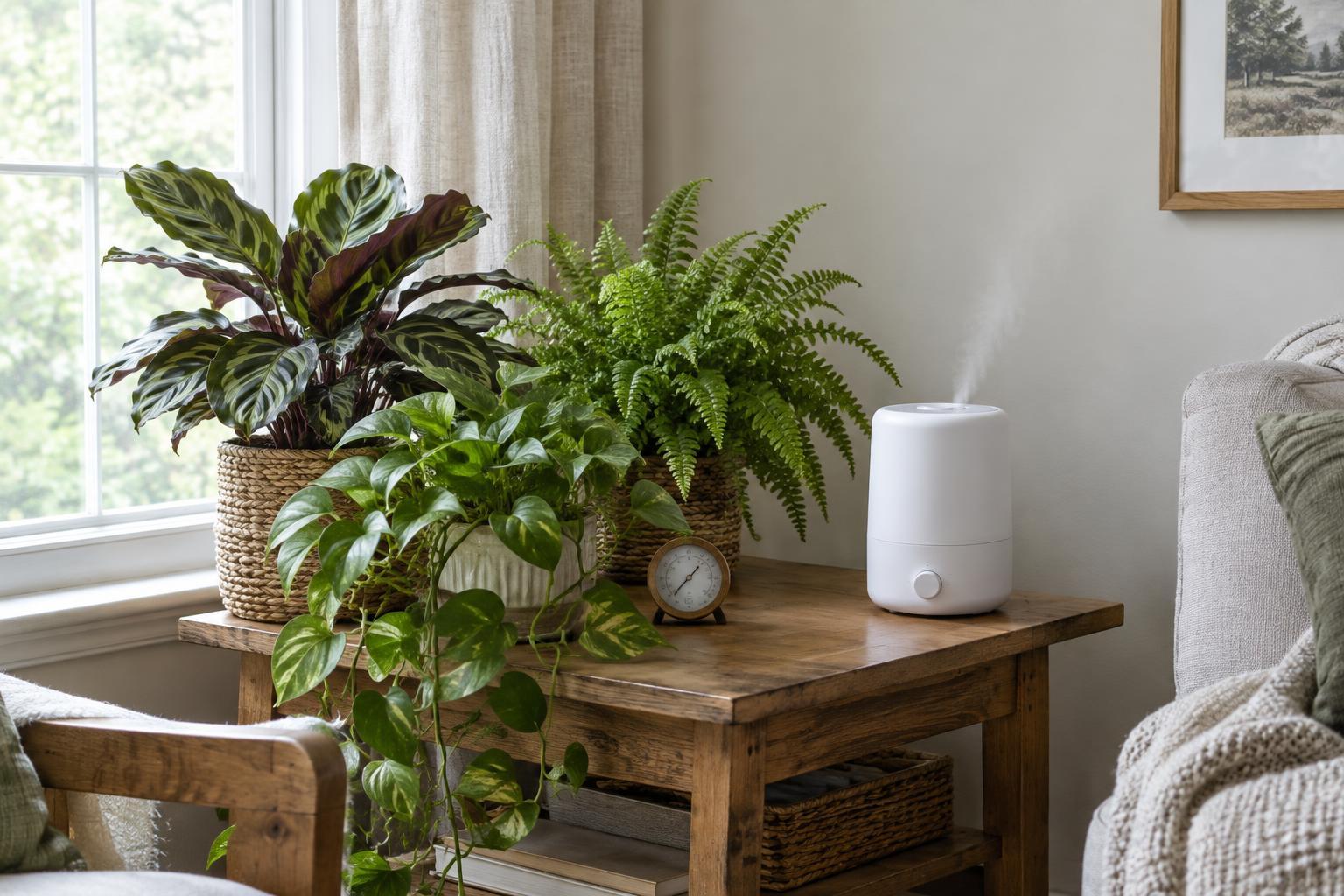
When you relocate a plant, aim for similar light if possible. A bright-window plant may struggle in a dark corner even if the corner is warmer. If you must choose a different exposure, watch how the plant responds and adjust gradually. Grouping pots can make a shelf or table feel sheltered, but leave enough space for air to move around leaves and for you to inspect each plant.
Make a quick seasonal check part of plant care
Rooms change with the seasons and with everyday habits. Low winter sun may reach farther across a sill, while summer sun can heat the same spot intensely. Furniture rearrangements can also place a plant directly beneath a vent. At the start of a heating or cooling season, walk through your home when the system is running and note where air blows, where glass feels cold, and which surfaces become warm.
Then check your plants over the following weeks. A stable location, suitable light and watering guided by the potting mix give you a useful baseline. You do not need to eliminate every temperature fluctuation: the goal is to keep plants out of the most direct blasts of cold or hot air and respond to what each one shows you.