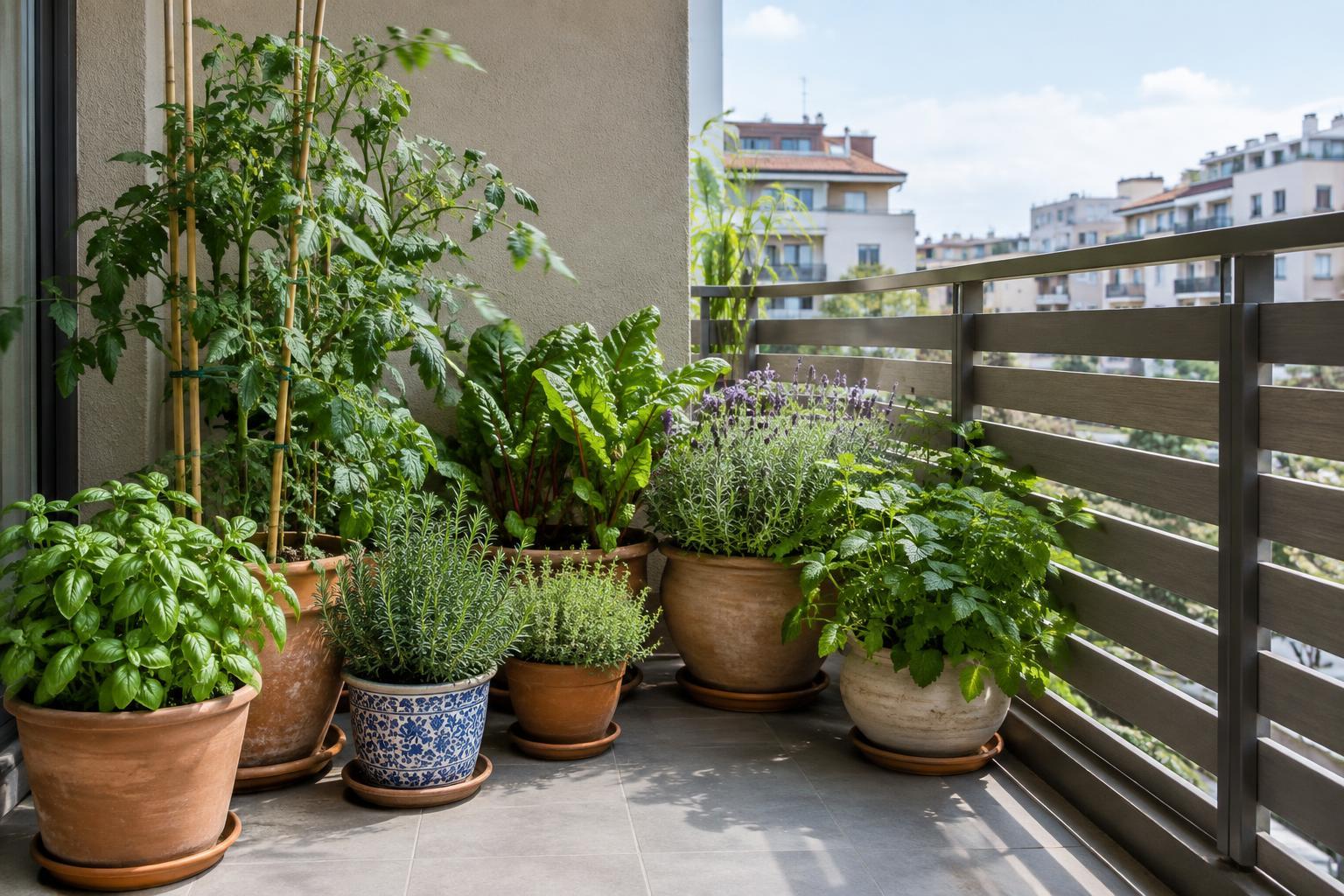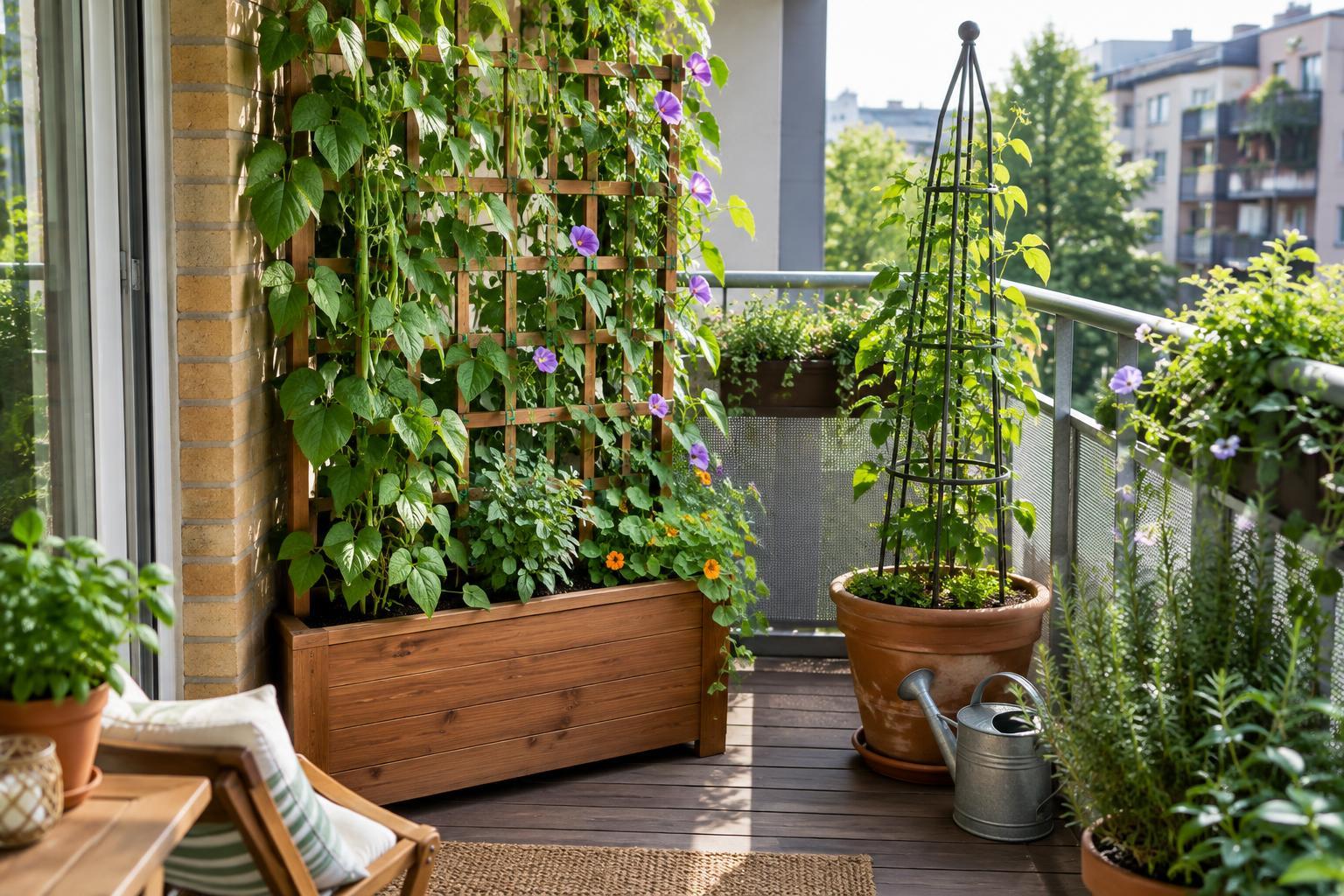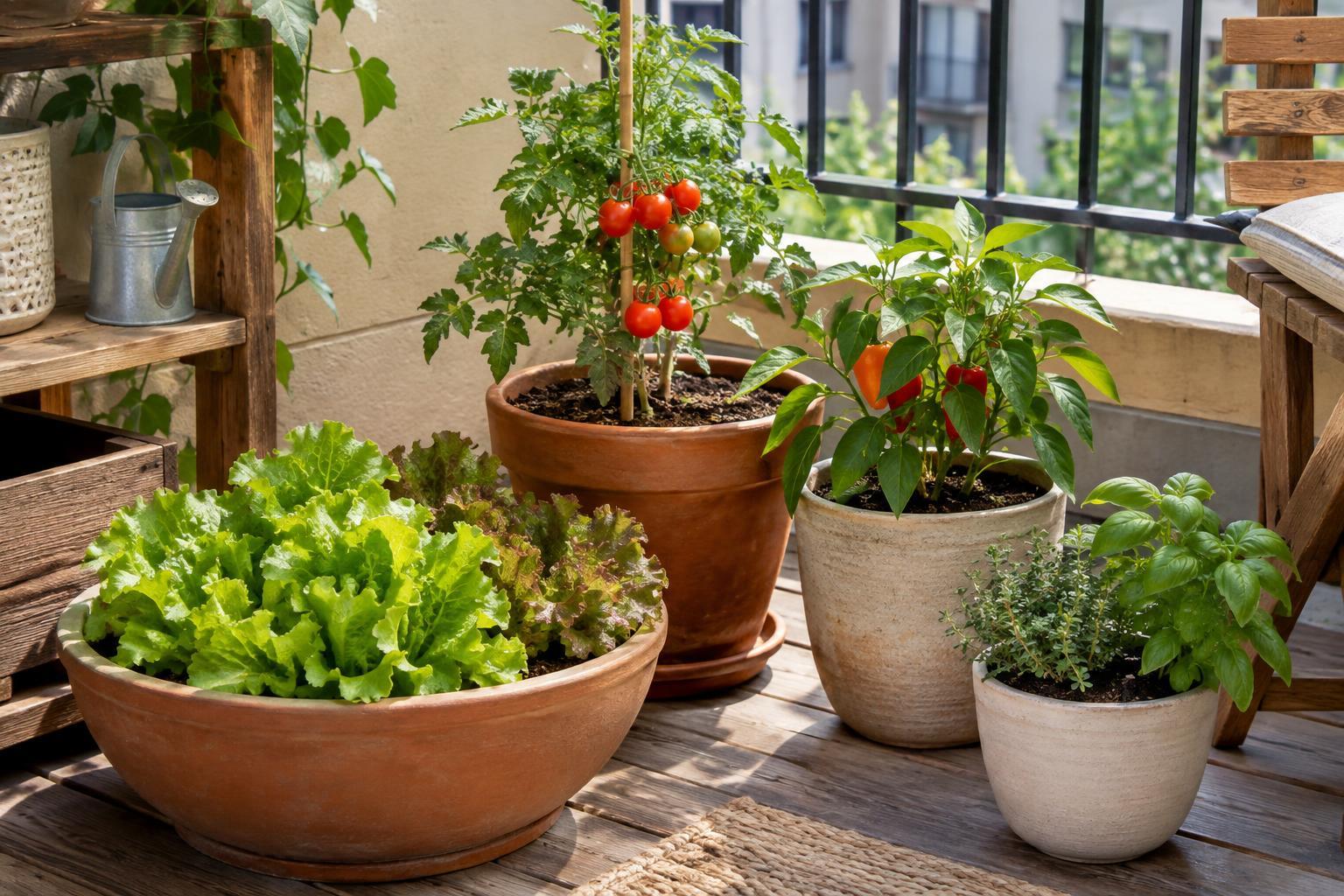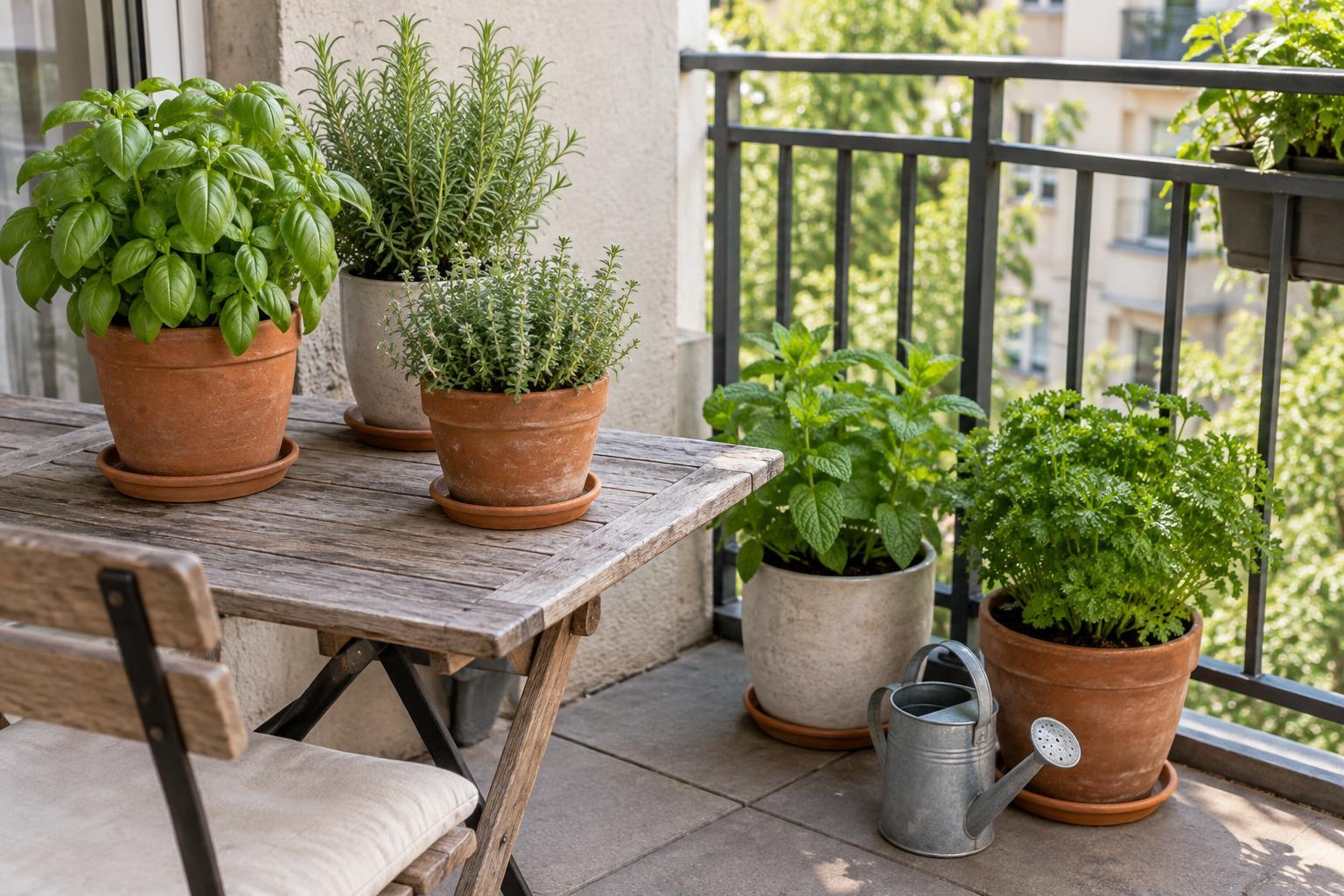
Start with the space you have
A pot of herbs can fit beside a back door, along a balcony rail or on a sunny step. Before buying plants, watch your chosen spot over the course of a day. Many culinary herbs grow best with several hours of direct sun, but a sheltered position matters too: strong wind can dry pots quickly and damage tender leaves. If your space gets limited sun, try parsley, chives or mint rather than starting with a whole collection of sun-loving herbs.
Begin with two or three herbs you already use in the kitchen. Basil is handy for summer dishes, chives can be snipped into salads, and parsley is useful in many meals. Thyme, rosemary and sage are good choices if you like robust flavors and have a bright spot. Check plant labels for local growing guidance, especially if you hope to keep a herb outdoors through winter. Starting small makes it easier to learn how quickly each pot dries.
Choose pots that make watering easier
Every herb pot needs a drainage hole so excess water can escape. Choose a container with enough room for the roots to grow, rather than leaving a small nursery plant in its original pot all season. Larger pots generally dry more slowly than tiny ones. If you place a saucer underneath, empty standing water after rain or watering so the roots are not left sitting in it.
Fill containers with potting mix intended for outdoor pots. Garden soil can become compacted in a container, making it harder to manage moisture. You can plant compatible herbs together in a roomy pot, but separate pots offer more control. Mint is especially worth keeping on its own because it spreads vigorously. It also helps to group plants by watering needs: thyme and rosemary usually prefer to dry somewhat between waterings, while basil and parsley tend to appreciate more consistent moisture.
Plant gently and settle herbs in
Buying young plants is a straightforward way to begin. Water them if their nursery pots feel dry, then ease each plant out without tugging on the stems. If roots are tightly circling the bottom, gently loosen the outermost ones. Set the plant at about the same depth it grew in its original pot, fill around it with potting mix and press lightly to remove large air gaps. Leave a little space below the rim so water can soak in rather than spill over.
Water thoroughly after planting, until water runs from the drainage holes. A newly potted herb may need a few days to adjust, particularly if it has moved from a protected shop or greenhouse to a breezy outdoor space. Give it a sheltered start and introduce it gradually to stronger sun if necessary. If the weather turns unusually cold, check whether tender herbs such as basil need protection or a temporary move indoors.
Use the soil, not the calendar, as your watering guide
Outdoor pots can dry at different rates depending on their size, material, exposure and the weather. Instead of watering on a fixed schedule, feel the potting mix with a finger. If the upper layer is dry, check a little deeper before deciding. Water slowly over the soil until excess drains out, then let the pot drain freely. On hot or windy days, you may need to check more often; after rain, a pot may not need water at all.
Herbs usually do not need heavy feeding. If growth becomes pale or weak despite suitable light and watering, follow the directions for a fertilizer suitable for edible container plants rather than adding extra in the hope of faster growth. Look over leaves while you water. Removing damaged foliage and noticing insects early is easier than dealing with a crowded, neglected pot later.
Harvest a little, often
Once a herb is growing well, regular small harvests can keep it useful and tidy. Snip chives near the base, take a few outer parsley stems at a time, and cut basil just above a pair of leaves so it can produce side shoots. For woody herbs such as rosemary and thyme, trim tender tips rather than cutting far back into old, bare stems. Avoid taking so much at once that the plant has little foliage left to support new growth.
Keep the pots where you can see and reach them from the kitchen. That simple choice makes it easier to notice when they need water and to use the herbs while they are fresh. As seasons change, some plants may slow down, flower or reach the end of their growing period. Treat those changes as part of learning: note which herbs suited your space, refresh the potting mix when you replant, and build your next small collection around what you actually enjoyed cooking with.